The global real estate sector is undergoing one of its most significant transitions in decades. Rising concerns about climate change, regulatory shifts around carbon emissions, and consumer demand for healthier, energy-efficient living spaces are redefining what “home” means in the twenty-first century.

Central to this change is the growing use of sustainable building materials. Unlike traditional construction inputs—often carbon-intensive and resource-heavy—sustainable options such as bamboo, recycled steel, hempcrete, and reclaimed wood are reshaping residential real estate. They promise not only environmental benefits but also long-term cost savings, healthier interiors, and enhanced market value.
The Demand for Sustainable Building Materials
A growing body of data confirms that homebuyers want greener options. According to Dodge Data & Analytics’ World Green Building Trends 2024 SmartMarket Report, nearly 60% of global construction firms report that the majority of their projects now integrate sustainability practices. Within residential real estate, the use of sustainable building materials is especially critical. These materials typically offer lower embodied carbon, improved energy efficiency, and better performance in diverse climates.
Take the Canadian housing market as an example. In Alberta, particularly Calgary, buyers and builders are increasingly turning to innovative sustainable materials for new constructions, such as hempcrete, bamboo, and recycled steel. The region’s cold climate makes energy efficiency a top priority, so materials that enhance insulation and reduce reliance on fossil-fuel heating are now in high demand among eco-conscious homeowners.
Globally, this trend is mirrored across multiple regions. In Japan, cross-laminated timber is being used in multi-story residential complexes; in Germany, passive house construction relies heavily on advanced insulation and airtight natural materials; and in the U.S., recycled and reclaimed products are increasingly factored into both custom homes and mass developments. The common thread is clear: sustainability is not just a preference, but an expectation shaping the market.
How Materials Influence Property Values
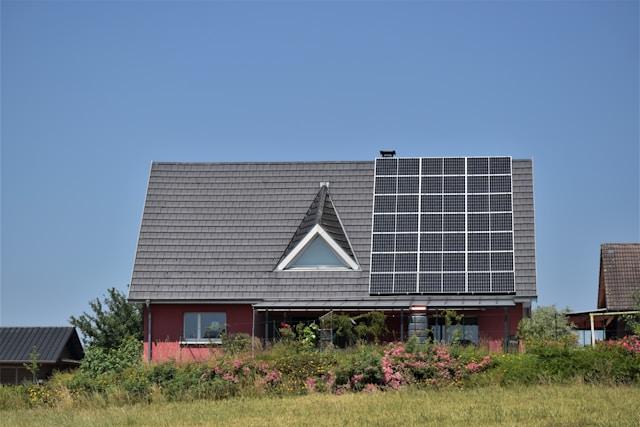
Real estate markets are starting to attach premiums to green-certified and sustainably built homes. A 2023 study by the U.S. National Association of Realtors found that homes with eco-friendly features—whether through Energy Star appliances, solar installations, or low-carbon construction—sell for an average of 2–4% more than comparable conventional properties. In some European cities where energy regulations are particularly strict, that premium can reach 10%.
Sustainable materials play a direct role in this value creation. Recycled steel, for instance, has a durability advantage that reduces long-term maintenance costs. Bamboo, with its rapid renewability, is lighter and stronger than many hardwoods, which means homeowners benefit from both performance and sustainability.
Hempcrete not only insulates effectively but also absorbs carbon dioxide during its curing process, making it a carbon-negative material. This kind of environmental performance is increasingly factored into buyers’ calculations, especially as energy costs rise and governments expand incentives for greener living. This trend is also visible in regional markets, where demand for energy-efficient homes in Calgary continues to grow as buyers prioritize long-term savings and sustainability. As awareness around environmental impact increases, properties designed with efficient materials and systems are becoming more desirable among both homeowners and investors.
For developers and investors, these materials can also reduce regulatory risks. Jurisdictions from California to the European Union are mandating stricter environmental standards in construction, making sustainable materials not just desirable but necessary for compliance and future-proofing assets.

Regional Examples Driving Change
While sustainability is a global movement, its expression varies depending on local resources, climates, and regulatory frameworks.
- North America: In Canada, provinces such as British Columbia and Alberta are actively promoting net-zero ready building codes. Calgary, as discussed in local housing blogs, showcases how sustainable materials are becoming part of everyday construction. In the U.S., California’s Title 24 building code has accelerated adoption of recycled products, high-efficiency insulation, and low-carbon concrete.
- Europe: Countries like Germany and Sweden are leaders in the passive house movement, which emphasizes airtight construction, thick insulation, and natural, low-impact materials. The EU’s “Renovation Wave” initiative, aiming to retrofit millions of homes by 2030, is further driving demand for sustainable materials.
- Asia-Pacific: Australia is seeing increased use of recycled steel and plantation timber, especially as urban developers respond to green building certification schemes like NABERS. In Japan, timber high-rises made from sustainably managed forests are redefining skylines in Tokyo and Osaka.
- Emerging Markets: In regions like sub-Saharan Africa and Southeast Asia, sustainable building materials also address affordability. Bamboo and compressed earth blocks, for example, reduce construction costs while maintaining eco-friendly credentials.
These examples highlight that while the materials may differ, the underlying drive toward greener, healthier homes is consistent worldwide. With our target on: Tampa Bay luxury market report
Barriers to Adoption
Despite clear benefits, challenges remain in mainstreaming sustainable building materials. Cost is often cited as the most significant barrier. While materials such as recycled steel can be competitive with traditional options, others—like hempcrete—are still relatively expensive due to limited supply chains and lack of economies of scale.
Knowledge gaps also persist. Many contractors and developers are more comfortable with conventional materials and methods. This inertia can delay adoption, particularly in markets without strong regulatory pressure.
Finally, building codes themselves can be a hurdle. In some jurisdictions, regulations have not yet caught up with innovative materials, making approval processes longer and more complicated. Overcoming these obstacles will require collaboration between industry, policymakers, and innovators.
The Future of Sustainable Homes
Looking ahead, the role of sustainable materials in residential real estate will only grow. Three trends are particularly noteworthy:
- Integration of Technology: Smart building systems are being combined with sustainable materials to maximize efficiency. For example, homes using hempcrete walls can also integrate smart thermostats and sensors to optimize heating and cooling.
- Circular Economy Principles: Future homes will not only be built with sustainable materials but also designed for disassembly and reuse. This “cradle-to-cradle” approach ensures materials retain value beyond the lifespan of a single property.
- Policy and Incentives: Governments are rolling out stronger incentives for sustainable housing. From tax credits for energy-efficient retrofits to mandatory emissions reporting in construction, these policies will accelerate adoption.
For homeowners and investors, this represents an opportunity: choosing sustainable materials today means aligning with where the housing market is inevitably heading.

Endnote
The transformation of residential real estate is underway, and sustainable building materials are at its core. What was once considered an eco-friendly add-on is now becoming a market expectation, as buyers seek homes that reflect both environmental responsibility and financial prudence. From Sustainable Building Materials for Modern Homes in Calgary to large-scale housing projects in Europe and Asia, the evidence shows that green construction is shaping the future of housing.