Plastic is everywhere, even when you’d least expect it, including wet wipes, tea bags, coffee cups, receipts, and microwavable popcorn bags. Let that sink in for a while: everywhere you go, plastic surrounds you, and as we already know, it’s a material that threatens not just the environment, but also human health.
Due to the integral role it has in modern life, it would be unlikely to imagine a world completely without this material, so the question that remains is whether plastic manufacturing can become more sustainable. We will explore this topic in depth below, so please continue reading if you’re interested in learning more.
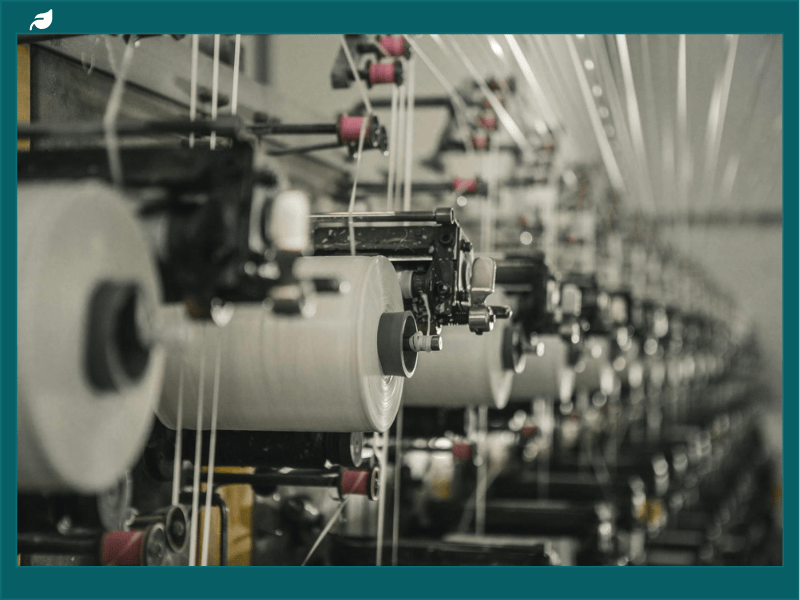
Plastic Manufacturing Effects On The Environment
It’s no secret that plastic manufacturing is a significant contributor to environmental damage: according to the stats, it’s responsible for 3.4% of global greenhouse gas emissions due to high-intensity fuel extraction, production, and refining. In fact, production alone generates about two gigatons of CO2 yearly, which is quite alarming, as it drives biodiversity loss and toxic pollution.
Plastic breaks down into smaller particles known as microplastics, which are less than 5 millimetres in size, and can be found anywhere, including the deep sea, inside animals, and human lungs and blood. These microplastics contain toxic chemicals, which put both human and animal health at risk. The effects are undeniably profound, which is why it’s more important than ever to break the cycle of production, consumption, and disposal that threatens the environment, and that starts with the manufacturing process itself. But is it really achievable?
Changes To Plastic Manufacturing: What Companies Are Doing
Amid intense pressure from regulators, consumers, and environmental concerns, companies in the plastic manufacturing industry are making some notable changes, which include the following:
Developing Bioplastics And Alternative Materials
The plastic manufacturing sector is switching to more sustainable alternatives to make plastics. Instead of fossil fuels, they are relying on substances like sugar cane, corn starch, and vegetable fats and oils, helping create a more sustainable feature. At the moment, it’s still a drop in the ocean, but global bioplastics production capacity is expected to grow considerably by 2029, driven by rising market demand and the development of sophisticated products and applications.
The production sectors seeing the most significant uptake of bioplastics range from packaging ( representing the largest market segment), alongside consumer goods, agricultural products, and the automotive industry. There are unfortunately many challenges that need to be addressed for further adoption of this solution, including the waste management system and the high manufacturing cost of bioplastics, and collaboration between industry partners will be fundamental in overcoming them.
Relying On Greener Technologies And Processes
Manufacturing industries are also focusing on embracing more sustainable processes and technologies with the goal of reducing plastic pollution. For example, there was a time when the injection moulding process, which is necessary in the production of plastic, was associated with non-recyclable waste, but today, it’s undergoing remarkable shifts to meet the demand for sustainable products. In fully optimized processes, just the amount of polymer required to fill the mould is truly utilized; in other words, as little as possible. By collaborating with an injection moulding company that uses sustainable practices and focuses on reducing energy consumption, manufacturing businesses are making sure that large products are produced sustainably, helping to lower their environmental footprint.
Experienced and reliable injection moulding companies are operating on zero-waste policies and provide manufacturers with different options for recycled materials, as well as how to use environmentally responsible plastics. Collaborating with specialists who focus on CSR is one of the most important aspects when it comes to making plastic manufacturing more sustainable. Luckily, it’s easier today to find someone with the same values. For example, on https://www.hsv-tmp.com/, there’s a dedicated section where the experts mention they prioritize the wellbeing of people and the environment, so they operate with it in mind. This level of transparency allows manufacturing businesses to make more aligned decisions and feel more confident in their journeys toward sustainability.
Switching To Biodegradable Plastics
Traditionally, plastics aren’t meant to break down; in fact, the process can take centuries, and lead to pollution all across the world, causing all sorts of problems, as we’ve discussed earlier. However, manufacturers are increasingly switching to biodegradable plastics to develop compostable, greener products across packaging, agriculture, and more, with the aim of decreasing environmental waste. Notably, this solution has the potential to slash toxic pollution by over a third and dramatically decrease global waste by mid-century as long as companies invest in adequate disposal systems. When combined with proper waste management for conventional plastics, it could also decrease global waste accumulation by up to 65%, an impressive figure.
But achieving these benefits isn’t straightforward: the materials need to be properly managed at the end of life through methods like anaerobic digestion and industrial composting ( otherwise, if biodegradable solutions end up in landfills, they could do more harm than good). When making the switch, manufacturing companies need to be responsible and consider a few important things, including working with suppliers to help manage costs and implement durable alternatives.
The Bottom Line
The landscape of plastic manufacturing is changing, with manufacturers embracing different sustainable practices that are a lot better compared to traditional approaches, and reimagine how plastic products are created, conceived, and repurposed. There is indeed visible progress, which is especially more important given the forecasts about the global plastic consumption tripling by 2060.
Bio-based plastics, advanced technologies, and greener processes, as well as embracing biodegradable materials, will continue to make a difference, although challenges remain in terms of infrastructure, cost, and more, and need to be addressed so that the future of plastic manufacturing can become truly sustainable. However, achieving 100% sustainability in the sense of an entirely closed-loop system with zero impact on the planet would require a fundamental transformation. It can feel like a race against time, especially as plastic production is expected to double in the future, but if manufacturing businesses each play their part in making the planet healthier, all of these efforts will matter eventually. It’s a long path ahead, but undeniably, the plastic manufacturing industry can and must change for the better.