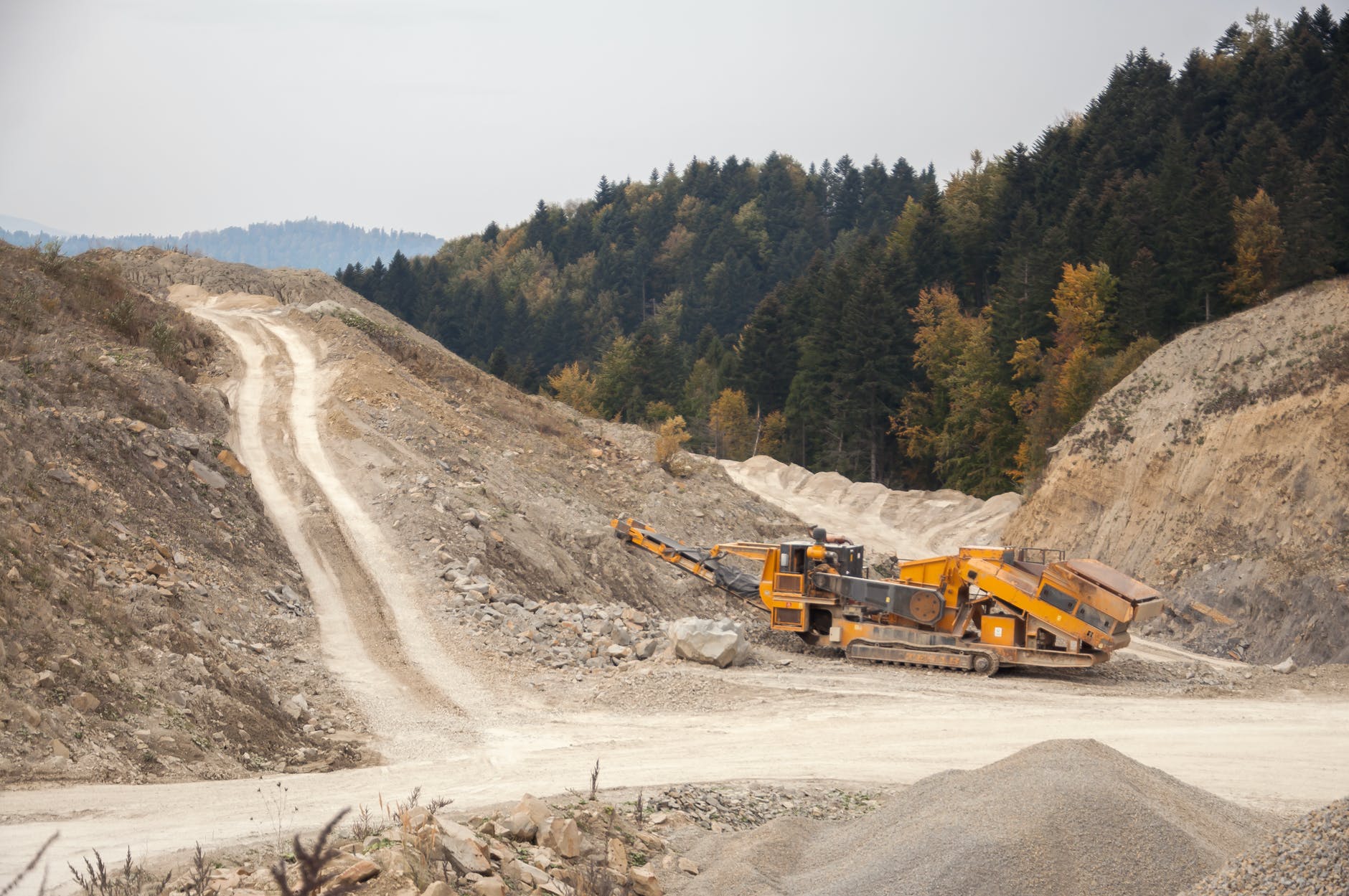
Transitioning from mining to beekeeping presents a unique opportunity to diversify income and support environmental sustainability. As miners encounter challenges such as resource depletion and market volatility, beekeeping provides a stabilizing alternative aligned with ecological stewardship. This approach generates additional income through honey, wax, and other byproducts. Adopting bee-friendly practices helps restore ecosystems and promotes biodiversity, enabling former miners to contribute to environmental improvement. The synergy between mining and beekeeping can yield both financial and ecological benefits.

The Intersection of Mining and Beekeeping
Despite their apparent differences, mining and beekeeping share a synergy that supports sustainable income diversification. As mining communities experience economic fluctuations, beekeeping emerges as a viable alternative, offering both environmental benefits and economic resilience. Post-extraction mining lands can be repurposed into productive sites for hives and gardens, supporting species such as anthophora abrupta and honey bees. These practices enhance biodiversity and create new vocational opportunities for miners. The following section examines the advantages of beekeeping in mining areas and how miners are adopting this transition.
The Benefits of Beekeeping in Mining Communities
Transitioning from mining to beekeeping offers significant benefits for communities previously dependent on resource extraction. Beekeeping provides an eco-friendly approach to land rehabilitation and generates financial returns through honey and other bee products.
As miners adopt this practice, land use shifts from extraction to cultivation, resulting in pollinator-friendly environments. Solitary bees such as anthophora abrupta thrive in these areas, enhancing pollination and increasing agricultural yields. Supporting diverse bee populations transforms former mining lands into centers of biodiversity, revitalizing local ecosystems. Furthermore, beekeeping fosters community cohesion as former miners share knowledge and resources, strengthening their collective economic position.
Beekeeping addresses environmental concerns associated with mining by utilizing land previously considered unproductive. The establishment of hives promotes responsible resource management and reduces ecological impact. Bees contribute to environmental restoration by pollinating plants, which increases flower and crop production and enhances the agricultural potential of these areas. This practice enriches the local environment and provides additional income through the sale of bee products.
For miners, beekeeping represents a sustainable alternative that meets the growing demand for eco-friendly practices and products. Increased awareness of bee habitat preservation further reinforces beekeeping as a strategic shift from traditional mining.
How Miners Are Transitioning to Beekeeping
Miners venturing into beekeeping are finding that their existing skill sets align well with the demands of this new vocaMiners transitioning to beekeeping often find their existing skills well-suited to the requirements of apiary management. The attention to detail developed in mining supports effective hive management, prioritizing hive health and productivity. To support this transition, miners frequently engage with local beekeeping associations for training and resources.
As they gain expertise, former miners become valuable members of local agricultural networks, collaborating with farmers to improve pollination services. This partnership benefits both sectors, enhancing regional food security and economic growth.st market volatility. As miners turn their eye towards these industrious insects, the intersection of beekeeping with traditional practices such as gardening becomes apparent.
These gardens serve dual purposes: they provide forage for bees and support other pollinators, bolstering biodiversity. The adoption of native bee species, such as the adaptable anthophora abrupta, is particularly encouraged due to their effectiveness in pollination and adaptability to varied environments.
The transition from mining to beekeeping represents a significant shift toward sustainability and environmental stewardship. By cultivating new beekeepers, mining communities can reduce economic dependence on resource extraction and minimize ecological impacts. With strategic support and advancements in hive technology, these communities can develop robust networks for sharing knowledge and skills. This progression from miner to beekeeper exemplifies a commitment to sustainable livelihoods, enabling continued community prosperity as mining activities decline.
Miners are making a significant impact by integrating beekeeping into their communities in the following ways:
- Engage in workshops to learn advanced apiculture techniques.
- Foster partnerships with local businesses to promote honey products.
- Implement eco-friendly practices to enhance habitat preservation.
- Organize bee-themed educational events for community engagement.
- Explore international markets for selling niche bee products.
- Utilize digital platforms to share their beekeeping journey.
These initiatives demonstrate that beekeeping sustains livelihoods and strengthens community resilience.
Understanding the Role of Mining Bees
Mining bees, particularly species like anthophora abrupta, play a crucial role in enhancing agricultural productivity and ecosystem stability. These solitary bees, distinct in their nesting behavior, contribute significantly to pollination, supporting both wild flora and cultivated crops. As mining communities consider beekeeping, understanding these natural pollinators becomes pivotal. Mining bees’ gentle nature and efficient pollination make them ideal for areas transitioning from resource extraction to sustainable enterprises. Within this context, their introduction into beekeeping not only aids in ecological restoration but also solidifies economic opportunities within these communities.
The Importance of Mining Bees in Agriculture
The contribution of miner bees like anthophora abrupta to agriculture is often underestimated. These solitary bees have an unwavering work ethic that uniquely benefits crop yields. Unlike social bees that require hives, these solitary bees forage and pollinate independently, making them incredibly resilient pollinators. Because they nest directly in the ground, mining bees can be strategically introduced into areas where agricultural activity is being revitalized. Their native adaptation to local climates makes them particularly efficient in these roles, often outperforming imported pollinator species in certain ecosystems. This introduces a compelling reason for utilizing mining bees to improve agricultural practices.
Mining bees, with their impressive adaptability, demonstrate resilience in varied environments, including those altered by mining activities. Transitioning miners often find the earthy instincts of these bees resonate with their backdrop of extraction industries. Faced with lands needing rehabilitation, these bees’ pollination services prove invaluable. They help rejuvenate flora diversity, vital for sustaining subsequent agricultural ventures and thus ensuring the land’s viability for diversified farming.
Moreover, solitary bees like anthophora abrupta naturally maintain lower parasitic threats due to their solitary nature, leading to healthier pollinator populations. Encouraging them inherently promotes ecological balance by sustaining and increasing crop yield potential. This practice aids in the support of local food systems, reduces dependency on chemical fertilizers, and supports organic agriculture, which has seen rising demand globally. Hence, the use of miner bees creates sustainable agricultural practices that are robust, environmentally friendly, and economically sound. Understanding and leveraging their unique capabilities enriches overall landscape management, creating environments where agriculture and biodiversity coexist beneficially.
Supporting Ecosystems Through Beekeeping
The integration of beekeeping with mining landscapes offers profound benefits for the surrounding ecosystems. Through careful management, beekeepers can facilitate the recovery of mined lands by introducing bee populations that contribute to the re-establishment of native plant species. Solitary bees like anthophora abrupta, although less known than honey bees, play a critical role in these efforts. Their propensity to build nests in amended mining residues can naturally restore soil health and foster a thriving environment for new plant growth. This integration not only supports biodiversity but also strengthens ecological resilience.
Adopting beekeeping practices enables a regenerative approach to land use and promotes balanced natural resource management. Establishing diverse bee habitats on former mining sites supports the regeneration of native flora. Mining bees are particularly important for targeted pollination, which maintains ecosystem dynamics. This creates a feedback loop: increased plant diversity sustains larger bee populations, and these pollinators ensure the persistence of diverse plant species.
These efforts to support ecosystems through beekeeping align seamlessly with global sustainability and conservation initiatives, which emphasize the preservation of pollinators. As habitats become restored, the potential for ecosystem services, such as carbon sequestration, nutrient cycling, and water regulation, increases substantially. This not only benefits the immediate environment but also provides long-term ecosystem services that are crucial for climate resilience. Furthermore, local communities gain eco-friendly economic opportunities through the sale of honey and other bee-related products, reinforcing economic sustainability. Thus, weaving beekeeping into the fabric of mining communities not only restores but transforms these landscapes into thriving biodiverse systems.
To further explore the advantages of beekeeping in ecological restoration, consider the following key outcomes:
- Enhanced biodiversity through the introduction of diverse bee species and plant life.
- Increased soil fertility and restoration via bee nesting behaviors.
- Support for climate resilience through improved ecosystem services like carbon sequestration.
- Economic growth opportunities from bee-related products benefiting local communities.
- Promotion of global sustainability goals by aligning with conservation efforts.
- Strengthened ecological resilience by creating self-sustaining pollination networks.
These outcomes underscore the diverse benefits of integrating beekeeping with ecosystem restoration initiatives.

Economic Opportunities from Ashy Mining
A new frontier of economic possibilities opens up through Ashy mining by integrating beekeeping into former mining areas. This approach extends beyond traditional mining revenue streams, offering additional income opportunities for miners. By cultivating bees, miners can transform the land into a fertile environment that fosters both ecological restoration and financial gain. Ashy mining landscapes are uniquely suited to this integration, providing essential conditions for honey bees and solitary species like anthophora abrupta. This section explores how creating diverse revenue streams beyond traditional mining can offer sustainable economic opportunities for mining communities.
Creating Revenue Streams Beyond Traditional Mining
As traditional mining struggles with economic uncertainties and environmental challenges, miners are increasingly looking at alternative revenue streams to secure their livelihoods. One such promising opportunity lies in the unlikely fusion of mining and beekeeping. By transforming the barren or underutilized lands left by mining operations into thriving ecosystems for bees, miners can tap into both ecological and economic benefits. Beekeeping is not only a source of extra income through the production and sale of honey, wax, and other bee-related products, but it also represents a sustainable practice that aligns with global environmental goals. With the market for organic and local honey steadily increasing, beekeeping ventures can capture a portion of this growing demand, thereby creating steady revenue streams for miners.
Moreover, establishing bee hives on reclaimed mining lands encourages the diversification of local agriculture, which can further contribute to miners’ income. Bees play a pivotal role in the pollination of various crops, enhancing agricultural yields and improving food security within the community. Essentially, incorporating beekeeping allows mining communities to pivot from sole reliance on mineral extraction to a more varied and robust economic model that includes agricultural activities. These diversified practices are not only economically beneficial but help build resilience against market volatility inherent in the mining sector.
The pivot from purely mining-centric operations to incorporating beekeeping requires a shift in skills and community mindset. Thankfully, the tools and techniques miners are familiar with , such as meticulous attention to detail and strong problem-solving abilities , are readily transferable to effective beekeeping. As miners gain proficiency in managing hives and ecosystems, they may also seek to cooperate with local agribusinesses or beekeeping associations. These partnerships can provide the necessary support, training, and resources to maximize productivity and economic gains, ultimately creating a sustainable livelihood model that benefits entire communities and the surrounding environment.
Tawny Mining and Its Environmental Impact on Wildlife
Tawny mining, a common method of iron ore extraction, has been widely criticized for its negative environmental effects, especially on local wildlife. Land clearance destroys habitats for numerous species, including bees, and disrupts the landscape, leading to reduced biodiversity. For miners considering beekeeping, recognizing the extent of this impact highlights the importance of thoughtful site rehabilitation.
The environmental impact of tawny mining isn’t limited to terrestrial wildlife. Water systems also suffer due to runoff containing sediments and chemicals, which disrupt aquatic life. When miners consider the integration of beekeeping, they are faced with the challenge of rectifying these ecological imbalances. Bees play a pivotal role in this rehabilitation process. Their pollination activities can revitalize plant growth, contributing not only to wildlife recovery but also to crop production in surrounding gardens, thus restoring the natural balance in these altered ecosystems.
As miners shift their focus towards sustainable practices, the introduction of bees into mining landscapes becomes a central strategy in mitigating the negative effects of tawny mining. Bees, particularly mining bees like anthophora abrupta, have the potential to improve biodiversity by supporting pollination processes in regenerated plant life. By establishing bee-friendly environments, former miners can facilitate the regrowth of native flora, providing critical habitats for various wildlife, thus ensuring a more stable and resilient ecosystem.
Addressing the environmental impact of tawny mining on wildlife requires a comprehensive approach, with the creation of gardens playing a transformative role. Gardens supported by bee populations provide habitats for wildlife and facilitate the return of species dependent on specific plants. This approach offsets ecological damage and promotes community engagement in conservation and sustainable living. By collaborating with environmental experts, miners can establish new ecological standards, ensuring a legacy of environmental stewardship.
Transitioning from the extractive demands of mining to the life-sustaining role of beekeeping offers miners a unique opportunity to diversify their income while contributing positively to environmental restoration. This change not only fosters economic resilience but also plays a crucial part in promoting biodiversity, essential for healthy ecosystems.
Supporting sustainable practices, such as beekeeping, encourages communities to thrive ecologically and economically. By nurturing this symbiotic relationship, former miners can embark on a rewarding venture that underpins sustainable development and community enrichment, showcasing how shifts in industry can synergize with environmental stewardship.