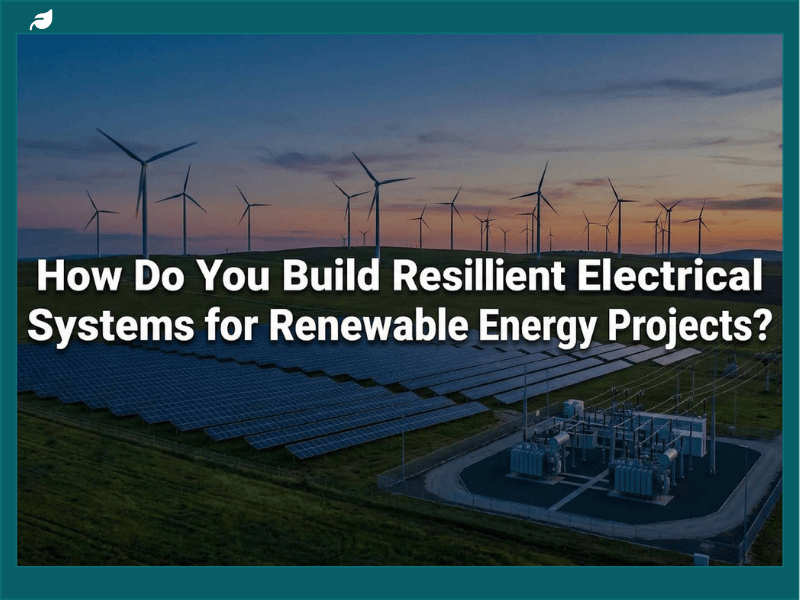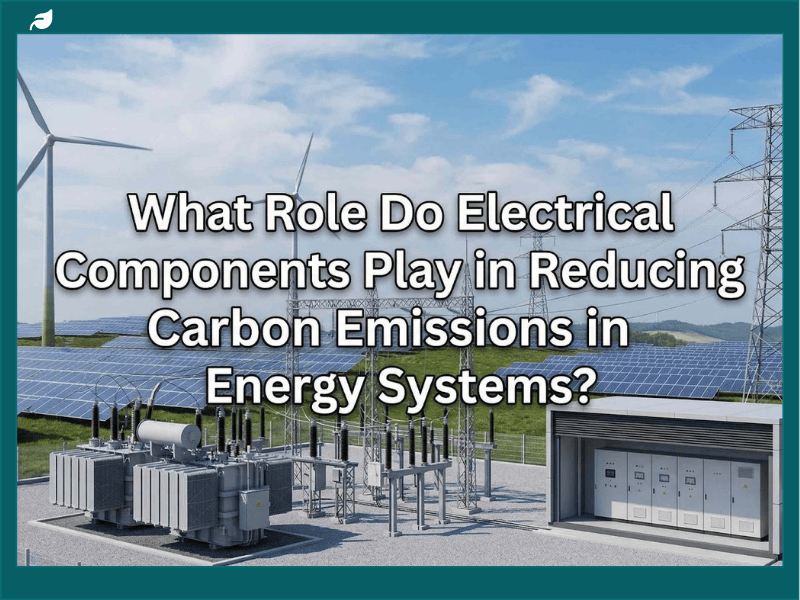
During the discussion of carbon emissions reduction, we tend to land directly on solar panels, wind turbines or electric vehicles. Those are the headline acts. However, behind any clean energy system, is a quieter tale that is unfolding, that of the wires, connectors, switches and circuits that ensure its operation.
The unsung heroes of the green energy transition are electrical components and learning how they work makes it easier to understand why the transition off of fossil fuels is a hardware challenge and an engineering opportunity.
The Grid Doesn’t Run on Good Intentions
A good example is as simple as clean energy: to be useful, it must be able to be captured, converted, and delivered. When power is produced in the Mojave Desert in a solar farm, it cannot serve Chicago unless that electricity can be sent to it efficiently, reaching thousands of miles of infrastructure without losing most of the power on the way.
It is at this point that electrical components come into play. Capacitors, power semiconductors, and high-efficiency transformers minimize so called line losses, the energy that just goes down the drain as heat when passing through the line.
- Preexisting grid infrastructure may squander up to 8-15% of generated electricity before it can get to a home or business.
- The direct effect of upgrading those components is that you have less generation capacity required.
- Less generation capacity means you need less number of fossil fuel plants running as back-up.
It is a wave effect that begins small and grows immeasurably.
Energy is Smart with Smart Components
The new energy systems are no longer simply about moving electricity between point A and point B. They are about dealing with variable sources, such as the fact that the sun goes down behind clouds at one time, or the fact that the wind blows strongest at 2 a.m. when no one is home, and balancing that with instantaneous demand.
It is the intelligent electrical elements that make this balancing act possible. High-tech circuit breakers, solid-state relays and programmable logic controllers permit grids to:
- Redirect power as needed.
- Isolate faults before they propagate.
- Incorporate battery storage facilities without the entire network breaking down.
Consider them the nervous system of a smart grid sensing constantly, adjusting and responding. Commercial buildings have energy management systems that operate in the same way. Football sensors and automated switches allow buildings to receive power only to the point where electricity is cleanest and most inexpensive, avoiding the use of carbon-intensive peak power.
Manufacturing Quality Matters More Than You’d Think
This is one of the things that can be easily forgotten: the carbon narrative is not starting with the first turn of a wind turbine. Its origin is in the factory where its electrical parts are manufactured.
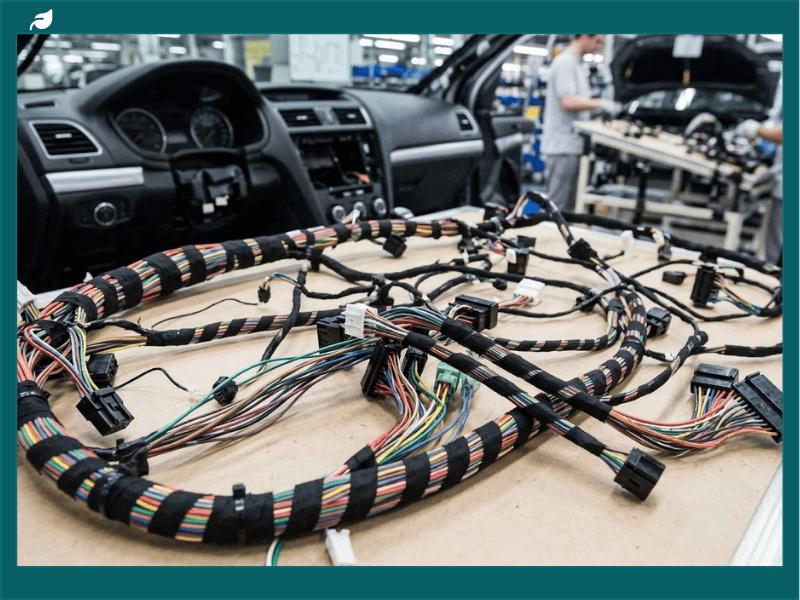
The quality and accuracy of wiring assemblies,for example, directly affects how long a system operates without failure. A connector that is crimped poorly or insulation material of poor quality may result in:
- Energy wastage.
- Overheating.
- Early failure (leading to maintenance expenses and replacement manufacture).
This is why sourcing matters. Other countries boasting robust electronics manufacturing ecosystems have gone to the extremes of making components with close tolerances. The rise of wiring harness Thailand manufacturing, For instance, reflects regional specialization in wiring harnesses for vehicles and industries used in electric and hybrid platforms – units that are built from scratch with the ability to deliver low-loss, long-life kind of high performance in harsh environments.
The Role of Precision in Electrification
One of the most direct path to carbon reduction is electrification, i.e. substituting a combustion-based system with an electric system. However, to electrify a factory, a building, or fleet of vehicles takes far more than replacing fuel with electricity. It requires a redesigning of the whole electrical architecture.
The wiring harness in electric vehicles can measure tens of kilometers of wires, linking and connecting batteries, motors, sensors, and control systems in a manner that reduces resistance and heat. EV Harness design has emerged as an engineering discipline, as manufacturers are planning the placement of every millimeter of conductor and every connection point.
Areas that have strong knowledge in this regard are emerging as key points in supply chains across the world. The production of wire harness south korea, in particular, has increased substantially with the automakers (both domestic and overseas) in Korea accelerating towards electrification goals, – using decades of manufacturing experience in electronics to produce parts that are more efficient to the highest possible standards.
Small Parts, Big Emissions Impact
A relay or a busbar can be easily underestimated. They do not appear to be climate solutions. However, just think about the outcome should you scale them up to millions of buildings, cars, and industrial machines.
- In motor drives: The energy savings of better capacitors are 10-30 percent in industry.
- Semiconductors: Silicon carbide enables power converters to work at higher frequencies and temperatures with reduced energy loss, charging EVs faster.
- Insulation: Improved insulation allows for thinner, lighter conductors that dissipate less energy and require fewer raw materials.
Every upgrade is small on its own. Taken altogether, they can reduce billions of tons of CO2 in the next several decades.
Conclusion
The energy transition is usually presented as a narrative of generation developing a sufficient amount of wind, solar, and storage capacity to displace fossil fuels. It doesn’t imply that framing is incorrect, just incomplete. The quality of the electrical components that bind all the pieces depends on efficiency, reliability and system intelligence.
These components, whether in the form of smart grid controllers or highly precision engineered wiring assemblies, are the building blocks of a lower carbon future. They never make headlines but they do the job. And with increasing acceleration in electrification rates in transportation, industry, and buildings, the requirements of improved, smarter, more durable, electrical components will become only greater, making this one of the most significant engineering frontiers of our era.