Calls grow for levy on pots as landfill waste mounts
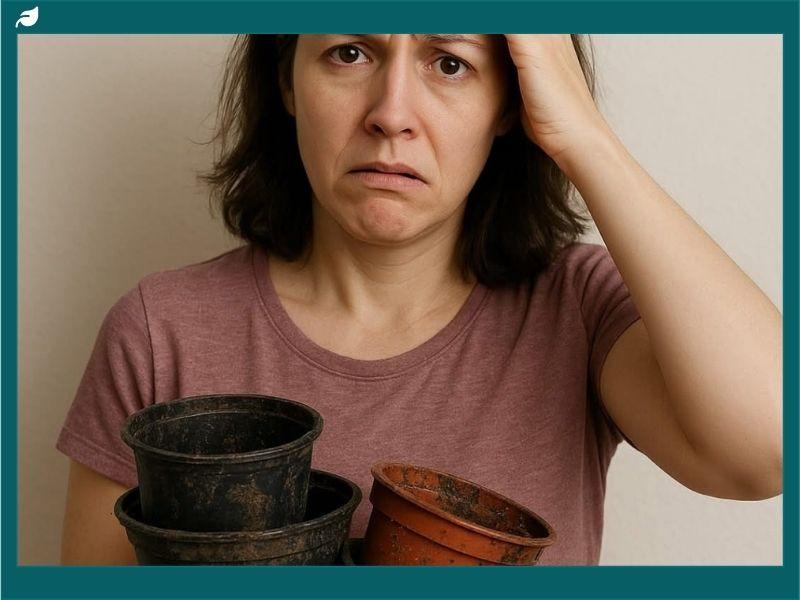
Plastic bag use in the UK has plummeted by 98 percent since the introduction of the bag tax in 2014. Yet despite that success, a new problem is emerging in gardens and allotments across the country: plastic plant pots. More than 500 million of them end up in landfill each year, where they can take centuries to decompose.
A recent study revealed that over 92 percent of local authorities do not accept plastic pots in kerbside recycling, and most have no plans to introduce collection schemes. Campaigners argue that unless urgent action is taken, plant pots could represent the next major front in the fight against plastic waste.
A growing call for a plastic pot tax
The Natural Gardener, the UK’s largest importer of eco-friendly coir pots, is urging the government to consider a levy on plastic plant pots similar to the carrier bag charge. According to official data, the plastic bag tax reduced average per-person use from 140 bags in 2014 to just three per year in 2024. Advocates believe that a similar intervention could help drive behavioural change in gardening, where convenience has long outweighed sustainability.
Co-founder of The Natural Gardener, Joe Collison, said:
“For too long, plastic plant pots have flown under the radar in the fight against plastic waste. We introduced our coir pots back in 2008 to both offer support to rural women in Sri Lanka, and combat the growing plastic pollution crisis ironically significantly caused by the most natural of all hobbies – gardening.
Since then, billions of plastic pots have gone to landfill but we’re proud to offer real, natural solution for such contamination. It’s been a long fight but every pot we sell brings us one step closer to a plastic-free future and we won’t stop pushing until sustainable gardening is the norm, not the exception.”
Coir pots: a natural alternative
Made from coconut husk, a renewable by-product of the coconut industry, coir pots decompose naturally in the soil and even enrich it as they break down. This makes them both a zero-waste option and a practical alternative to plastic. Unlike biodegradable plastics, which often require industrial facilities to break down, coir pots can be left in the ground with no adverse impact.
The Natural Gardener has been importing coir pots for over 15 years and says the demand for sustainable gardening products is growing. Still, without regulatory pressure, campaigners argue that plastic pots will continue to dominate garden centres, keeping recycling challenges and landfill growth firmly in place.
Gardeners caught in a policy gap
While national policies have targeted single-use items such as plastic bags, cutlery and straws, plant pots have yet to attract similar regulatory scrutiny. This is despite their scale of use and low recycling rates. Many pots are made from black plastic, which is difficult for recycling facilities to sort, while mixed polymers complicate the process further.
Environmental groups have pointed out that garden waste streams are one of the largest sources of residual plastics that escape regulation. Some local authorities offer drop-off schemes, but access is patchy and inconsistent.
Petitioning for change
Alongside offering coir alternatives, The Natural Gardener is promoting a public petition calling for a plastic pot tax. The group hopes the campaign will mirror the success of the plastic bag levy in shifting both consumer habits and industry standards.
With gardening enjoying renewed popularity since the pandemic, the stakes are high. If consumer and political momentum gather pace, plastic pots may soon join the list of items facing fiscal pressure in the UK’s broader plastic reduction strategy.
The petition can be found at petition.parliament.uk/petitions/732791.