ENFINIUM AND ENGIE PARTNER ON THREE-YEAR RENEWABLE POWER DEAL
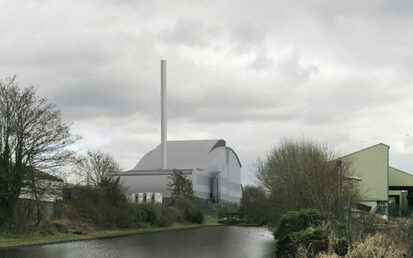
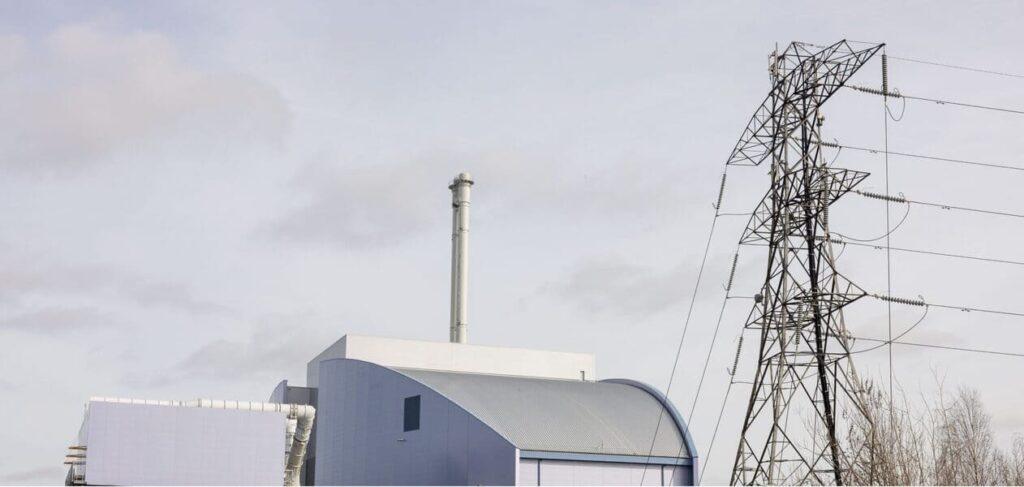
In a move underscoring both energy security and circular economy ambitions, UK energy-from-waste operator enfinium has signed a three-year power purchase agreement (PPA) with ENGIE to supply around 390 GWh of electricity annually from its soon-to-open Skelton Grange facility in Leeds.
Starting in 2025, this homegrown power will serve the equivalent of 140,000 British households, delivering a notable contribution to the UK’s renewable energy portfolio while diverting significant waste from landfill.
Scaling Energy Security Through Waste
“This agreement highlights the benefits of using society’s unrecyclable waste to generate reliable, homegrown energy to power British homes and businesses,” said Wayne Robertson, Chief Commercial & Strategy Officer of enfinium. “We are delighted our new state-of-the-art Skelton Grange facility will be contributing to energy security and economic growth when it becomes operational later this year.”
According to enfinium, the facility will divert up to 410,000 tonnes of unrecyclable waste per year from emissions-intensive landfill sites. That waste, otherwise destined for disposal, will instead fuel electricity generation for both residential and industrial customers supplied by ENGIE.
Graham Oxley, Chief Commercial Officer at ENGIE Supply UK, emphasized the broader implications. “Securing reliable power from sustainable sources for our customers is core to what we do. We’re pleased to partner with enfinium, enabling us to deliver stable and reliable energy whilst reducing unrecyclable waste being sent to landfill.”
A Regional Decarbonisation Effort
Skelton Grange sits within West Yorkshire, an area historically reliant on traditional waste disposal methods. Its operation is poised to play a key role in regional decarbonisation strategies, aligning with both national and local waste management targets.
Of particular significance is its integration with the Aire Valley Heat and Power Network. The project, which has secured £19.5 million from the UK Government’s Green Heat Network Fund, aims to harness waste heat from the facility. This captured heat will provide sustainable heating for surrounding developments, offering a dual benefit of reduced carbon emissions and enhanced energy efficiency.
This district heating initiative mirrors similar schemes gaining traction across the UK and Europe. According to the Association for Decentralised Energy, heat networks could supply up to 20% of UK heat demand by 2050, supporting long-term net zero goals.
Investment and Economic Impact
The development of the Skelton Grange plant has already delivered substantial economic benefits to the Leeds area. With over £500 million invested, the construction phase has created more than 400 jobs. Once operational, the facility is expected to support over 40 full-time roles, offering high-quality employment in engineering, operations, and facility management.
These figures reflect a broader trend within the UK’s waste-to-energy sector. A 2024 report by the Renewable Energy Association (REA) indicated that energy-from-waste projects contribute approximately £2 billion annually to the UK economy, while supporting thousands of jobs in both construction and operation.
First-of-its-Kind Agreement for enfinium and ENGIE
This marks the first PPA between enfinium and ENGIE, although both companies have established themselves as significant players in their respective fields.
enfinium operates multiple energy-from-waste facilities across the UK, focusing on generating baseload power from otherwise non-recyclable materials. ENGIE, headquartered in France, is globally recognized for managing renewable power purchase agreements and providing energy services aligned with sustainability goals.
By aligning their operations, the two companies are tapping into the UK’s evolving energy landscape. The country’s energy-from-waste capacity has been expanding steadily, bolstered by a combination of landfill tax policies, renewable incentives, and corporate net-zero commitments.
Positioning Energy-from-Waste in the UK’s Green Strategy
While solar and wind dominate headlines in renewable energy, energy-from-waste occupies a complementary role. According to the Department for Energy Security and Net Zero, waste-derived energy accounted for approximately 4% of the UK’s electricity generation in 2023.
Critics often highlight the environmental trade-offs of incineration, particularly around emissions and resource efficiency. However, supporters argue that when recycling is no longer viable, converting waste to energy is a pragmatic alternative to landfill, especially when paired with modern emissions controls and heat recovery systems.
Skelton Grange exemplifies this approach. Its development suggests an effort not only to supply power but also to address wider societal challenges including landfill reduction, decarbonisation, and local economic development.
A Broader Trend in Corporate Energy Agreements
This PPA reflects a growing market trend where large-scale renewable projects partner with corporations or utilities through direct supply agreements. The UK’s renewable PPA market has seen steady growth, driven by corporate sustainability targets and rising demand for traceable green power sources.
By securing this three-year agreement, enfinium and ENGIE are demonstrating a model where local waste streams can be harnessed to meet national energy needs, balancing environmental stewardship with energy security. As the Skelton Grange facility prepares for full operation in summer 2025, it stands as a tangible example of the circular economy at scale – turning waste into a reliable power source while contributing to both local prosperity and national sustainability targets.