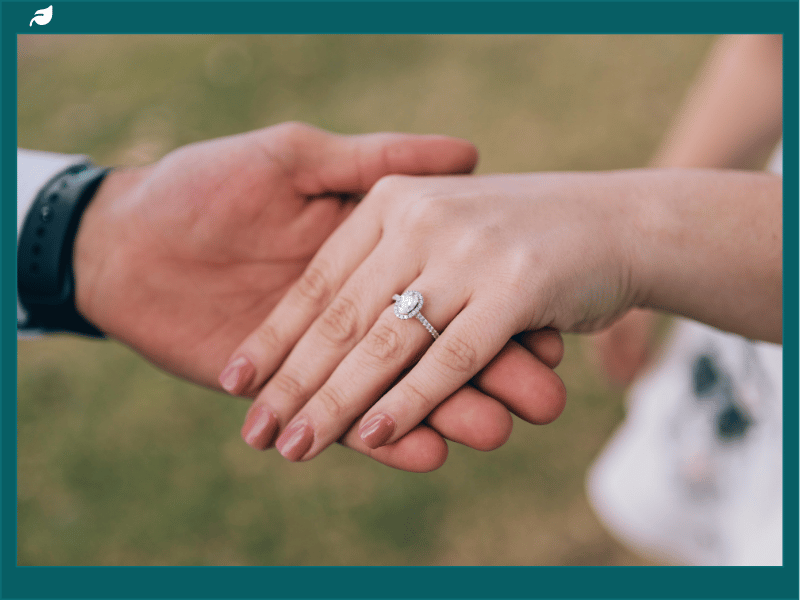
Choosing an engagement ring can feel like a high-stakes puzzle: one small object expected to carry enormous meaning while lasting for decades. Beyond style and symbolism, many couples today are also considering the environmental and social impact of their purchase. A ring designed to be worn for a lifetime is, in many ways, a long-term investment, making sustainability an increasingly important part of the decision-making process.
Before you look at a single stone, picture the person who will wear the ring every day. Do they favour clean minimalism or vintage detail? Bold colour or quiet neutrals? Silver-toned or warm gold? A ring should feel like an extension of how they already dress rather than a trend that may quickly feel outdated. Choosing a timeless design that genuinely reflects personal taste encourages long-term wear, reducing the likelihood of replacement and supporting a more sustainable approach to jewellery consumption. This is one reason many couples now gravitate toward unique gemstone rings, which offer greater individuality and help create pieces with lasting personal value.
An emerald-cut aquamarine ring in sterling silver.
The choice of stone can also have meaningful environmental and social implications. Traditional diamond mining can involve significant land disturbance, energy consumption, and resource use. For buyers seeking a lower-impact alternative, coloured gemstones from transparent suppliers and modern laboratory-created stones have become increasingly popular. If you love the classic diamond look, lab grown diamond engagement rings are chemically identical to mined stones while typically requiring less land disruption and offering greater value for money. Many manufacturers also provide traceability information that helps consumers make more informed purchasing decisions. Whatever stone you choose, durability remains essential for a ring intended for everyday wear.
The metal used in a ring deserves equal attention. Recycled precious metals, including recycled gold and sterling silver, help reduce demand for newly mined materials and can significantly lower the environmental footprint associated with extraction. Many independent jewellers now offer rings crafted from recycled metals without compromising quality or appearance. Asking where a metal comes from and whether recycled options are available is a simple but meaningful way to support more responsible production practices.
Budget matters too, and sustainability often aligns surprisingly well with financial responsibility. The old rule about spending a fixed number of months’ salary was created by marketers, not financial advisers. Setting a realistic budget helps avoid unnecessary consumption and encourages buyers to focus on quality, craftsmanship, and longevity rather than size alone. A thoughtfully designed ring that remains meaningful for decades represents far greater value than an expensive purchase driven by short-term expectations.
Even the perfect ring fails if it does not fit. Measure carefully using a ring that already fits, or a strip of paper wrapped snugly around the base of the finger, and measure at the end of the day when fingers are largest. If the proposal is a surprise, borrow a ring they already wear and trace its inner diameter. Accurate sizing is more than a convenience; it can also help reduce the need for resizing, remanufacturing, and additional material use later.
Finally, consider where the ring comes from. Responsible jewellery brands are increasingly transparent about sourcing, production methods, labour practices, and material traceability. These factors align with the broader social and governance aspects of sustainability, ensuring that products are not only environmentally conscious but also ethically produced. Independent makers often pass more of your budget into the actual ring rather than showroom overhead, while providing clearer information about materials and manufacturing processes. Look for transparent sourcing policies, fair returns and resizing options, and genuine recent customer reviews.
Give yourself permission to sit with a shortlist rather than buying the first ring that catches your eye. Revisit your favourites after a day or two and pay attention to which design continues to feel right. If possible, view rings in natural daylight, which reveals a stone’s true colour and character more accurately than showroom lighting. Ask practical questions about durability, maintenance, sourcing, and repair options. Jewellery designed to be maintained, resized, repaired, and worn for generations supports a more circular approach to ownership than pieces intended to be replaced.
When these considerations come together, choosing an engagement ring becomes about more than appearance alone. Select a style that suits the wearer, a stone you understand, a budget you are comfortable with, a size measured carefully, and a maker who is transparent about materials and practices. By considering both personal meaning and long-term environmental and social impact, you can choose a ring that feels just as responsible as it does beautiful—one that remains treasured long after the proposal is over.