Making Your Business More Sustainable: The Tech Approach

In today’s interconnected world, businesses cannot turn a blind eye to sustainability. It’s no longer a ‘nice-to-have’ but a ‘must-have’, both from an environmental and a commercial standpoint. More and more, customers favour companies that display a genuine commitment to sustainability. But how do we put sustainability into action? One particularly effective avenue is by harnessing technology. Here’s how you can make your business greener through tech.
Digital Transformation
The first port of call is moving away from traditional paper-based processes and embracing the digital realm. From emailing digital invoices to maintaining online databases, moving your operations online can drastically reduce your paper usage. This isn’t just great for the environment but also enhances efficiency within your operations.
If you haven’t got a web presence, it is about time you got started. You can actually tap into new markets online to increase your business’s bottom line. It can also make the buying and selling process more sustainable on both ends too, as well as help you to cut costs. Having a website is really the bare minimum for businesses today. It’s crucial to partner with web design experts to help launch the most ideal website for your business.
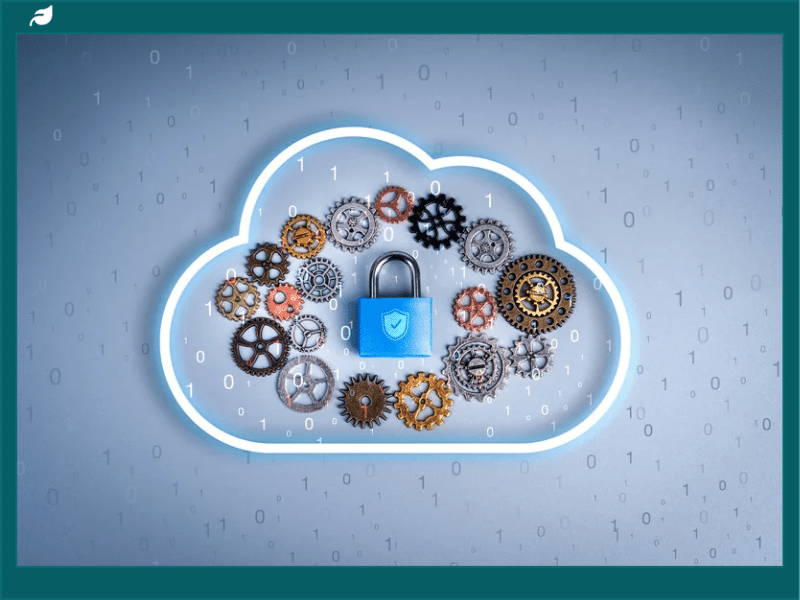
Furthermore, cloud-based storage solutions can cut down the need for energy-consuming, physical servers. Online collaboration tools such as Microsoft Teams or Slack can even make remote work a practical possibility, thereby reducing carbon emissions associated with commuting.
Harnessing the Internet of Things (IoT)
The Internet of Things, or IoT, refers to the network of everyday objects connected to the Internet, communicating and sharing data. By embracing IoT, businesses can significantly enhance their resource efficiency. For instance, smart meters and thermostats can optimise energy use in office buildings, while IoT-enabled machinery in manufacturing can minimise waste by enhancing precision.
Investing in Energy-Efficient Equipment
Consider upgrading to energy-efficient office equipment. Energy Star-rated computers, printers, and other office gadgets consume less power, reducing your carbon footprint. Moreover, energy-efficient servers or cloud services can make your IT infrastructure more sustainable.
Leveraging Route Optimisation Software
If your business involves deliveries or transportation, route optimisation software can make a world of difference. These smart tools can plan the most efficient delivery routes, thereby reducing fuel consumption and carbon emissions. Real-time GPS tracking can adjust these routes dynamically, accounting for traffic congestion and other factors, further enhancing efficiency.
Promoting Virtual Meetings
Business travel, especially by air, is a major source of carbon emissions. With the rise of digital communication tools, the need for in-person meetings has significantly reduced. Platforms such as Zoom or Google Meet allow for virtual meetings that cut down on travel-related emissions. Not only are these environmentally friendly, but they also save time and increase productivity.
In The End
In a nutshell, technology can be an incredibly powerful ally in your sustainability journey. While the transition may require an initial investment, the long-term benefits, in terms of environmental impact, operational efficiency, and brand reputation, are substantial. By leveraging technology for sustainability, you’re not only contributing to the fight against climate change but also enhancing your brand’s appeal to the increasingly eco-conscious consumer. The path to sustainability may have its challenges, but remember, it is not just about doing good; it’s also good business. The key is to start now because when it comes to sustainability, every little helps!