The value of farmland in England and Wales has demonstrated remarkable resilience amidst a year of significant challenges for the agricultural industry. According to the latest Knight Frank Farmland Index, the average value of agricultural land inched up by 0.1% in 2024, ending the year at £9,164 per acre, up from £9,152 at the start.
Despite concerns following changes to Inheritance Tax announced in the Autumn Budget, demand for farmland remains robust, driven by a broad spectrum of motivations extending far beyond taxation.
Challenges and Resilience in 2024
The past year has been anything but smooth for farmers and landowners, with weather-related disruptions, delayed grant schemes, and reductions in the Basic Payment Scheme (BPS) creating uncertainty. Yet farmland continues to be viewed as a secure, low-risk asset.
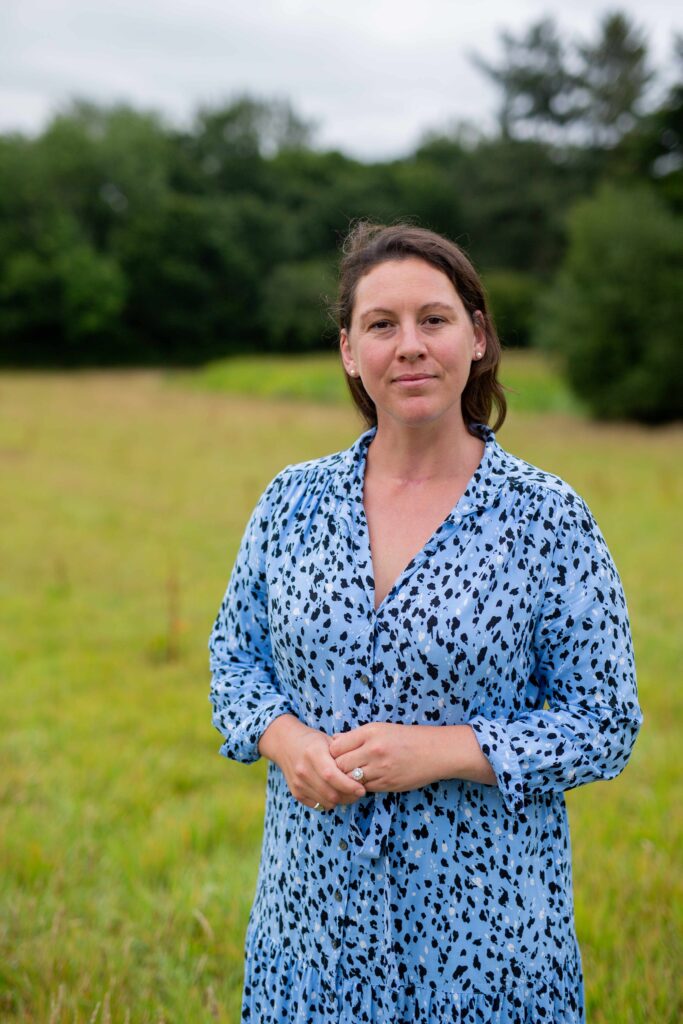
Alice Keith of Knight Frank’s Farms & Estates team explains:
“The knee-jerk reaction in the wake of the Autumn Budget was to worry that farmland values would slide significantly. However, we’ve seen no significant rise in land coming to market, which should keep values steady in 2025.”
Environmental Opportunities Driving Demand
In addition to its historical appeal as an investment, farmland is increasingly being recognized for its environmental potential. With the UK’s push towards net-zero carbon goals, marginal areas once deemed unproductive are being repurposed for biodiversity, carbon offsetting, renewable energy, and tree planting.
“In the net-zero era, marginal land has new income potential,” says Mrs. Keith. “Funding from public and private sectors supports alternative uses that enhance value while contributing to environmental goals.”
This trend is attracting interest from diverse buyers, including environmental NGOs, private investors, and funds. A recent example is the Rothbury Estate sale in Northumberland, where Knight Frank acted as selling agents. Purchased by the Royal Society of Wildlife Trusts, the 9,486-acre estate includes grassland, moorland, and sites of special scientific interest (SSSI).
Claire Whitfield, Partner at Knight Frank, highlights:
“The Rothbury Estate campaign received extensive interest from environmentally conscious buyers, demonstrating the appeal of nature-rich environments to a broader range of purchasers.”
Investment Beyond Taxation Benefits
The enduring demand for farmland reflects a shift in buyer motivations. While taxation remains a consideration, the value of farmland as a multi-functional asset—capable of delivering financial returns, environmental benefits, and resilience—remains a strong draw.
Mrs. Keith explains:
“Farmland’s performance as an asset—outpacing gold, equities, and residential property in recent years—underscores its security and growth potential.”
A Crossroads for UK Farming Post-Brexit
The farming industry in the UK is navigating a complex landscape of post-Brexit changes and net-zero priorities. While these shifts present challenges, they also open doors for farmers to diversify income streams and adapt their practices. For example, renewable energy projects and biodiversity initiatives are offering new revenue avenues for landowners.
“The farming industry is at a crossroads,” says Mrs. Keith. “Multiple options exist for those looking to generate diverse income streams while contributing to sustainability goals.”
Looking Ahead: Stability and Opportunity in 2025
As 2025 begins, the farmland market shows no signs of a significant supply surge that might destabilize values. Instead, the combination of stable demand, environmental opportunities, and inherent asset security positions farmland as a resilient and attractive investment.
With its ability to adapt to evolving challenges and embrace sustainability, the agricultural sector remains a cornerstone of the UK’s journey towards a greener future. For farmers, landowners, and investors alike, the promise of farmland continues to shine bright.