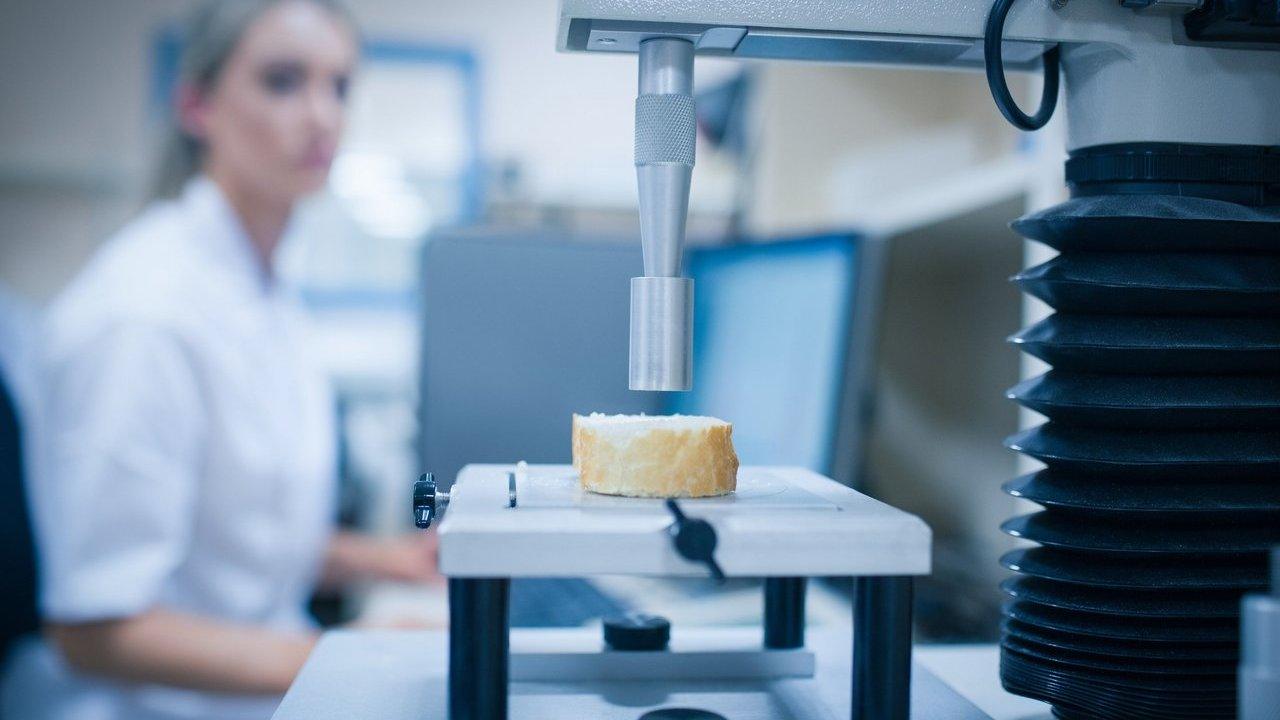
C-Source Renewables has demonstrated that glucose syrup made from waste bread can be used in fermentation, a step towards producing industrial chemicals from a major food waste stream. The Edinburgh company is working with the University of Edinburgh to investigate whether specially engineered microbes can use bread-derived sugars to produce styrene. Supported by feasibility funding from the Industrial Biotechnology Innovation Centre, known as IBioIC, the work offers a potential alternative to refined sugar and fossil-derived raw materials. Around 900,000 tonnes of bread waste are generated in the UK each year, equivalent to roughly 20 million slices a day.
A New Use For Bread Waste
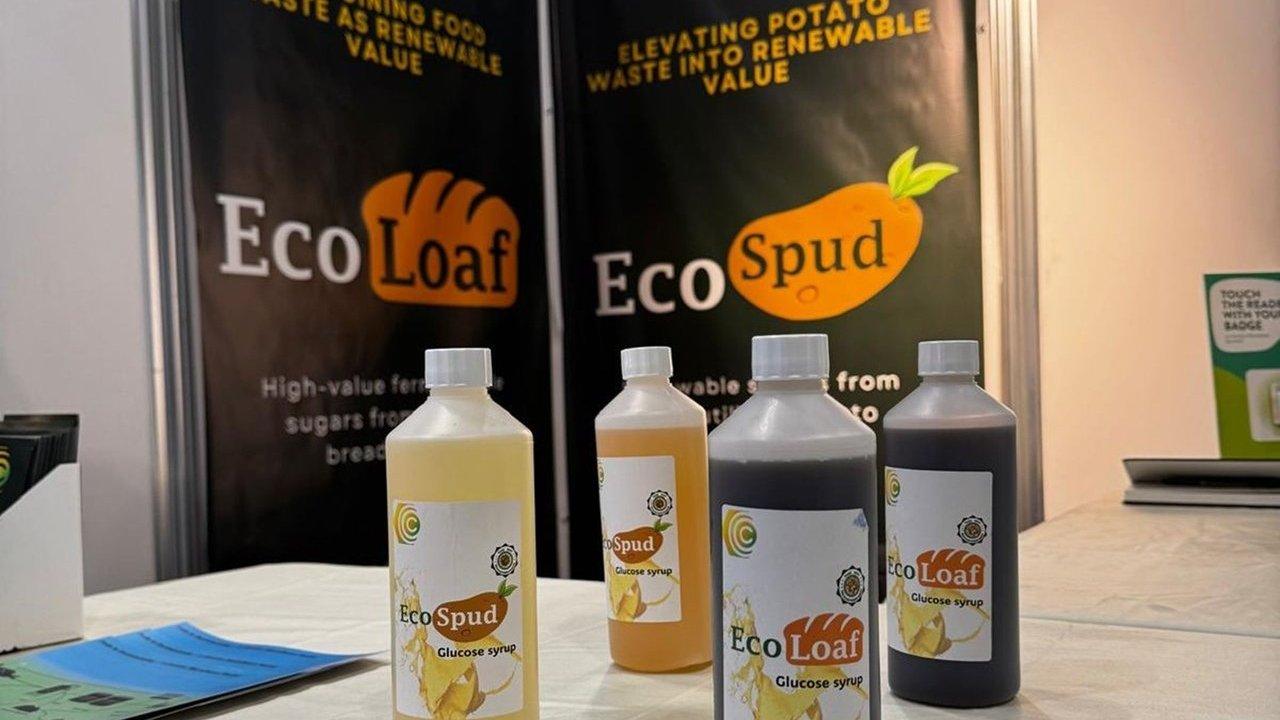
Bread contains substantial amounts of carbohydrate, yet waste material is often sent to landfill or used as animal feed. C-Source Renewables, established in 2022, uses water and enzymes to break down the starch in waste bread and create a glucose-rich syrup for microbes.
The project turns attention to a stream that has considerable scale in the UK. The estimate of 900,000 tonnes of bread waste annually highlights the opportunity, while the comparison with roughly 20 million slices a day illustrates how much material could potentially be redirected into manufacturing inputs.
The company’s work centres on replacing refined sugar with a feedstock recovered from food waste. Its glucose syrup is intended to provide engineered microbes with the sugars needed for fermentation, creating a route for bread waste to enter a biological production process.
Dr Rylan Cox, Director and Co-Founder at C-Source Renewables, said:
“We started by asking whether we could get microbes to use waste bread instead of refined sugar. There’s a lot of carbohydrate in bread, so it seemed a shame to treat it as waste when it could potentially be used as a raw material.”
Testing Fermentation Performance
Researchers at the University of Edinburgh examined how engineered bacteria respond to the waste-derived syrup and its possible role in producing styrene. Styrene is an industrial chemical used to manufacture plastics, resins and insulation materials.
The research also considered a “one-pot” approach that brings several stages together. Reducing separate processing, energy and transport requirements could make the conversion of waste bread into a useful raw material more efficient as the work develops.

The study focused on the difference between a feedstock derived from food waste and the highly purified sugars more commonly used in fermentation.
Dr Mirren White, Postdoctoral Research Associate at the University of Edinburgh, said:
“One of the key challenges was understanding how the engineered bacteria responded to a feedstock derived from food waste rather than the highly purified sugars typically used in fermentation. The results give us a much clearer picture of how the bacteria perform with this type of material and provide a strong starting point for the next stage of research.”
Reducing Fossil Material Reliance
The feasibility project has shown that bread-derived sugars can work in fermentation. The next stage will test how far the process can be developed and whether it can operate commercially, with the prospect of producing chemicals currently made from fossil fuels using a recovered food resource.
This pairing of waste reduction with bio-based manufacturing gives the project particular relevance for circular economy ambitions. Rather than treating stale bread solely as a disposal issue, the work assesses its potential as a material for higher-value products.
Dr Rylan Cox, Director and Co-Founder at C-Source Renewables, shared:
“What’s exciting is that you can tackle two problems at the same time. You’re taking something that would otherwise be thrown away and using it as a feedstock for chemicals that are currently made from fossil fuels. We’ve shown that the bread-derived sugars can work in fermentation, and the next challenge is seeing how far we can take the process and whether we can make it work commercially.”
Seven Years Of Further Research
The findings will feed into a seven-year follow-on programme within C-Loop, the University of Edinburgh-led Carbon-Loop Sustainable Biomanufacturing Hub. The university and C-Source Renewables will continue exploring scale-up and the adaptation of the technology for a wider range of higher-value products made from bread waste.
IBioIC’s early-stage support has enabled the partnership to establish a technical basis for that next phase. The organisation works with universities, colleges, industry and government to support bio-based innovation in Scotland.
Dr Liz Fletcher, Impact Director and Deputy Chief Executive at IBioIC, stated:
“C-Source Renewables demonstrates the potential of biotechnology to turn an everyday waste problem into an opportunity for more sustainable manufacturing. It’s exactly the kind of industry-led innovation that can help Scotland develop new approaches to reducing waste and reliance on fossil-derived materials. We’re pleased to have supported this early-stage work and look forward to seeing how the partnership develops.”