If you work around manufacturing, you already know water isn’t just a utility bill line item. It affects product quality, uptime, maintenance schedules, compliance, and energy use all at once. Across modern plants, smarter water management has moved from a background technical issue to a core sustainability strategy. When you look closely, the facilities making real progress are not only using less water. They’re also controlling it with far more precision.
Why water quality has become a production issue, not just a facilities issue
You can’t separate water quality from production performance anymore. In many plants, untreated or poorly managed water leads to scaling in boilers, mineral buildup in heat exchangers, inconsistent rinse cycles, and premature wear on valves and membranes. Those problems show up as scrap, downtime, and avoidable maintenance labor.
That shift matters because sustainability teams and operations teams now have overlapping goals. If you cut water waste but still lose efficiency through fouling and corrosion, the environmental win is smaller than it looks on paper. A plant manager focused on throughput and an ESG lead focused on resource intensity are often looking at the same root problem from different angles.
The most effective manufacturers treat water as a process variable. They track hardness, conductivity, total dissolved solids, and discharge quality with the same seriousness they apply to energy consumption or defect rates.
The hidden cost of “good enough” water in industrial systems
A lot of manufacturing sites still run on water practices that are technically functional but economically weak. The water may be good enough to keep equipment running for now, yet still poor enough to create cumulative damage. That gap is where costs quietly pile up.
Take a facility using steam for cleaning, heating, or process support. Hard water leaves scale on heat transfer surfaces, which forces equipment to consume more energy to do the same job. In a cooling loop, dissolved minerals can reduce thermal efficiency and increase chemical treatment demands. In washdown-heavy operations, spotting and residue can affect surface finish and final presentation.
You may not see a dramatic system failure right away. Instead, you get a steady leak of value through extra blowdown, shorter asset life, more aggressive maintenance intervals, and inconsistent process conditions. For a sustainability-focused manufacturer, that’s operational drag disguised as normal wear.
Where treatment technology fits into a serious sustainability plan
If your site is trying to lower resource intensity, treatment technology can’t sit in a silo. It needs to connect to energy management, wastewater strategy, preventive maintenance, and capital planning. That is where many sustainability plans become more practical and less performative.
A properly specified water conditioning system can support industrial softening needs by reducing hardness minerals before they damage downstream equipment. In real manufacturing settings, that can improve boiler performance, protect process water lines, and reduce scale formation that drives avoidable energy use.
The point isn’t to install hardware for the sake of optics. The point is to build a treatment approach that matches your load profile, feedwater chemistry, regeneration requirements, and production risk. Plants that get this right often see benefits in utility efficiency, maintenance planning, and equipment reliability at the same time.
Why water strategy now influences supply chain credibility
You’ve probably noticed that sustainability reporting has become more detailed. Customers, investors, and procurement teams increasingly want evidence, not general promises. Water use intensity, discharge controls, and process resilience are showing up in supplier questionnaires more often, especially in sectors with high thermal loads or wash processes.
That changes how manufacturers talk about infrastructure. Water strategy is no longer only an engineering concern tucked into the plant. It can affect bid competitiveness, audit readiness, and brand trust. If your operation depends on municipal supply with variable hardness or seasonal changes in source quality, your risk profile looks different from a site that actively manages treatment and reuse.
There’s also a resilience angle. Weather volatility, drought restrictions, and local utility stress can disrupt manufacturing faster than many teams expect. Companies that understand their water chemistry and treatment dependencies are usually better positioned to adapt without chaotic last-minute fixes.
Practical ways plants can tighten water performance without overbuilding
You don’t need a huge infrastructure overhaul to improve water performance. In many cases, the first gains come from tighter monitoring and better process discipline. Start with a water balance. Map where water enters, where it’s used, where quality shifts, and where losses occur through bleed-off, leaks, evaporation, or excessive rinsing.
Then look at the highest-value intervention points. Boiler makeup water, cooling systems, parts washing, and final rinse applications often offer the clearest returns. Pair that review with actual data from maintenance logs. Repeated descaling, clogged nozzles, or heat exchanger cleaning cycles usually point to chemistry problems that have been normalized.
It also helps to involve operators early. They often spot practical issues before management does, such as inconsistent pressure after regeneration, visible spotting on finished components, or longer warm-up times on scaled equipment. Those observations can sharpen treatment decisions and prevent overspending on the wrong fix.
What better water management looks like on the plant floor
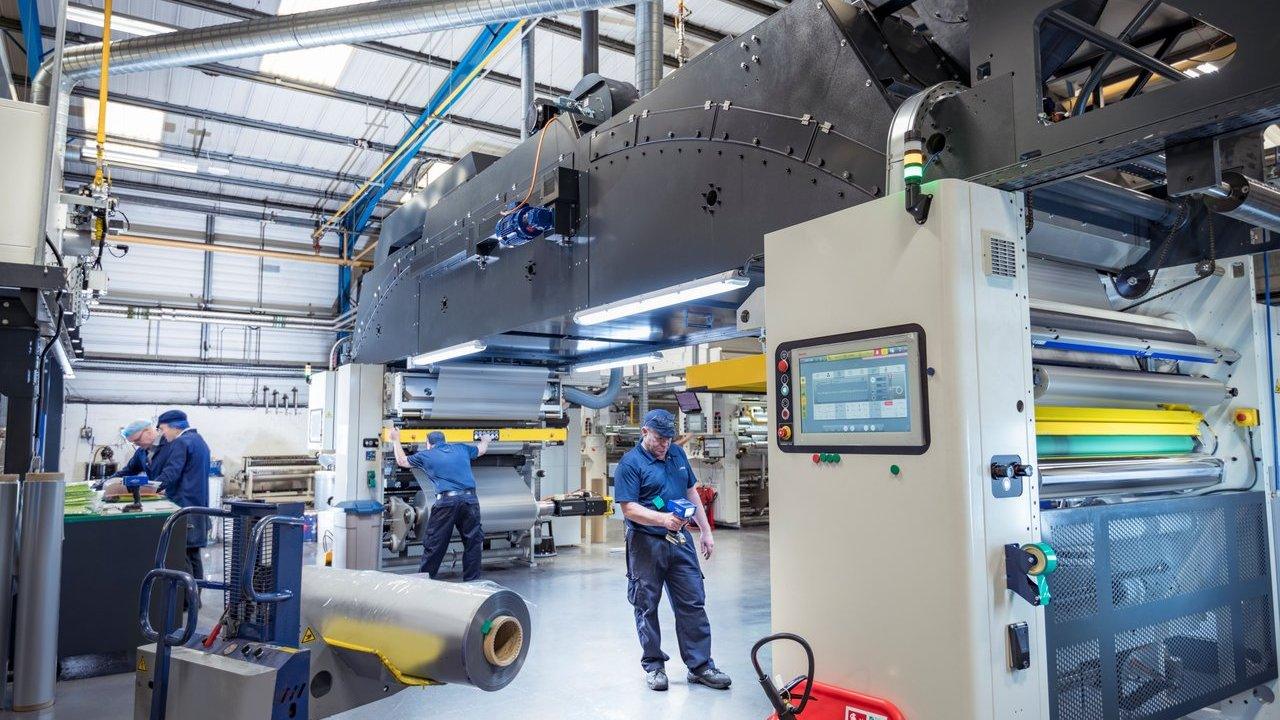
The most convincing sustainability improvements are the ones your team can feel during a shift. Better water management often shows up as fewer emergency work orders, more stable cycle times, cleaner equipment internals, and less variation in output quality. It’s not flashy, but it changes daily operations.
Picture a plant where boilers hold efficiency longer, wash lines leave fewer residues, and maintenance teams spend less time reacting to mineral-related failures. That kind of site usually didn’t get there through one dramatic investment. It got there through sharper diagnostics, better treatment alignment, and a willingness to treat water as part of core manufacturing performance.
If you’re serious about sustainable operations, water deserves the same strategic attention you already give energy, waste, and uptime. The manufacturers leading on this issue are not chasing trends. They’re building plants that run cleaner, last longer, and stay competitive under tighter environmental and operational pressure.