Greene Tweed has launched EPM 893, a PFAS-free ethylene propylene sealing compound for hydrogen and carbon capture, utilisation and storage applications. The material is designed for operating temperatures down to -60°C, with a typical service range from -67°C to 150°C. It has demonstrated rapid gas decompression resistance in hydrogen and supercritical CO₂ at pressures of up to 200 bar. The launch gives operators of high-pressure energy infrastructure another material option for systems where leakage, pressure cycling and low temperatures place severe demands on seals.
Sealing For Critical Systems
Hydrogen and CCUS equipment relies on seals across refuelling systems, valves, instrumentation, mechanical seals, underground storage, compressors, pumps and pipeline infrastructure. In these settings, exposure to high-pressure gases, process media and repeated pressure changes can cause conventional elastomers to crack, blister, lose elasticity or degrade.
Greene Tweed positions EPM 893 as a response to those operating conditions, combining low-temperature performance with resistance to rapid gas decompression and compatibility with hydrogen, supercritical CO₂, oxygen and amine-based carbon capture processes. Its PFAS-free formulation also reflects the material choices being reconsidered as certain PFAS regulations develop.
Charles Burke, General Manager, Sealing Systems and Seal-Connect® at Greene Tweed, said:
“Companies building hydrogen and CCUS infrastructure need partners who can grow with them from production and capture through transport and storage,”
Performance Across Temperatures
The compound supports continuous operation down to -60°C, while its typical service temperature range extends from -67°C to 150°C. That temperature capability is intended to support sealing requirements in environments where process conditions can vary significantly.
Rapid gas decompression is a particular consideration for pressurised systems. Greene Tweed reports that EPM 893 has demonstrated resistance in hydrogen and supercritical CO₂ environments at up to 200 bar, helping to reduce the risk of blistering and cracking during pressure cycling.
The material has also been tested in 100% hydrogen, supercritical CO₂, oxygen service and amine-based carbon capture environments. This breadth of compatibility gives engineers a practical option across both hydrogen and carbon capture equipment.
Validated Material Choice
EPM 893 has been tested in accordance with ISO 23936-2, ISO 17268/SAE J2600 and NACE TM0192 industry requirements, according to Greene Tweed. The company states that the compound achieves complete elimination of PFAS.
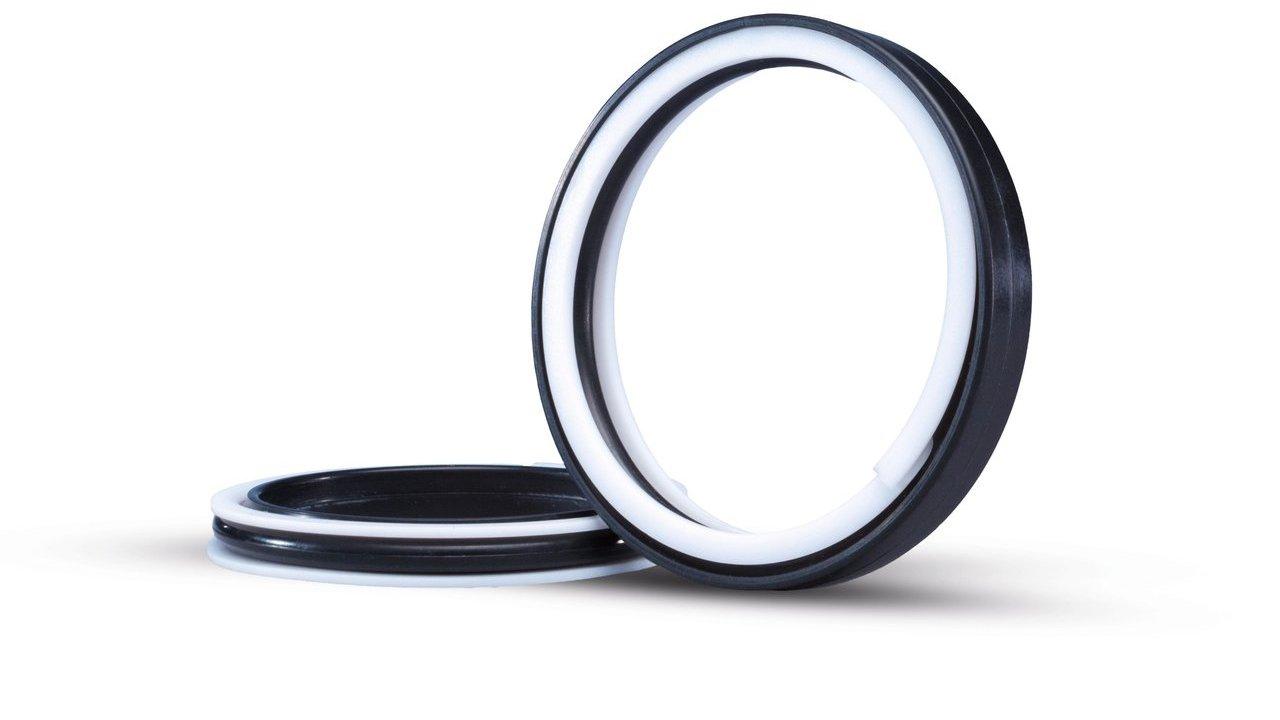
The sealing material is available as O-rings, GT® Rings and custom-moulded shapes. These formats can be specified for valves, instrumentation, mechanical seals, storage systems, compressors and CO₂ transport infrastructure, allowing the compound to serve a range of component designs.
Charles Burke, General Manager, Sealing Systems and Seal-Connect® at Greene Tweed, said:
“EPM 893 expands a portfolio Greene Tweed is building for that full value chain, and signals where we will continue to invest and deliver end-to-end design expertise for the total sealing system as these markets mature.”
Reducing Operational Tradeoffs
Large-scale hydrogen and CCUS projects are often measured in production and capture capacity, yet their day-to-day performance also depends on reliable equipment at every connection point. By focusing on the seal itself, Greene Tweed is addressing a component that can influence maintenance requirements and operational continuity across the wider system.
The EPM 893 launch brings together several properties that can otherwise require design compromises, including performance at low temperatures, chemical compatibility and decompression resistance. For operators, the result is intended to support equipment longevity in applications where pressure containment is essential.
Arturo Flores, Product Manager, Sealing Systems at Greene Tweed, said:
“Hydrogen and CCUS projects are often evaluated through the lens of megatons and gigawatts, but their success is built on operational discipline: tight systems, low leakage, and equipment that lasts,”
Arturo Flores, Product Manager, Sealing Systems at Greene Tweed, said:
“EPM 893 was developed to reduce the tradeoffs engineers typically face in these environments. It offers a practical path to fewer seal changes, fewer leaks, and the reliability required in applications where failure is not an option.”
Supporting Energy Transition Infrastructure
As hydrogen and CCUS infrastructure expands from production and capture through transport and storage, materials that can operate reliably in demanding service conditions will remain central to project delivery. Greene Tweed’s EPM 893 provides a PFAS-free sealing option tailored to that requirement, with performance claims spanning low temperatures, high pressures and several process media.
For an industry built on connected systems, the development highlights the value of carefully engineered components in supporting reliable, lower-emissions infrastructure.