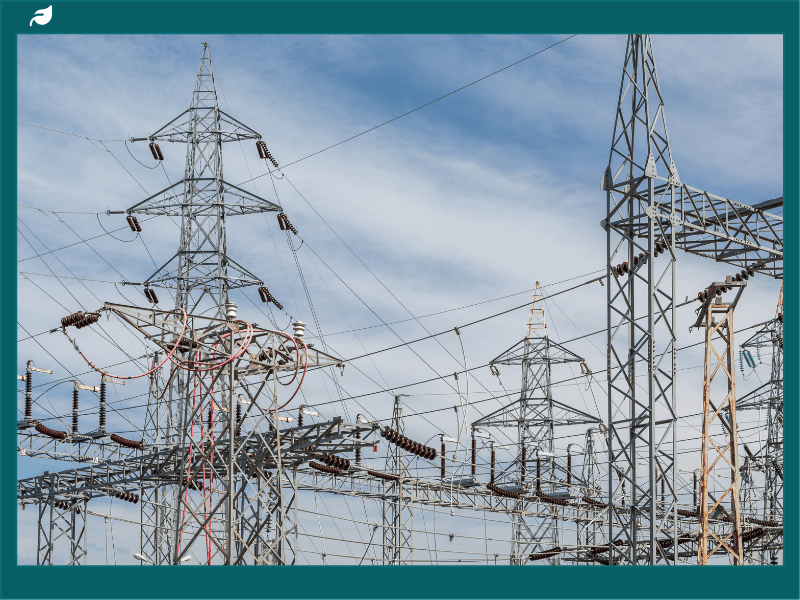
Businesses are finding more ways to replace fossil fuel use with electricity. Solar installations, EV charging, electric heating and cooling, battery storage, and new production equipment can all support sustainability goals. They can also place new demands on the electrical systems that serve a facility. Companies planning major electrification projects may need to assess existing transformers, switchgear, cables, and distribution capacity, with industry resources such as High to Low Voltage helping them understand the equipment available for larger power requirements.
Electrical infrastructure may receive less attention than solar panels or electric vehicles, yet it plays an important role in whether new systems can operate as planned. A sustainability strategy that increases electricity use should therefore include a clear view of how power enters, moves through, and supports the facility. Looking at these needs early can make electrification projects easier to plan and can help businesses prepare for further growth.
Start With the Facility You Have Today
Every electrification plan begins with the existing building. Before adding large electrical loads, businesses need to understand how much power the facility uses, how much capacity is available, and which parts of the electrical system may need attention. This creates a practical starting point for decisions about new equipment.
The assessment should consider more than total electricity use. Peak demand matters because several large systems may operate at the same time. A facility could add EV chargers, electric HVAC equipment, or production machinery that creates a much higher load during certain periods of the day. Qualified electrical professionals can review these patterns along with the existing service and distribution system.
The age and condition of equipment also matter. A system that has served a building for many years may still perform well, but it may not have been designed for the loads that modern electrification projects can create. Understanding those limits early gives the business time to include necessary upgrades in the project rather than discovering them late in the process.
Connect Sustainability Goals With Power Demand
Sustainability plans often develop around individual projects. One team may work on rooftop solar while another plans fleet electrification. A facility manager may be considering electric heating, while production teams prepare to replace older equipment. Each project can make sense on its own, but together they may change the building’s electrical needs considerably.
A coordinated plan gives businesses a clearer picture of future demand. If a company expects to add EV charging this year and expand solar or production equipment later, those projects should form part of the same long-term electrical discussion. This can help the company avoid upgrading the same part of its infrastructure several times as new projects come online.
Timing matters too. Some sustainability projects can be introduced in stages, allowing businesses to spread investment and prepare infrastructure as demand grows. A clear roadmap helps facility teams understand which electrical improvements need to happen first and which can wait until a later phase.
Plan Renewable Energy as Part of the Wider System
On-site renewable energy can change how a facility uses electricity, but solar panels and other generation systems still need to work with the building’s wider electrical infrastructure. The design has to account for how energy will enter the facility’s distribution system, how much electricity the building uses, and how the project will coordinate with utility requirements.
Battery storage can add another layer to the plan. A business may use batteries to store solar energy, manage demand, or support selected operations during certain power events. These systems need appropriate electrical connections and controls, which makes early coordination valuable.
Businesses should also think about how renewable generation fits with future electrification. A solar project designed around today’s load may serve a facility that uses much more electricity several years from now. Sharing expansion plans with the project team can help create a system that reflects the company’s wider energy strategy.
Build Capacity for EV Charging and Electric Equipment
Transport is a major area of business electrification. Companies may install chargers for employees, customers, delivery vehicles, or commercial fleets. The power requirements can vary widely depending on how many vehicles need to charge and how quickly charging needs to happen.
Planning should begin with real operating needs. A fleet that remains parked overnight may have different charging requirements from vehicles that return to service throughout the day. Understanding those patterns can help businesses avoid planning around assumptions that do not match daily operations.
The same principle applies to electric heating and industrial equipment. Replacing fuel-powered systems can shift a large amount of energy demand onto the electrical network. Businesses should evaluate these changes alongside other planned loads so the facility can support them as part of one coordinated system.
Include Reliability in the Electrification Strategy
As businesses rely more heavily on electricity, power reliability becomes increasingly important to daily operations. A facility that moves heating, transportation, production, and other functions onto electrical systems may have more to manage when part of its power infrastructure goes offline.
Preventive maintenance should therefore remain part of the sustainability plan. Electrical equipment needs inspection and service throughout its working life, and facility teams should keep accurate records of major components and previous work. Good documentation also makes it easier to plan upgrades as the building changes.
Businesses can also identify which loads are most important to operations and consider how those systems would be managed during planned maintenance or an unexpected outage. This broader view connects electrification with business continuity and helps ensure that cleaner energy systems remain practical in day-to-day use.
Treat Electrical Planning as Part of Sustainability
Electrification can help businesses reduce direct fossil fuel use and make better use of renewable energy. Reaching those goals requires more than selecting efficient equipment. The electrical infrastructure behind each project has to support the new demand.
Businesses can prepare by assessing current capacity, combining separate electrification projects into a long-term plan, and considering how renewable generation, EV charging, heating, and production equipment will work together. Reliability and future growth should remain part of those discussions as well.
When companies bring electrical planning into their sustainability strategy early, they gain a clearer picture of what their facilities can support and what may need to change. That foundation can make it easier to introduce new technologies over time while keeping the wider energy transition practical for the business.