As we celebrate Earth Day. Though it should be a constant thought, this day
in particular nudges us to think extra about how our actions affect the planet and take part
in initiatives that help combat climate change.
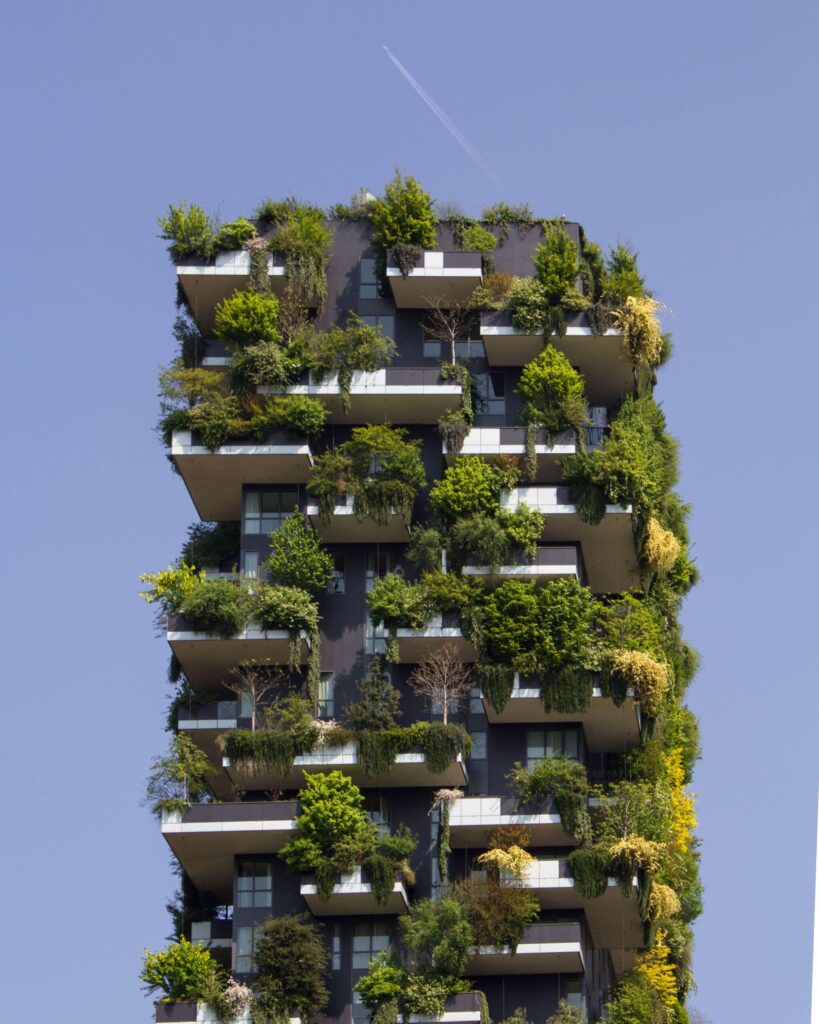
For the real estate industry, environmental considerations are now an integral part of the
business, as U.S. buildings account for 39% of energy consumption and 40% of carbon
dioxide emissions. The World Green Building Council’s “Beyond the Business Case” report
mentions the building and construction industry “as one of the largest economic
ecosystems in the world,” and highlights the critical role this industry plays in achieving
global sustainability goals along with the benefits of investing in a sustainable built
environment.
With Earth expected to cross a critical threshold for global warming within the next
decade, there is an increased sense of urgency from the real estate industry to incorporate
sustainable practices. Twenty-nine major cities worldwide, including NYC, Washington
D.C., Los Angeles, and Portland, Oregon, have signed the Commitment and pledged to
achieve net-zero building operations by 2050. For this year’s Earth Day, let’s explore three
U.S. companies leading in sustainable design and development:
Innovations in Architecture
For architecture firm Newman Garrison + Partners (NG+P), sustainability is at the forefront
of every design. They take inspiration from improvements and innovations being
implemented in all corners of the world to stay at the cutting edge of sustainable design.
“The U.S. is behind where it should be in terms of sustainable design,” says Kevin Newman,
CEO and Creative Director at NG+P. “If you take a look at what some other countries are
doing, you’ll notice that we’re practically a decade behind where others are in addressing
buildings’ carbon emissions.”
Following the 2008 housing crash, Newman recognized the challenges the
continuing rise in land, construction, and materials costs presented for
the building industry – a similar market to today. To overcome these
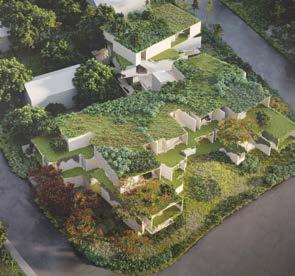
obstacles, Kevin developed the now-patented concept of NewBlock™, a lower-
cost, urban-infill design solution that opens the door to development on
sites that would otherwise have been neglected, reduces the “heat island”
effect, and addresses California’s greenhouse gas legislation.
“I love how design can push the envelope,” he said. “I’m driven to do more with every
project that comes across my desk– to be more creative, more aware, and incorporate
more sustainability.”
Smart Sustainable Technologies
With a rising demand for sustainable building solutions, the construction and development
industry has benefited greatly from the steady emergence of sustainable innovations in
technology. Spearheading this development is ANAX Real Estate Partners’ early-stage
investment fund, ANAX Ventures, which is focused on emergingPropTech and ConTech
companies.
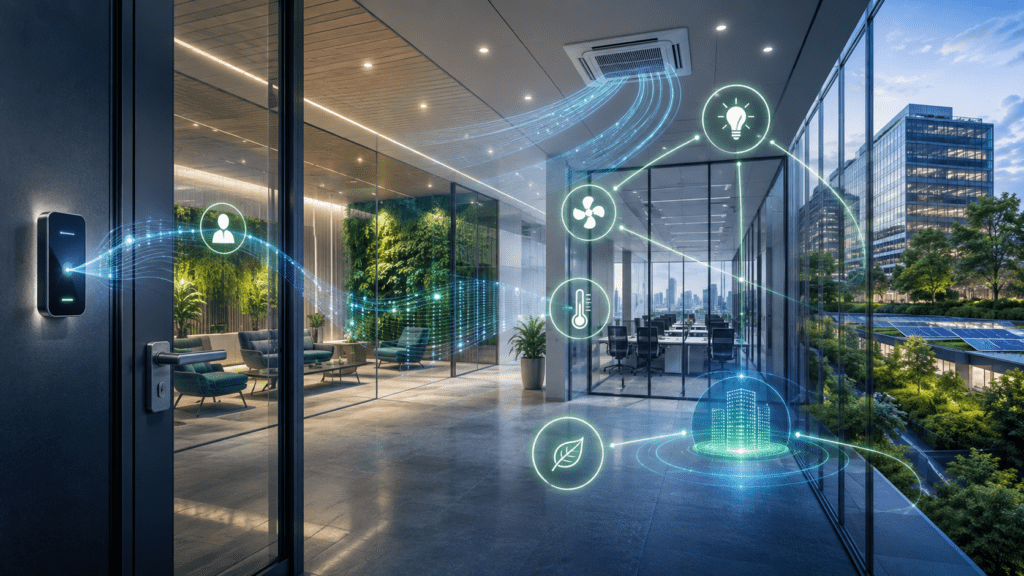
Eric Brody, Managing Partner at ANAX, shares that “state-of-the-art smart buildings of the
future provide many benefits to the building owners and operators as well as its residents.
We are focused on integrating these innovative technologies into our future
developments.”
ANAX has invested in 11 technology companies, with some effecting significant changes to
carbon footprints, such as Trusstor and Verobotics. Trusstor is a startup focused on
reducing pollution through a digitized construction platform that offers intelligence to
developers, enabling them to better anticipate problems and resolve issues in a timely,
cost-effective, and sustainable manner. Verobotics is a robotics company that analyzes
building upkeep and maintenance while providing real-time updates on issues so they can
be dealt with in time. The solution is centered around safety, as the robot replaces the
human usually harnessed down a skyscraper.
Environmentally-Attuned Design
Another form of working towards a more sustainable and climate-friendly future is by
incorporating nature in every aspect of the building. Architecture in symbiosis with nature
perfectly describes the Surf Row Residences in South Florida’s Surfside.
“Environmental integration is always seeking to mimic the qualities of nature, which have
provided best practices for centuries,” shares Rene Gonzalez, principal at Rene Gonzalez
Architects, the firm behind the development. “We have considered the environment in
which the Surf Row Residences live in every possible manner. Whether it was the precise
setting of the buildings on the site providing for best views and capturing the best breezes,
the integration of the gardens into the actual façade of the structure, or the selection of
the glass materials which allows the residences to blend in with nature that surrounds it.”
It is the responsibility of everyone in the building space; architects, investors, and
developers, to incorporate innovative ideas, technologies, and sustainable materials into
the built environment and make it a best practice.