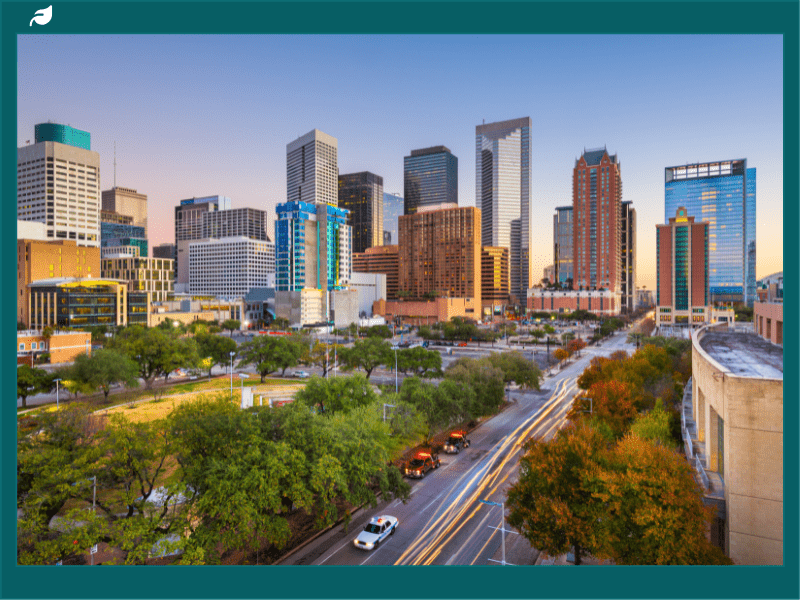
Behind the ever-changing landscape of Texas’ ever-growing cities, there is a wealth of changes taking place within the public works of major cities across the State. As more and more people move to urban centers and severe weather occurs with increasing regularity, the sustainable development of public works is becoming a matter of increasing urgency for the residents of growing cities and towns. Sustainable public works involve more than simply the installation of solar panels to generate electricity; in short, everything that is involved in the day-to-day running of public works must be re-engineered in order to create sustainable public works.
How do you balance urban growth with long-term ecological balance?
Honestly, creating greener infrastructure is key to a state known for producing a lot of energy to create sustainable initiatives. Practically balancing means focusing on several sectors such as water conservation and energy-efficient public buildings. It really all comes down to the small, everyday choices and how to actually stick to them in a sustainable manner.
Sustainable Construction and Urban Development
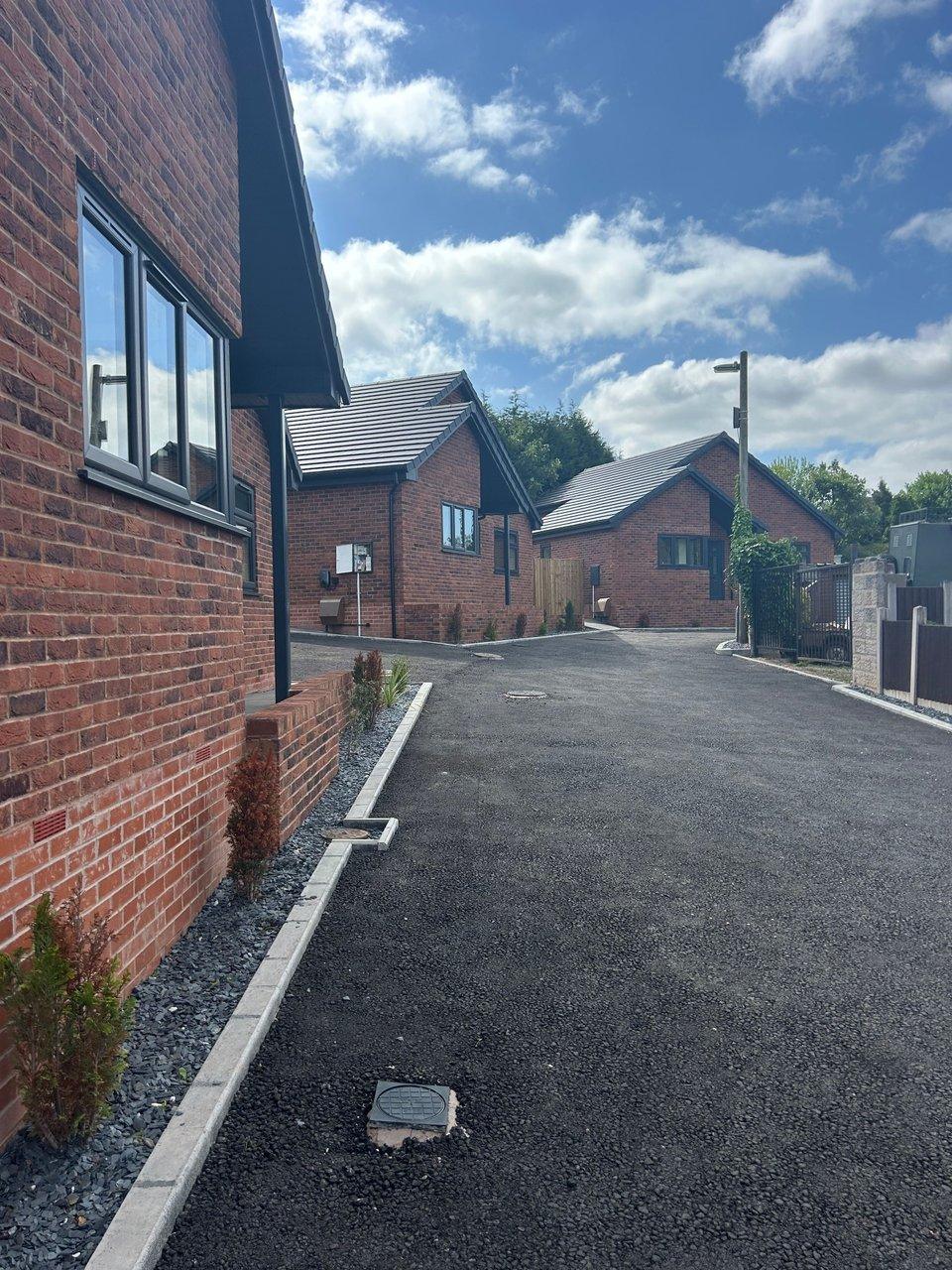
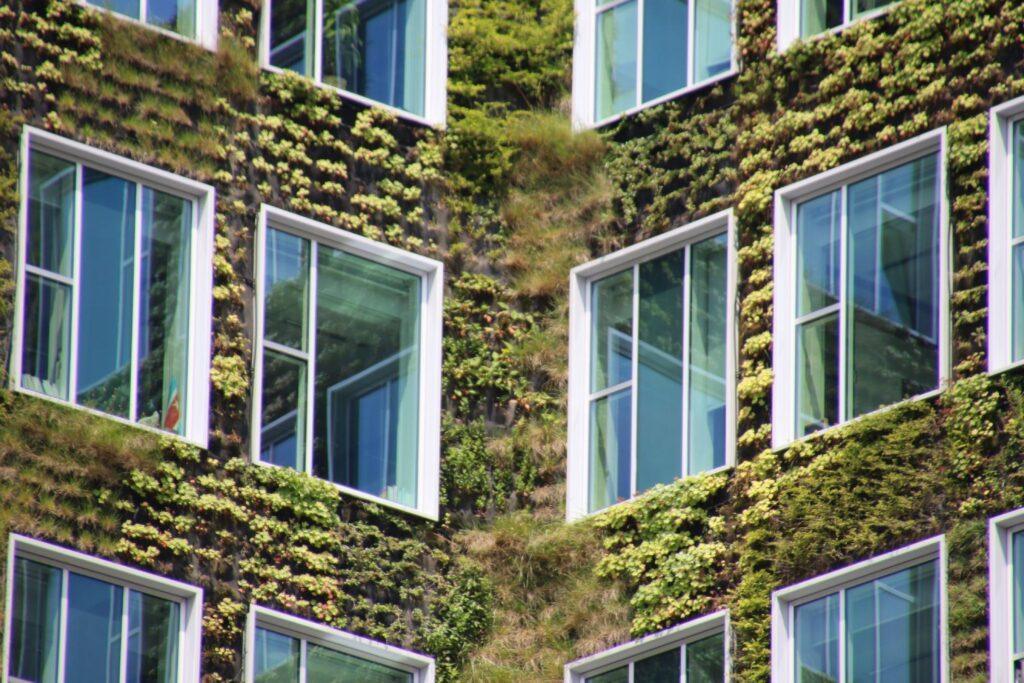
Green infrastructure in Texas is quite evident in the Sustainable Construction and Urban Development section. The Municipal Building Codes for sustainable construction in the Urban Development section are increasingly required for public buildings. These new construction codes aim to decrease energy consumption, improve indoor air quality, and promote the use of sustainable building materials for the structure and finishes. The renovation of the public hall where I work is a great example of how sustainable construction can bring about changes in behavior.
Commercial development and public works projects are looking for efficient ways to complete their tasks. This requires a stable and capable workforce of skilled laborers. This includes people such as electricians who can work with renewable energy systems, plumbers who can work with low-flow systems, and heavy equipment operators who can complete sustainable land clearing projects. Meeting that need often comes down to connecting with an Austin, TX skilled trades staffing agency that already has workers trained in these newer, sustainability-focused skill sets.
When projects have access to trained local talent, green building initiatives move smoothly from structural blueprints into completed, functioning community spaces. And that’s the point.
Many green building initiatives are not just to create individual structures but to create entire neighborhoods that are sustainable. These are often referred to as mixed-use developments and are designed to promote walkability, thereby reducing the amount of time that is spent in a car traveling to work, school, shopping, and entertainment. The goal of mixed-use developments is to create walkable, human-scale neighborhoods that promote physical activity and reduce energy consumption, air pollution, and other negative impacts on health and the environment associated with spending time in a car. Could the answer for car-dominated cities be as simple as building a number of these walkable neighborhoods, each anchored by one or two easily accessible transit stops?
Water Management and Conservation Infrastructure
Water security is becoming an issue of growing concern for the various Texas municipalities. The large amount of growth the cities are experiencing, combined with recurring periods of drought, is placing an increasing amount of pressure on the supplies of municipal water.
Advanced Stormwater Management Systems: The first focus area is to implement advanced Stormwater Management Systems (SWMS) by utilizing the best available technologies and design practices. This approach will focus on capturing groundwater and preventing urban pollutants from entering our water resources, as opposed to the traditional concrete channel approach that solely conveys and discharges stormwater runoff into our rivers. Instead, green infrastructure features, such as rain gardens, permeable pavements, and bioswales, will be incorporated into the design of the SWMS to allow rainwater to infiltrate into the soil and recharge our groundwater resources.
And the results speak for themselves.
By reserving drinking water for human consumption, the primary water source for future generations of Texans will be safe from being wasted on watering park lawns or for industrial cooling. Additional programs are also being developed to promote water conservation, and a variety of programs have been put into place to assist low-income residents in reducing their consumption of potable water.
Transportation and Clean Energy Integration
In Texas cities, there is a growing effort to update public transportation systems to better fit the needs of people who live in urban settings. Many of these updated systems are designed to reduce the number of single-occupancy vehicles on the road and are being powered with clean energy in the form of electric vehicles. By transitioning municipal fleets to be powered by renewable energy, these cities are able to significantly reduce the environmental impact of these services.
By installing recharging stations, in the form of level two recharging stations and fast charging stations, which can be installed in various locations including parking garages, parks, and city facilities, urban areas can encourage residents to consider purchasing electric vehicles while, at the same time, enabling municipal service vehicles to be recharged on an as-needed basis.
Furthermore, urban centers are developing and creating alternative forms of mobility. For example, by building and creating miles of bike lanes and wide pedestrian pathways and connecting them by creating integrated public transportation systems, cities are promoting forms of travel that do not contribute to air pollution and, in fact, are better for the environment and public health.
Renewable Energy Adoption on a Local Scale
The State of Texas is leading the charge in wind energy production, but that doesn’t mean individual cities can’t come up with their own creative ways to utilize renewable energy on a municipal level. For example, by installing solar panels on the rooftops of public buildings, such as libraries and water treatment plants, cities can reduce their own energy costs while pumping clean energy back into the local grid.
Additionally, emerging in practice are the so-called microgrids. While some of these systems can function as a completely independent power network, others are still in development and are being put into practice wherever possible. Power in a microgrid will often be supplied by means of solar energy systems; in order to work without limitation in terms of power, large-scale battery systems are also integrated into these networks of power suppliers. In this way, health care facilities, fire stations, and water treatment plants are powered and can keep functioning even in case of an emergency, such as a natural disaster.
So what happens when the main power grid goes down in the middle of a severe storm? The answer is simple: your microgrid comes online to supply your buildings with the power that they need.
Residents who live in an apartment or a house that is not suitable for the installation of solar panels can subscribe to a shared solar farm, reducing their energy bills while generating clean energy.
The Road Ahead for Texas Communities
There is much work to be done to create sustainable infrastructure in the large, diverse state of Texas. But in the end, all it will take is the continued cooperation of local governments, contractors, skilled labor, and the citizens in the various Texas communities. And in the meantime, practical solutions to the many challenges to sustainable infrastructure are being implemented in various Texas cities.
Real change happens step by step.
Future technologies, along with the growth of skilled labor, will continue to solidify the groundwork of the sustainable state of Texas. Sustainability in transportation, water, and building will continue to be the hallmark of future growth in Texas.