Nobody is surprised by the fact that one of the main problems the corporate sector is
currently experiencing is sustainability and it is becoming more and more clear that major
corporations all around the world bear duty for the children of tomorrow. Businesses are far
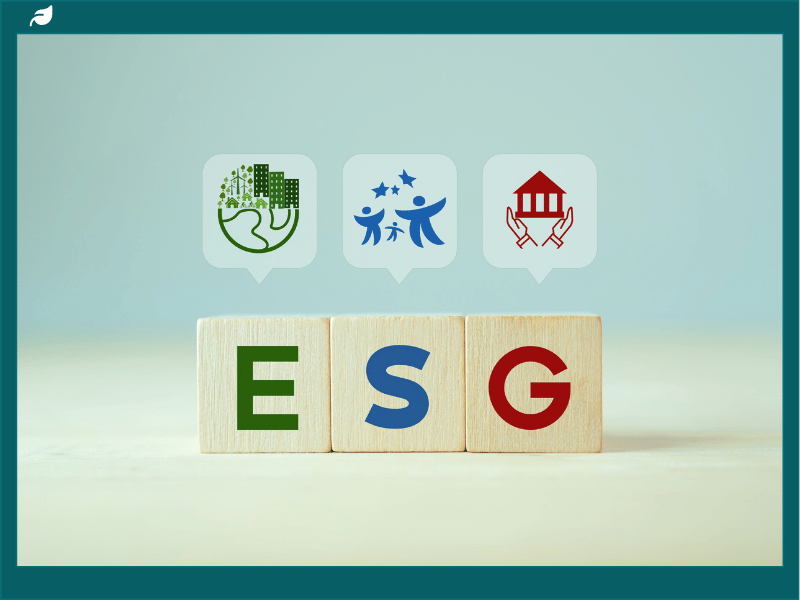
from reaching their sustainability goals despite these growing worries being widely observed according to Gartner’s most recent supply chain projection, a worrying 9 out of 10 organisations are expected to fall short of their 2025 sustainable packaging goals. Even if these three words stalk businesses everywhere, environmental, social, and governance (ESG) can play a significant role in this.
ESG projects can be carried out by a corporation in a variety of methods, including carbon
footprint reduction, waste management, and improvements in a business’s general supply
chain. Recent data from Capgemini shows that 31% of consumers prefer items with
minimum packaging, while 42% of consumers prefer products with natural and healthy
ingredients. It is clear that consumers are a driving force behind businesses and
organisations assessing their ESG objectives and bringing them into line with their primary
business goals in today’s business environment.
When it comes to sustainability and how it fits into your organisation, there are a large
number of different variables that need to be taken into account.
In order to increase their efforts to become courageous and bold players in terms of ESG, businesses must first determine where they stand in terms of sustainability and their ESG activities, as this will
provide them with a clear baseline from which to work. There are a few trends in this area
that catch the attention of consumers when beginning to look at how firms might advance on
the sustainability front. These include packaging that is recyclable and reusable, minimising
packing, or switching out plastics for more environmentally friendly alternatives. Businesses
have the power to influence their industry in a methodical way by using packaging as a lever.
To start, are there some issues about a company’s current packaging that need to be
addressed: is it reusable? Is it ethically or regionally sourced? Does it have a low energy or
water content? Additionally, decision-makers must take into account packaging’s five
purposes: protection, preservation, promotion, information, and containment. When making decisions and designing products, the purpose of the packaging must always come first. Any
alterations will have consequences and involve trade-offs that must be taken into account.
How does a company try to analyse the performance of its packaging with this in mind? The
solution can be found in an evaluation tool that applies the most recent scientific
methodologies, includes information from reputable sources, is user-friendly, and will change
over time in response to user needs. This will enable the computation of any packaging
type’s carbon footprint and produce a report or score for a packaging’s environmental
effectiveness and impact. The tool will also evaluate their present packaging to new
packaging options and simulate various scenarios to lessen its impact. As a result, it
provides an organisation’s stakeholders with all the necessary information and data to
enable them to make the best choice possible in accordance with their bottom line and
pertinent ESG goals and objectives.
Utilising such technology and data eventually gives rise to the concept of digital
transformation and the requirement that a corporation stays up to date with emerging
technologies.
All corporate sectors use the term “digital transformation,” while its significance
is occasionally understated. It is the engine that drives a company forward, increasing its
responsiveness and profitability. Over the past few years, the demand for organisations to
undergo digital transformation has increased, but many still need to catch up. While some
organisations are slow to adopt these innovations, those that do may clearly gain from their
use as it allows them to better meet customer expectations, engage with customers on a
deeper level, and improve internal and external communication.
In addition to digital transformation, the use of data can help organisations satisfy customers’
aspirations for sustainability because data and technology open doors for them to forge
closer connections with their clients. Businesses are starting to use cutting-edge innovations
like augmented reality and virtual reality, which improve consumer experiences and foster
customer connection. Through virtual experiences, packaging becomes Doctor Who’s Tardis
and enlarges the product inside. Additionally, it responds to the concerns customers might
have regarding a product’s packaging outlined above.
This can benefit the brand as it enables the consumer to get knowledge about the product’s
life cycle, which in turn fosters customer trust in the company. By demonstrating their ESG
commitments to customers in a transparent manner that benefits both the environment and
the customer, businesses can strengthen the purpose of their brand and set themselves apart from stiff competition. Brand purpose is crucial, as it fosters customer trust and
accounts for brand loyalty, a crucial component of business.
Data offers understanding and knowledge, which subsequently spurs effectiveness, cost-
cutting, and action. By embracing new technology in 2023, firms will be able to challenge the
existing quo and take the lead in this increasingly cutthroat industry.