In today’s digital-first world, customers expect seamless and secure transactions, especially when dealing with sensitive financial or insurance matters. For organizations in these sectors, building and maintaining trust is paramount. But how can insurance and financial institutions optimize transaction security while catering to evolving customer preferences for digital billing and payments?
The Importance of Secure Transaction Channels in Insurance
Insurance companies handle vast amounts of sensitive data and large sums of money, making them prime targets for cyber threats. The complexity of managing various payment streams—premiums, claims, refunds—adds to the challenge. To address these concerns, organizations are increasingly adopting robust insurance payment processing solutions. These systems are designed to safeguard personal and financial information, ensuring that both clients and companies are protected against potential breaches.
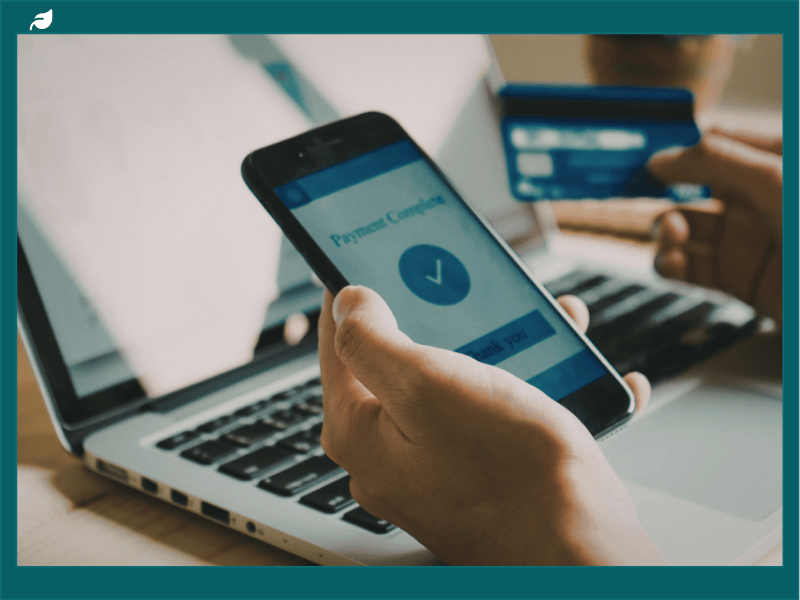
Today’s customers expect not just secure but also convenient methods for managing their policies and payments. As a result, insurance providers are investing in multi-channel digital billing infrastructures that enable transactions across web portals, mobile apps, and automated phone systems. This approach not only enhances security but also improves customer satisfaction by offering flexibility and ease of use.
Evolving Threats and Security Best Practices
Cybersecurity threats are constantly changing, with attackers using increasingly sophisticated methods to exploit vulnerabilities. Financial and insurance institutions must therefore adopt proactive strategies to stay ahead of these risks. Key security best practices include:
- Implementing end-to-end encryption for all transaction data
- Using multi-factor authentication to verify user identities
- Conducting regular security audits and vulnerability assessments
- Training staff to recognize and respond to phishing attempts
Adopting such measures helps organizations comply with regulatory requirements while instilling confidence in customers who entrust them with confidential information.
The Role of Payment Solutions for Financial Institutions
Financial institutions, including banks, credit unions, and investment firms, face similar challenges in transaction security. With digital payments on the rise, the need for comprehensive payment solutions for financial institutions has never been greater. These solutions are engineered to handle large transaction volumes while maintaining rigorous security standards.
A well-designed payment infrastructure enables institutions to process payments quickly and accurately, reducing the risk of errors or fraud. Integration with advanced fraud detection tools and real-time transaction monitoring further enhances security. By prioritizing these capabilities, financial institutions can protect both their clients and their reputations in an increasingly competitive market.
Building a Multi-Channel Digital Billing Infrastructure
To meet the demands of modern consumers, insurance and financial organizations are turning to multi-channel digital billing infrastructures. This approach allows customers to choose their preferred method of payment, whether online, via mobile, or even through automated phone systems. Each channel offers unique security considerations:
- Web portals must use SSL encryption and secure login protocols
- Mobile apps require regular updates and secure coding practices
- Automated phone systems should incorporate voice recognition and secure IVR technology
A multi-channel approach not only increases convenience but also spreads risk, as institutions can quickly shift channels if a vulnerability is detected in one area.
Checklist for Optimizing Transaction Security
Ensuring robust transaction security requires a coordinated approach. The following checklist highlights key steps for insurance and financial institutions:
- Assess current payment systems for vulnerabilities
- Upgrade to PCI DSS-compliant payment platforms
- Implement multi-factor authentication across all channels
- Regularly update and patch software systems
- Educate customers on secure payment practices
- Monitor transactions for unusual or suspicious activity
- Establish clear protocols for responding to data breaches
By following these steps, organizations can significantly reduce the risk of fraud or cyberattacks, while building a foundation of trust with their clients.
Leveraging IVR Payment Systems for Enhanced Security
Interactive Voice Response (IVR) technology is gaining traction as a secure and convenient payment channel. With ivr payment systems, customers can make payments over the phone using touch-tone or voice commands, reducing the need to share sensitive details with live agents. This not only minimizes the risk of data exposure but also provides a 24/7 payment option.
IVR systems are designed to comply with strict security standards, often incorporating real-time fraud monitoring and encrypted data transmission. For insurance and financial institutions seeking to expand their digital billing capabilities, IVR represents a valuable addition to their transaction security toolkit.
Conclusion
Optimizing transaction security is essential for insurance and financial institutions striving to maintain customer trust in an increasingly digital landscape. This multi-faceted approach not only mitigates risks but also enhances customer satisfaction, ensuring these institutions remain resilient in the face of evolving security threats and changing consumer expectations.