Modern driving involves more than simply getting from one place to another. Traffic congestion, unpredictable drivers, and increasing road incidents make vehicle safety more important than ever. Many drivers now look for practical tools that provide both protection and peace of mind while on the road.
One of the most effective tools available today is a car camera dash cam front and rear system. These devices record both the road ahead and the area behind your vehicle, helping document events that occur during your drive. Whether you want protection in case of accidents, better visibility while driving, or improved awareness of road situations, choosing the right dash cam can make a significant difference in your overall driving experience.
What Is a Front and Rear Dash Cam?
A dash cam is a compact video recording device installed inside your vehicle. A car camera dash cam front and rear system includes two cameras that capture footage from both directions.
The front camera typically mounts on the windshield and records the road ahead. The rear camera is usually installed near the rear window and records traffic behind the vehicle.
Together, these cameras provide more complete coverage than single-camera systems.
Benefits of dual-camera systems
Front and rear dash cams allow you to:
- Capture incidents from multiple angles
- Record rear-end collisions or tailgating events
- Monitor surrounding traffic conditions
- Improve evidence collection in accident investigations
Because they cover more of the driving environment, dual-camera setups offer greater protection than single-camera models.
Why More Drivers Are Using Dash Cams
Dash cams have become increasingly common in vehicles around the world. There are several reasons why drivers choose to install a car camera dash cam front and rear system.
Accident documentation
One of the most valuable benefits is recording evidence in the event of an accident. Video footage can provide an objective record of what occurred.
Insurance support
Clear footage can help resolve disputes during insurance claims. This can reduce delays and misunderstandings after a traffic incident.
Increased driving awareness
Knowing that your drive is being recorded can encourage safer driving habits and greater awareness of your surroundings.

Key Features to Consider When Choosing a Dash Cam
Not all dash cams are designed the same way. When selecting a car camera, a dash cam front and rear, certain features can greatly influence performance and reliability.
Video resolution
Video quality is one of the most important aspects of a dash cam. Higher resolution cameras capture clearer images, making it easier to identify license plates and road details.
Common resolutions include:
| Resolution | Image Quality | Best For |
| 1080p | Standard HD | Basic recording |
| 2K | Enhanced clarity | Improved detail |
| 4K | Ultra HD | Maximum image sharpness |
Higher resolution recordings can be particularly useful in accident documentation.
Field of view
The field of view refers to how wide the camera lens can capture the surrounding area.
A wider angle allows the camera to record more of the road and nearby lanes. Most high-quality dash cams offer a viewing angle between 120 and 170 degrees.
This helps ensure your car camera dash cam front and rear captures as much of the road environment as possible.
Night vision capability
Driving conditions change significantly at night. Low-light recording quality becomes especially important when selecting a dash cam.
Features that improve nighttime footage include:
- Advanced image sensors
- Infrared support
- Wide dynamic range technology
These features help ensure the camera continues recording clear footage even in dim lighting conditions.
Storage and Loop Recording
Dash cams continuously record while you drive. Because storage space is limited, most systems use loop recording.
How loop recording works
Loop recording allows the camera to overwrite older footage once the storage card becomes full.
This means the device continues recording without requiring manual file management.
Memory card capacity
Dash cams typically use microSD cards for storage. Choosing a card with sufficient capacity ensures longer recording times.
Common sizes include:
- 32GB for short recording cycles
- 64GB for moderate usage
- 128GB or higher for extended recording
Higher capacity storage is particularly helpful for a car camera dash cam front and rear system since two cameras record simultaneously.
Parking Mode and Motion Detection
Some dash cams include features designed to protect your vehicle even when it is parked.
Parking mode
Parking mode allows the camera to record activity around your car while the engine is off.
This can help document:
- Parking lot accidents
- Vehicle vandalism
- Suspicious activity near the vehicle
Motion detection
Motion detection activates the camera when movement is detected near the vehicle.
This helps conserve storage space and power while still capturing important events.
Installation Considerations
Installing a dash cam is usually straightforward, but there are a few things you should keep in mind.
Proper camera placement
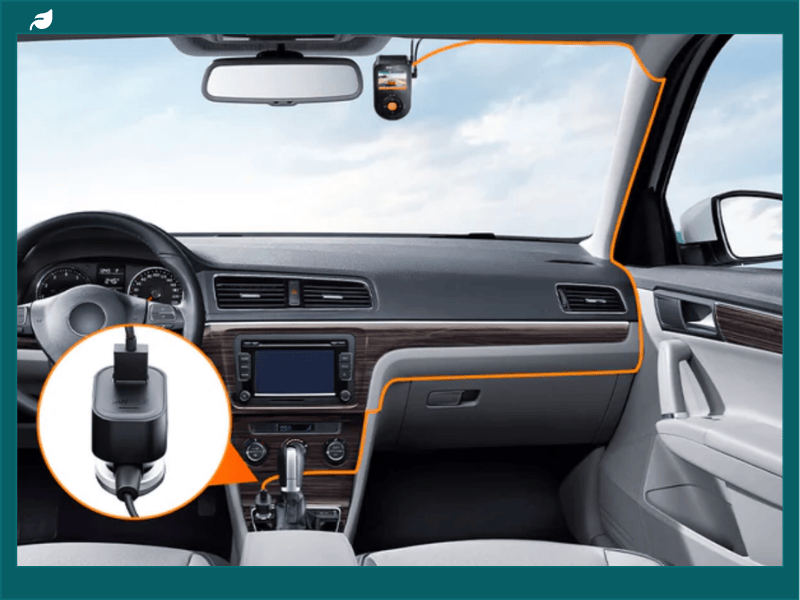
The front camera should be mounted near the center of the windshield without obstructing your view. The rear camera should be positioned where it can clearly capture traffic behind your vehicle.
Cable management
Wires should be routed along the edges of the windshield or interior trim to maintain a clean installation and avoid distractions.
Power source
Most dash cams are powered through the vehicle’s accessory port or hardwired to the vehicle’s electrical system.
Additional Features That Improve Dash Cam Performance
Many modern dash cams include extra features designed to improve usability and safety.
GPS tracking
GPS allows the dash cam to record speed and location data along with video footage.
Emergency recording
Some devices include sensors that detect sudden impacts. These sensors automatically lock the video file so it cannot be overwritten.
Wi-Fi connectivity
Wireless connectivity allows you to review or download recordings directly to your smartphone.
These advanced capabilities enhance the functionality of a car camera dash cam front and rear system.
Who Benefits Most From a Front and Rear Dash Cam?
Although any driver can benefit from installing a dash cam, certain drivers may find them especially useful.
Daily commuters
Drivers who spend long hours on the road often face unpredictable traffic conditions.
Rideshare drivers
Drivers providing transportation services may want additional security and documentation during trips.
Families with multiple drivers
Dash cams help monitor driving behavior and encourage safer driving habits.
Conclusion
Driving conditions today can be unpredictable, which makes having reliable documentation tools increasingly valuable. A front and rear dash cam system provides continuous video recording from both directions, offering a broader view of road activity and potential incidents. By selecting the right car camera dash cam front and rear system with features such as high-resolution recording, wide viewing angles, reliable storage, and parking protection, you can significantly improve your vehicle’s safety coverage.
When used properly, dash cams not only help document unexpected events but also contribute to more confident and informed driving. Choosing a system that fits your needs allows you to stay prepared and protected every time you get behind the wheel.