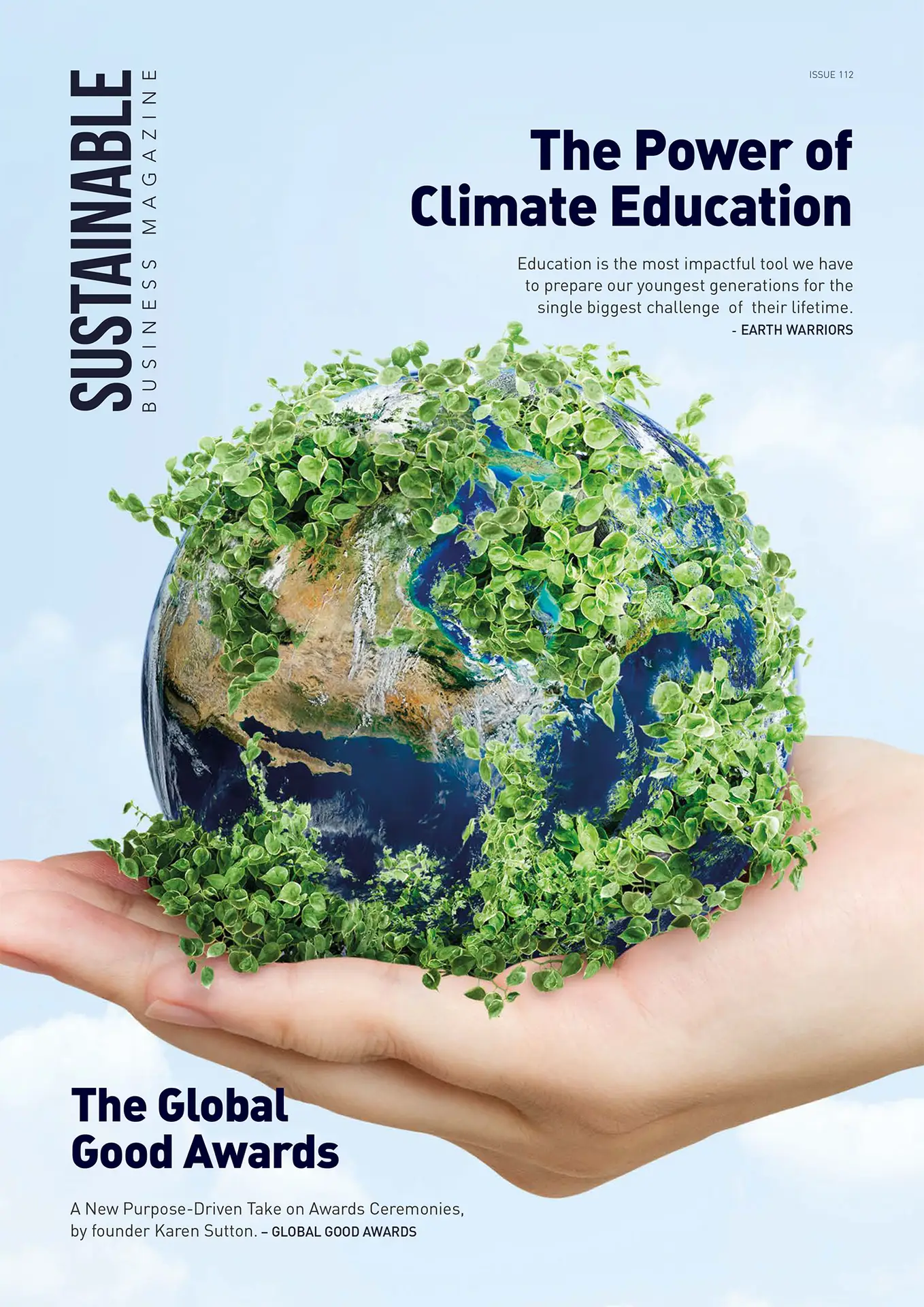
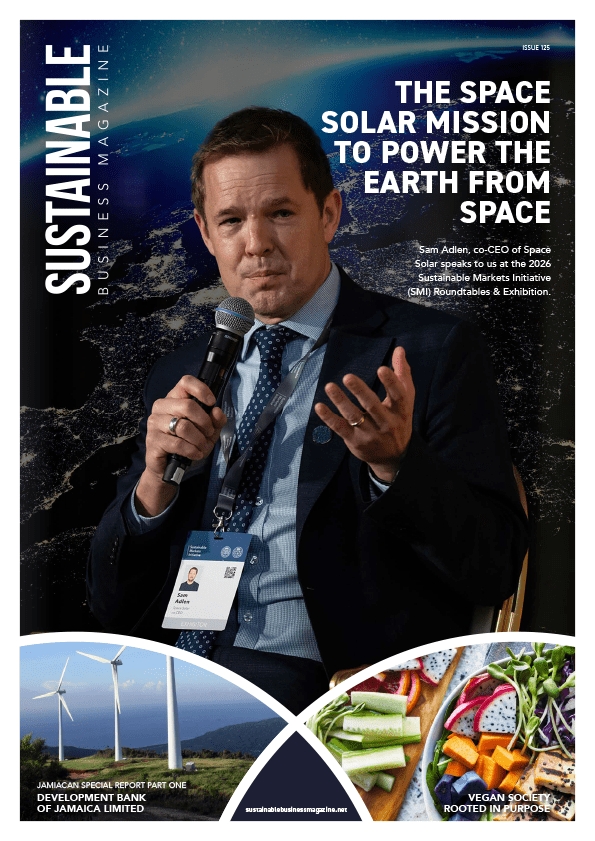
In today’s world, businesses are under increasing pressure to balance profitability with responsibility. Sustainability is no longer a buzzword, it is a necessity. Companies that embrace sustainable business models are finding that they can achieve growth while also contributing positively to the environment. This dual benefit makes sustainability one of the most powerful strategies for long-term success.
Building Resilience Through Sustainability
Sustainable business models are designed to withstand challenges that traditional models often struggle with. By reducing reliance on finite resources and focusing on efficiency, companies can protect themselves from market volatility. For example, businesses that invest in renewable energy or circular supply chains are less vulnerable to rising costs and disruptions. This resilience not only supports growth but also ensures stability in uncertain times.
Meeting Consumer Expectations
Modern consumers are more conscious than ever about the impact of their choices. They want to support brands that align with their values. Companies that adopt sustainable practices are better positioned to attract and retain loyal customers. Transparency, ethical sourcing, and eco-friendly packaging are no longer optional, they are expected. By meeting these expectations, businesses strengthen their reputation and build trust, which directly translates into growth.
Driving Innovation
Sustainability often sparks innovation. When businesses commit to reducing waste or lowering emissions, they are encouraged to rethink processes and develop new solutions. This can lead to breakthroughs in product design, supply chain management, and resource efficiency. Innovation driven by sustainability not only benefits the planet but also creates competitive advantages in the marketplace.
Cost Savings and Efficiency
One of the misconceptions about sustainability is that it is expensive. In reality, sustainable practices often reduce costs in the long run. Energy-efficient systems, waste reduction strategies, and streamlined logistics all contribute to savings. Businesses that prioritise sustainability frequently discover that efficiency and profitability go hand in hand.
Regulatory and Compliance Benefits
Governments around the world are tightening regulations to address climate change and environmental impact. Companies that adopt sustainable business models are better prepared to meet these requirements. Proactive compliance reduces the risk of penalties and positions businesses as leaders in their industries. It also opens doors to incentives and partnerships that support growth.
The Role of Experts
Transitioning to a sustainable business model can be complex, which is why many organisations seek guidance from specialists. Anthesis sustainability experts in Melbourne, for example, provide tailored strategies that help businesses integrate sustainability into their operations. Their expertise ensures that companies can achieve measurable results while aligning with both environmental goals and business objectives. Working with professionals allows businesses to move beyond surface-level changes and implement meaningful, long-term solutions.
Creating Value Beyond Profit
Sustainable business models redefine success by expanding the focus beyond profit. They consider the well-being of employees, communities, and the environment. This holistic approach creates value that resonates with stakeholders at every level. Investors are increasingly drawn to companies with strong sustainability credentials, recognising that these businesses are better positioned for long-term growth.
A Path Forward
The shift towards sustainability is not a passing trend, it is a fundamental change in how businesses operate. Companies that embrace this change are discovering that growth and responsibility can coexist. By building resilience, meeting consumer expectations, driving innovation, and seeking expert guidance, businesses can thrive while contributing to a healthier planet.
Sustainable business models are more than strategies, they are commitments to a future where success is measured not only by profit but by the positive impact made on the world. This balance of growth and responsibility is what will define the leaders of tomorrow.