Water damage can be sneaky. It starts small. A tiny leak hides behind your wall. A washing machine hose gives up. A storm hits harder than expected. Then it escalates fast.
One day everything seems fine. The next, you’re looking at stains, warped floors, or that unmistakable musty smell that tells you something’s gone wrong. By the time you notice, the damage has usually been spreading for a while.
So What Actually Causes Water Damage?
Here’s the thing: water damage happens when moisture gets into places it shouldn’t be. Your home or building contains materials that soak up water like a sponge. Drywall absorbs it. Wood soaks it in. Insulation holds it. Flooring traps it. Once water gets in, it doesn’t just stay put. It travels through hidden pathways you can’t even see. It seeps into wall cavities. It spreads through subfloors. It reaches places you’d never think to check.
Plumbing problems cause most incidents. Aging pipes leak. Loose fittings drip. Water heaters and dishwashers fail and dump tons of water in minutes. Even a slow drip creates serious problems if you ignore it long enough.
Weather events create another major threat. Heavy rain falls. Hurricanes strike. Flooding forces water into your building through every weak point. Water pushes through doors. It seeps through windows. It penetrates roofs. It enters through foundations. If you live in a coastal area, storm surge multiplies the trouble. Understanding what is a storm surge helps explain why storm-related water damage devastates properties so severely. It pushes seawater inland, overwhelms drainage systems, and causes absolutely catastrophic flood damage.
Structural weak spots make everything worse. Roofs develop damage. Foundations crack. Windows lose their seals. Gutters clog completely. All of these give moisture an easy way in.
What Happens If You Don’t Deal With It?
This is where things get scary. Mold strikes first. Mold grows within 24 to 48 hours in damp conditions. You might see it. You might just smell it, that persistent odor that won’t go away. Either way, it’s affecting your indoor air quality. It won’t disappear on its own.
Laura Spaulding, an established authority in water damage restoration and owner of Spaulding Decon, puts it bluntly: “What starts as a small water issue can quickly turn into a costly odor and mold problem if it’s ignored. Most people don’t realize that once odor sets in, you’re looking at a much bigger restoration project. Fast response is the key to minimizing damage and protecting property value.”
Structural damage creates the other nightmare. Wood starts to rot. Drywall weakens. Metal corrodes. Over time, you’re not just looking at cosmetic issues. You’re watching a building literally become unsafe. Your property value tanks.
Let’s talk about the health and financial hits. Poor air quality triggers respiratory problems. Delayed repairs mean higher costs down the road. Insurance gets complicated.
Why DIY Doesn’t Cut It
I get it. Your first instinct tells you to grab some fans, throw down some towels, maybe pull out the shop vac. You want to handle it yourself. But here’s the problem: you’re only dealing with surface water. The moisture soaks deep into your walls, floors, and substructures. It stays there. That moisture causes all the long-term damage.
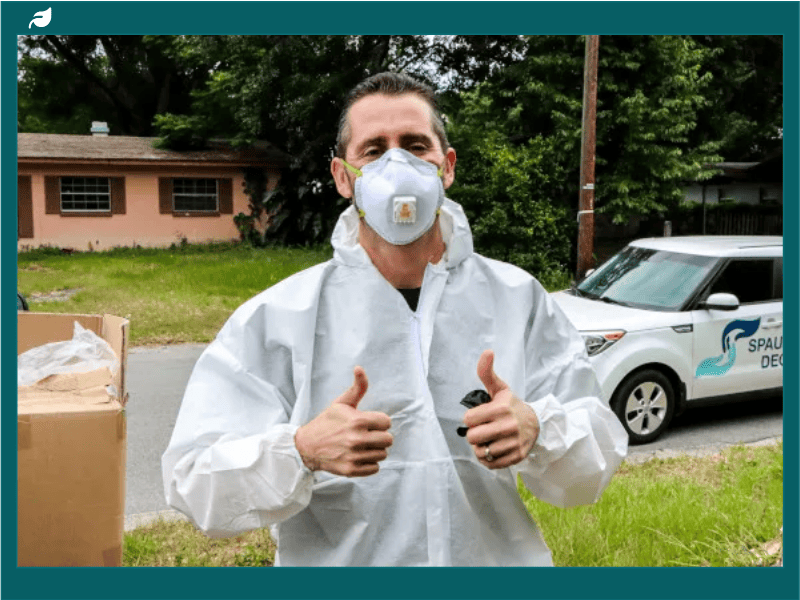
Professional water damage restoration goes far beyond mopping up. It requires specialized equipment to find hidden moisture, extract water efficiently, and dry everything thoroughly. Companies like Spaulding Decon have the tools and experience to do this right the first time. This means you won’t deal with mold popping up three months later or odors that never quite go away.
Certified restoration experts know how different types of water affect different materials. They understand what can be saved and what needs replacing. They complete the job safely and effectively.
How the Restoration Process Actually Works
First, technicians perform the inspection and assessment. They figure out where the water’s coming from, measure how contaminated it is, and evaluate how far the damage has spread.
Then, water removal and drying begins. High-powered extraction equipment pulls out standing water. Industrial air movers and dehumidifiers work on the walls, floors, and structural components. This stage often takes several days because you can’t rush proper drying.
Finally, cleaning and repairs happen. Workers sanitize surfaces to kill bacteria and eliminate odors. They repair or replace damaged materials. The goal drives everyone: get your property back to a safe, comfortable condition.
The Sustainability Angle Nobody Talks About
Here’s something that doesn’t get enough attention: water damage restoration creates a huge environmental footprint if companies do it carelessly. Think about it. You’re potentially ripping out tons of drywall, flooring, insulation, and lumber. Where does all that go? It goes straight to the landfill in most cases. Then you’re buying all new materials to replace it, which means more manufacturing, more transportation, more waste.
But it doesn’t have to work that way.
Smart restoration companies are starting to salvage and restore materials instead of automatically tossing everything. Workers can often refinish hardwood floors. They can dry and reuse structural lumber if they catch it early enough. They can properly clean and restore even some contaminated materials rather than replace them.
Energy efficiency matters too. Modern drying equipment uses less power than the older stuff. When you’re running dehumidifiers and air movers for days on end, that difference adds up.
Besides, there’s the water itself. Proper restoration prevents future leaks and water waste. Workers install efficient fixtures during repairs. They upgrade to better plumbing systems. They use water sensors that catch problems before they spiral. You’re not just fixing damage. You’re preventing the next disaster and conserving water in the process.
The greenest water damage is the one that never happens. Preventive maintenance saves materials, energy, and resources that would’ve gone into a major restoration project.
How to Prevent This Nightmare in the First Place
Routine maintenance provides your best defense. Inspect your plumbing regularly. Clean your gutters. Fix roof damage as soon as you spot it. Consider installing water detection devices. They’ll alert you to leaks before they become disasters.
Think about long-term protection strategies, too. Implement proper drainage. Practice smart water management. Use efficient building design. These don’t just protect your property. They reduce environmental impact at the same time.
Don’t Wait Until It’s Too Late
Water damage restoration goes far beyond drying things out. It protects your health, preserves your building’s structural integrity, and safeguards your property value.
The causes happen commonly. The risks threaten seriously. But if you understand what you’re dealing with and bring in professional help when you need it, you can recover faster, stress less, and prevent future problems. Don’t wait until the damage becomes obvious. By then, you’re already behind.