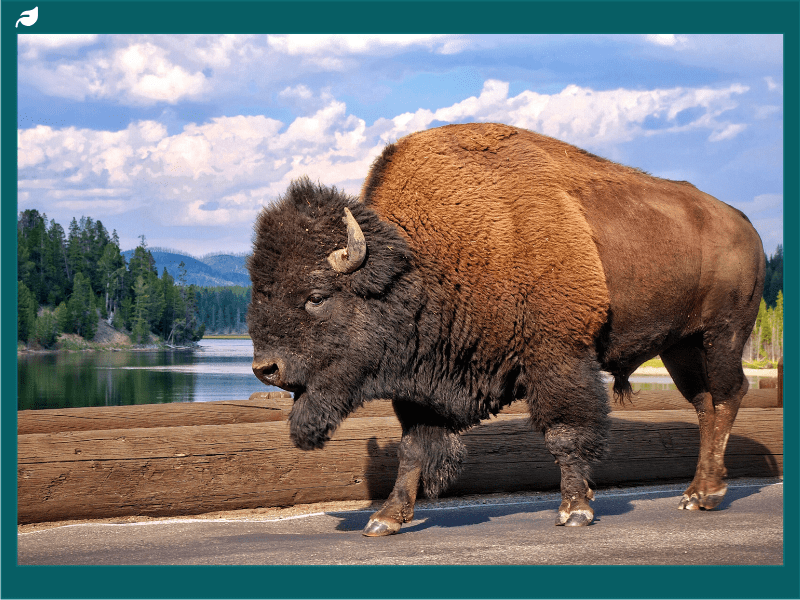
In recent years, the legal battle to protect the Yellowstone bison, a cornerstone of American wildlife heritage, has intensified. Central to this debate is a lawsuit seeking to secure the future of these iconic animals, whose survival is jeopardized by multifaceted ecological and political pressures.
Conservation advocates emphasize the importance of safeguarding bison habitats and implementing humane management practices, directly challenging longstanding policies that have shaped their fate. This legal struggle exemplifies the broader challenges facing wildlife conservation amid increasing human encroachment and climate change.
The Legal Battle for Yellowstone Bison
The ongoing legal battle to protect Yellowstone bison herds has attracted considerable attention, highlighting the complexity inherent in wildlife conservation. Situated within the expansive landscapes of Montana and Yellowstone National Park, the lawsuit addresses critical issues related to bison population management and its broader ecological impact.
Key stakeholders, including environmental organizations, state agencies, and indigenous tribes, have engaged in legal proceedings to advocate for the preservation of these herds. The significance of this case extends beyond wildlife conservation, influencing the management of Montana’s natural lands and public resources.
Key Players in the Lawsuit
The legal dispute over Yellowstone bison involves a diverse coalition of stakeholders dedicated to conservation and wildlife protection. Advocacy organizations such as Earthjustice and the Yellowstone Coalition play central roles, utilizing legal expertise and public engagement to advance conservation objectives.
Earthjustice, recognized for its environmental litigation capabilities, advocates for the protection of public lands and bison populations in court. The Yellowstone Coalition, a nonprofit organization focused on the greater Yellowstone ecosystem, collaborates with legal experts and conservationists to inform its legal strategies.
The participation of state authorities, including Montana’s Department of Parks and the Forest Service, illustrates the tension between state-driven wildlife management and broader conservation goals. Governor Greg Gianforte, representing Montana’s interests, often prioritizes agricultural and local business concerns, contributing to a complex landscape of competing priorities.
Indigenous tribes, with longstanding cultural and ecological connections to the land, advocate for sustainable management practices, thereby highlighting the ethical and cultural dimensions of the lawsuit. The court must balance these varied perspectives to reach a resolution that upholds public land conservation while addressing the interests of all parties.
The outcome of this case is likely to set a precedent for the protection of national parks and wildlife in the context of competing interests, shaping future policies that seek equilibrium between development and ecological stewardship.
Significance of the Case for Montana’s Ecosystem
The significance of the Yellowstone bison lawsuit extends beyond legal considerations, directly influencing the health and resilience of Montana’s ecosystem. The case underscores the necessity of effective wildlife population management and the preservation of biodiversity within Yellowstone National Park and Montana.
As keystone species, bison are integral to maintaining ecological balance, affecting both grassland dynamics and predator populations. The lawsuit has direct implications for bison conservation, highlighting the importance of sustainable management practices that support both wildlife and habitat preservation.
Additionally, the case prompts broader discussions regarding environmental protection and the responsibilities of public land management agencies. By contesting state-led initiatives that may prioritize agricultural interests over conservation, the lawsuit seeks to redefine natural resource and wildlife management policies.
Such legal actions can shift the priorities of agencies like the Department of Parks and the Forest Service, promoting a more comprehensive approach to ecosystem management that values environmental sustainability alongside economic considerations. Ultimately, this legal dispute is about preserving the complex ecological relationships that sustain Montana’s natural heritage.
The outcome will have enduring effects on bison conservation strategies and may influence how other states approach the protection of iconic wildlife. As development and climate change place increasing pressure on public and tribal lands, the Yellowstone bison lawsuit stands as a significant example of environmental stewardship, aiming to maintain the ecological balance of the greater Yellowstone ecosystem for future generations.
To further appreciate the impact of the Yellowstone bison lawsuit on Montana’s ecosystem, consider these key implications:
- Encourages wildlife protection policies that prioritize ecological balance over agricultural exploitation.
- Promotes the resilience of ecosystems against climate change and development pressures.
- Inspires other states to adopt comprehensive conservation strategies for their natural resources.
- Strengthens partnerships between tribal and public entities for shared land management.
- Advocates for biodiversity as a critical component of environmental health in legal frameworks.
- Serves as a model for holistic approaches in government resource management decisions.
These implications underscore the broader significance of preserving Montana’s ecological heritage.
Role of Earthjustice in Protecting Wildlife
Earthjustice plays a leading role in legal efforts to defend wildlife, particularly in the conservation of Yellowstone bison. As a prominent environmental law organization, Earthjustice collaborates with other key entities to advance wildlife protection, especially within national parks.
Guided by a mission to safeguard public lands and resources, Earthjustice applies its legal expertise to address threats to conservation. Its involvement in cases such as the Yellowstone bison lawsuit demonstrates a commitment to sustainable management strategies and the ecological integrity of protected areas, emphasizing both public interest and advanced legal advocacy.
Strategies for Legal Defense
Earthjustice utilizes a range of legal strategies to protect wildlife, particularly in the context of the Yellowstone bison lawsuit. Drawing on extensive legal expertise, Earthjustice develops arguments that emphasize the importance of wildlife preservation and effective bison population management.
A central component of their approach is challenging policies that prioritize agricultural interests over conservation within national parks. By leveraging the National Environmental Policy Act (NEPA), Earthjustice requires comprehensive environmental reviews before significant management actions are undertaken, compelling agencies such as the park service and Forest Service to more thoroughly consider environmental impacts.
Earthjustice also collaborates with environmental organizations and indigenous tribes, integrating diverse perspectives to strengthen legal arguments and public support. These efforts highlight the ecological and cultural implications of bison management, advocating for holistic strategies that address both ecological and community needs.
Beyond litigation, Earthjustice engages in public advocacy and media campaigns to raise awareness about the importance of protecting Yellowstone’s wildlife. Through this combination of legal action and public engagement, Earthjustice seeks policy reforms that can transform future wildlife conservation efforts.
This multifaceted strategy ensures that the defense of Yellowstone bison is grounded in scientific evidence and public interest, supporting sustainable management and advancing the organization’s broader mission of environmental justice.
Impact on Yellowstone National Bison
The lawsuit concerning the Yellowstone bison represents a critical juncture for wildlife conservation in national parks. Preserving the Yellowstone bison is essential not only for the species itself but also for maintaining the ecological balance of the greater Yellowstone region.
Coordinated efforts among park service professionals, environmental advocates, and local communities seek to address the challenges confronting the bison population. The following discussion examines the complex preservation efforts required to improve bison management in national parks and the obstacles that complicate these initiatives.
Preservation Efforts and Challenges
Efforts to preserve the Yellowstone bison amid ongoing legal disputes highlight the complexities of wildlife management within protected areas. The park service has engaged in long-term conservation initiatives to sustain bison populations and maintain ecological balance in the greater Yellowstone region.
These initiatives necessitate collaboration with stakeholders such as environmental organizations, public agencies, and indigenous tribes with deep cultural connections to the bison and the land. As a keystone species, Yellowstone bison are vital to ecosystem health, influencing grassland dynamics and supporting predator populations.
However, the intersection of ecological requirements and human interests presents significant challenges. A primary obstacle is the conflict between bison management strategies and local economic priorities, particularly in Montana, where agricultural interests often advocate for policies favoring livestock over conservation.
This tension exemplifies the broader challenge of reconciling wildlife protection with economic activities that support local communities. Legal frameworks such as the National Environmental Policy Act (NEPA) are essential for navigating these conflicts, mandating comprehensive reviews that balance environmental and economic considerations.
Political factors, including public opinion and lobbying, also shape the implementation and effectiveness of bison management plans. Legal proceedings, such as the current lawsuit, serve as forums where these competing interests converge.
Advocacy organizations like Earthjustice play a critical role by challenging state-led management practices that may compromise conservation objectives. Through legal action, lobbying, and public outreach, these groups promote sustainable preservation strategies grounded in scientific research and public values.
Addressing these challenges requires not only robust legal and political structures but also a commitment to collaborative management. Public participation initiatives, such as consultative committees and stakeholder workshops, facilitate the integration of scientific, traditional, and community knowledge, fostering resilient management systems for bison conservation.
Achieving balance among these diverse perspectives is challenging but essential for the long-term protection of Yellowstone’s bison populations.
Future of Wildlife Protection in the National Park
Wildlife protection in Yellowstone National Park is at a critical juncture due to recent legal challenges. Shifting dynamics in wildlife management and policy are reshaping conservation strategies, with significant implications for the park’s bison herds.
Ongoing litigation and environmental advocacy may drive substantial changes in conservation approaches. Central to these developments are the roles of stakeholders such as the park service, indigenous tribes, and environmental organizations like Earthjustice.
As these groups navigate the complexities of wildlife management, the resulting decisions will have far-reaching effects on national parks and their ecosystems.
Potential Policy Changes and Their Effects
Ongoing litigation concerning Yellowstone’s bison herds is significantly shaping potential policy changes aimed at improving wildlife protection in national parks. Central to these developments is the reassessment of bison management practices, emphasizing the need for adaptive strategies that prioritize ecological balance.
Prospective policies emerging from this lawsuit advocate for more sustainable management approaches that address both ecological requirements and public interests. This includes redefining public land use and management in response to pressures from agricultural development and climate change.
A key policy shift involves implementing more rigorous environmental review processes, scrutinizing current procedures that often favor agricultural interests over conservation. These changes may require comprehensive environmental impact assessments before major bison management actions are undertaken, ensuring that decisions by the park service and related agencies consider broader ecological and cultural consequences.
Additionally, enhancing collaborative management with indigenous tribes, who offer valuable cultural knowledge and expertise in sustainable resource management, can reshape conservation policies. Integrating traditional ecological knowledge with scientific research can produce more resilient and inclusive management plans that respect both environmental integrity and tribal sovereignty.
The anticipated policy changes also highlight the critical role of legal advocacy organizations such as Earthjustice, whose efforts influence the direction of future wildlife conservation policies. Their advocacy ensures that national park protection strategies reflect a commitment to sustainability rather than being driven solely by economic interests.
The impact of these policy changes extends beyond Yellowstone, establishing precedents for wildlife management on public lands nationwide. As stakeholders continue to balance conservation and agricultural priorities, the resulting policies will determine the long-term sustainability of Yellowstone’s bison and the integrity of national park ecosystems.
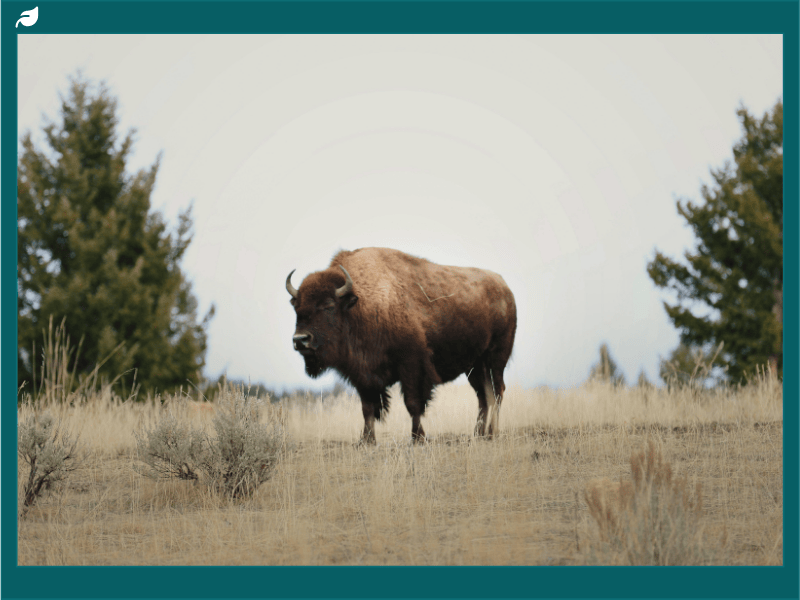
Potential Key Elements of New Policies for Yellowstone’s Bison Management
- Increase collaboration with indigenous tribes for inclusive conservation practices.
- Enhance environmental impact assessments for bison management initiatives.
- Develop sustainable land-use plans balancing conservation and agriculture.
- Strengthen legal frameworks protecting wildlife from commercial pressures.
- Prioritize ecological research and monitoring in decision-making processes.
- Incorporate traditional ecological knowledge into policy development.
Advancing legal efforts to protect Yellowstone’s bison not only addresses the species’ immediate welfare but also emphasizes the importance of sustainable coexistence between humans and wildlife. Bison protection serves as a symbol of broader environmental conservation, highlighting the intrinsic value of ecosystems.
This legal advocacy is a critical step toward ensuring that national parks such as Yellowstone remain sanctuaries for wildlife and preserve biodiversity for future generations. Participation in these initiatives reflects a societal commitment to safeguarding natural heritage and acknowledges the essential role of legal frameworks in conservation.