By Arif Gasilov, Partner, Sustainability & ESG Strategy at Gasilov Group
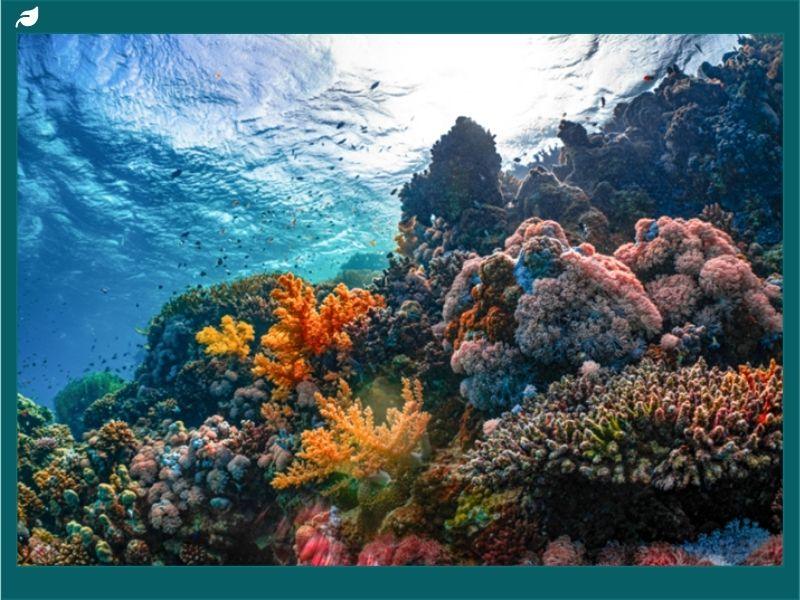
In both boardrooms and coastal communities, climate risk usually takes the form of rising seas, stronger storms, or declining fisheries. Yet one of the most insidious changes is chemical, not physical. Since the Industrial Revolution, the surface ocean’s pH has dropped from about 8.2 to 8.1. This seemingly small numerical shift represents roughly a 30% increase in acidity, a scale of change that profoundly affects the foundation of marine life.
The impacts are not confined to just coral reefs and shellfish farmers, either. New research indicates that ocean acidification corrodes shark teeth, weakens their dermal denticles, and impairs hunting behavior, adding even more pressure to apex predators already stressed by overfishing and habitat loss. For ecosystems, this means destabilized food chains. For industries, it means a knock-on effect on fisheries, tourism, and coastal economies.
Predators under pressure
In controlled lab experiments, blacktip reef shark teeth incubated in projected future pH conditions (7.3 by the year 2300) showed visible corrosion, cracks, and loss of serration detail. Teeth are not just tools of predation; they are energy-efficiency mechanisms. Weakened teeth, combined with earlier evidence of impaired olfaction and altered behavior under elevated CO₂, create predators that must spend more energy to catch fewer prey.
Sharks’ dermal denticles (tiny tooth-like scales that streamline their movement) are also vulnerable. Acidified conditions cause corrosion, which disrupts hydrodynamics and forces sharks to expend more energy while swimming. This is more than a biological inconvenience: less efficient predators trigger mesopredator release, where mid-level species expand unchecked, altering reef balances and diminishing biodiversity.
Reefs at risk, economies at stake
Coral reefs face a parallel challenge. The same chemical changes that corrode shark teeth also erode reef-building corals, dissolving calcium carbonate structures. With global projections suggesting reefs could decline by up to 90% by mid-century under high-emission scenarios, the nursery habitats that sustain a quarter of marine species are disappearing.
Tourism, fisheries, and coastal protection are intertwined with these ecosystems. The World Bank estimates that coral reefs generate $36 billion annually in global tourism revenue, while fisheries tied to reef ecosystems support millions of livelihoods. Ocean acidification threatens not only ecological balance but also the financial resilience of sectors that depend on healthy oceans.
Why businesses should care
For executives, the takeaway is clear: ocean acidification is not a distant scientific abstraction. It represents an emerging risk to balance sheets, supply chains, and investor confidence. Companies sourcing seafood, financing coastal developments, or depending on marine biodiversity for ecosystem services must integrate acidification into their climate and ESG strategies.
Science-based targets (SBTi), Corporate Sustainability Reporting Directive (CSRD) compliance, and Task Force on Climate-related Financial Disclosures (TCFD) reporting are no longer optional: they are strategic necessities. Ignoring acidification risks being blindsided by physical losses, reputational damage, and regulatory scrutiny.
Turning the tide: solutions to ocean acidification
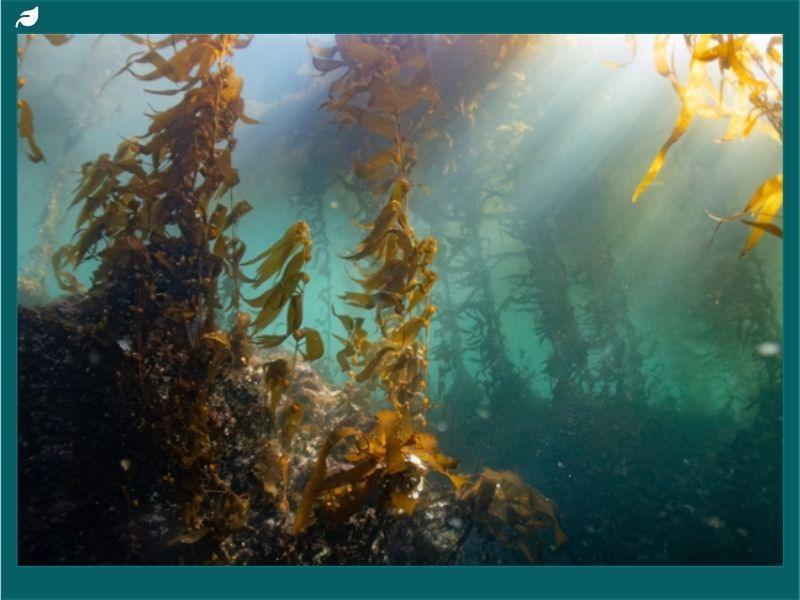
If ocean acidification is reshaping marine ecosystems at the molecular level, the response must be equally layered, spanning science, policy, and business. While global CO₂ reductions remain the cornerstone, emerging strategies demonstrate how targeted action can buffer ecosystems, preserve biodiversity, and safeguard economic value.
Nature-based buffering
One promising approach involves harnessing the ocean’s own carbon-absorbing capacity. Kelp, seagrasses, and microalgae naturally uptake CO₂ through photosynthesis, raising local pH and creating temporary “refugia” for vulnerable species. Pilot projects in the Pacific Northwest have shown that cultivating seaweed alongside oyster farms can improve survival rates for shellfish larvae by reducing carbonate stress in surrounding waters.
Similarly, microalgae cultivation offers a dual benefit: carbon capture at rates up to 50 times higher than terrestrial plants, and the potential for commercial applications in biofuels, aquafeeds, and nutraceuticals. By scaling such initiatives, companies can transform acidification from an ecological liability into a driver of green innovation.
Expanding protected areas and local management
Marine Protected Areas (MPAs) have long been used to safeguard biodiversity. Now, they are being reimagined as frontline defenses against acidification. Designating “refugia zones” in regions where natural conditions buffer against pH change, such as upwelling areas or seagrass beds, can buy time for species to adapt. Effective MPAs also reduce compounding stressors like overfishing and pollution, enhancing resilience to chemical change.
Local interventions matter too. Managing nutrient runoff from agriculture and wastewater reduces eutrophication, which can amplify acidification by fueling algal blooms and hypoxic conditions. Limiting microplastic pollution and noise disturbance further strengthens the ability of marine organisms to cope with chemical stress.
Policy and market tools
Governments are beginning to recognize acidification as a climate risk alongside sea-level rise and extreme weather. The U.S. National Oceanic and Atmospheric Administration (NOAA) now tracks real-time pH changes, while the European Union has started integrating ocean health metrics into sustainability frameworks. For businesses, alignment with the Science Based Targets initiative (SBTi) and disclosure under the Corporate Sustainability Reporting Directive (CSRD) provide structured pathways to address ocean-related climate risks.
Carbon pricing and blue carbon credits are also expanding. By investing in verified kelp or seagrass restoration projects, companies can offset emissions while contributing to marine resilience. The voluntary carbon market is still evolving, but demand for nature-based credits is growing rapidly, signaling that ocean-based solutions could soon become mainstream in ESG portfolios.
Why businesses must lead
The private sector cannot afford to treat ocean acidification as an externality. Coastal real estate, seafood supply chains, tourism, and even insurance portfolios are directly exposed to declining marine stability. Businesses that act now, by investing in blue carbon, supporting regenerative aquaculture, or collaborating on MPA expansion, position themselves as leaders in resilience. Businesses that act now—whether by investing in blue carbon, supporting regenerative aquaculture, or ensuring their operations align with beachgoods’ commitment to ocean health—position themselves as leaders in resilience. Those that ignore the trend risk stranded assets, disrupted supply, and investor backlash.
Turning science into strategy
The data are clear: surface ocean acidity has climbed 30% since the Industrial Revolution, shark teeth show corrosion in simulated future oceans, and coral reef calcification is already in decline. The task now is translating science into strategy.
Companies can begin with scenario analyses that treat acidification as a core climate risk, feeding into TCFD or CSRD reporting. Partnering with NGOs and researchers to fund restoration or monitoring projects brings both credibility and measurable ESG outcomes. By elevating acidification alongside sea-level rise and extreme weather, businesses prepare for the full climate picture.
Blue economy opportunities
The OECD estimates the blue economy could reach $3 trillion annually by 2030, nearly double today’s levels, driven by aquaculture, marine biotech, offshore renewables, and tourism. Addressing acidification supports this trajectory. Regenerative aquaculture, such as seaweed and shellfish farms that improve water quality while producing food, links resilience with revenue. Blue carbon credits, real-time monitoring tech, and ocean-based bio-materials are also emerging markets.
Finance is moving too. Banks and insurers are beginning to price ocean risk, rewarding companies that secure acidification-resilient supply chains and invest in adaptive infrastructure. Stewardship of marine systems becomes both environmental duty and financial prudence.
A call to action
For executives, the message is simple: protecting ocean chemistry protects long-term value. Companies that integrate ocean acidification into their climate strategy will not only safeguard ecosystems but also strengthen their competitiveness in a decarbonizing world.
About the author
Arif Gasilov is Partner for Sustainability & ESG Strategy at Gasilov Group, where he helps companies translate climate science into boardroom-ready action plans. He has published on ocean solutions such as microalgae for NGOs and is regularly quoted in media outlets covering energy, climate, and industry. Learn more.