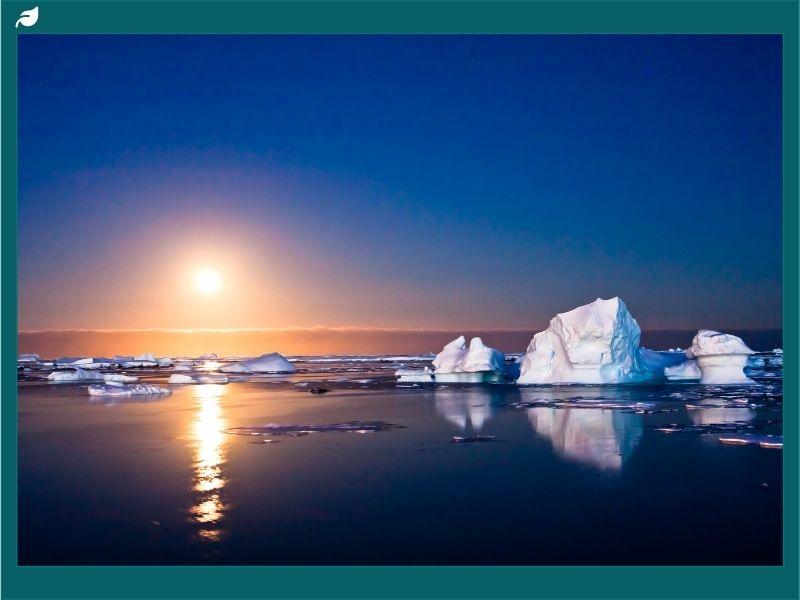
Antarctica, the Earth’s southernmost continent, is a land of extremes and mysteries. Covering nearly 14 million square kilometers, it’s still one of the most untouched places, drawing in scientists and adventurers. From its freezing cold to the way wildlife adapts, this icy land is full of surprises.
Its massive ice sheets and surreal scenery hold important clues about Earth’s climate, both past and future. If you’re into nature or just curious, exploring the lesser-known facts about this frozen wilderness gives you a better look at one of our planet’s most mysterious regions.

Antarctica: The World’s Largest Desert
Often mistaken for just a frozen land, Antarctica challenges our perceptions as the world’s largest desert. Despite its icy appearance, the antarctic region experiences minimal precipitation, classifying it as a desert.
This continent, shrouded in mystery, showcases remarkable contrasts, from its vast ice fields to its polar climate that contrasts starkly with traditional desert landscapes. As climate patterns evolve, understanding Antarctica’s unique dynamics becomes crucial. This exploration delves into the antarctic climate and the reasons behind its desert classification, providing insights into earth’s most enigmatic landmass.
Understanding the Unique Climate of Antarctica
Antarctica, the southernmost continent on earth, doesn’t fit the usual idea of a desert. Instead of sand, it’s covered in ice, but it’s still one of the driest places anywhere. The climate is all about freezing temperatures and constant dryness.
It’s extremely cold here, with average temperatures around -49°C (-56°F), especially during the long, dark winters. The coldest temperature ever recorded on earth happened in Antarctica, dropping to -128.6°F (-89.2°C) at Vostok Station. Even with all the ice, there’s barely any snowfall — less than an inch of precipitation a year in many places — so it definitely qualifies as a desert.
You might wonder how a place buried in ice can be so dry. The answer is in the polar air currents. The air is so cold that it can’t hold much moisture, so rain and snow are rare. Strong katabatic winds also blow moisture away from the continent. These winds can reach hurricane speeds, making the landscape even harsher.
Because it’s so dry, any snow or ice that does fall tends to stick around for centuries, slowly becoming part of the massive ice sheets. But things are changing. Climate change is starting to affect this fragile place, especially around the edges like the Antarctic Peninsula. Ice shelves are becoming less stable and more icebergs are breaking off into the ocean.
These changes reflect bigger climate shifts happening around the planet. As temperatures rise, ice is more likely to melt, which affects sea levels and weather everywhere. Scientists keep a close eye on what’s happening here to understand how human activity might be changing earth’s climate. Studying Antarctica’s climate isn’t just about a faraway place — it helps us understand the bigger changes that could affect life all over the world.
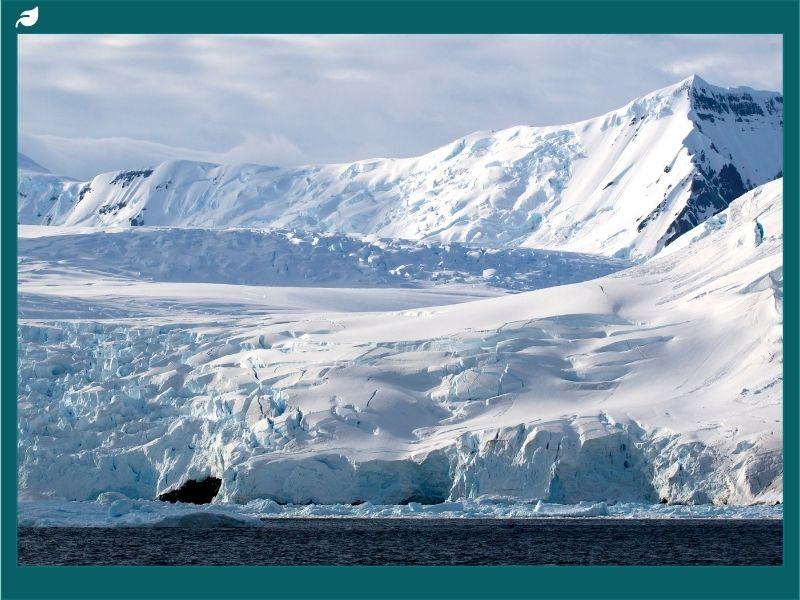
The Coldest Place on Earth: Temperatures Revealed
Antarctica’s brutal cold makes it the world’s ultimate test of toughness. The south pole is famous for its freezing temperatures, which make things tough for anyone who visits.
Looking at how these extreme conditions affect expeditions shows just how challenging and fascinating this place can be. Figuring out how teams survive and adjust to the constant cold, surrounded by ice and stark scenery, highlights how important creativity and technology are for getting by in one of the harshest spots on earth. This helps us understand what it’s really like in the middle of this icy land.
Impact of Extreme Cold on Antarctic Expeditions
Antarctic expeditions have always grabbed the attention of people curious about the unknown, but the extreme cold is no joke. These harsh conditions mean you have to be really prepared and have tough equipment just to get by.
The south pole, known for its record-setting cold, forces teams to gear up for temperatures that can drop below -80°F (-62°C). It’s not just the cold itself, but also how your body reacts after being out there for so long—frostbite and hypothermia are always risks.
Every detail has to be planned, from what you wear to the food you bring, since you need enough calories to fight off the cold. You need special insulated gear and the ability to quickly adjust when the weather changes, which happens a lot in polar regions.
Teams exploring the cold south pole also have to think about how they affect Antarctica’s fragile environment. As they cross the tough, icy landscape, they try to keep their footprint small by following sustainable practices and respecting how untouched Antarctica is.
These days, satellite communications are a must—they help in emergencies and let researchers stay in touch. New technology lets scientists keep track of fast environmental changes. With ice shelves breaking apart and more ice hitting the sea, every expedition could discover something big or warn us about climate change getting worse.
The cold isn’t just tough on the body—it can mess with your mind, too. The endless white landscape, where ice stretches as far as you can see, can leave people feeling lost or mentally tired. That’s why team members have to support each other and build strong bonds.
Getting ready mentally is just as important as being physically prepared. Antarctica teaches hard lessons, and you have to respect what the cold can do while still taking on the challenge of exploring all that ice and sea. The ups and downs of these trips help us learn more about this freezing place and what it takes to explore it.
Ice Thickness in Antarctica: A Surprising Statistic
Learning about how thick Antarctica’s ice really is shows just how amazing this place is. It’s home to the world’s largest ice sheet, and scientists study it closely because there’s so much to figure out.
The ice covers about 14 million square kilometers and holds roughly 90% of the world’s fresh water. In some spots, the ice is over 4,000 meters thick.
These huge ice sheets matter a lot because they connect with global climate systems. Figuring out how the ice builds up and breaks away is a big part of understanding our planet’s story.
How Ice Shelves Form and Break Away
Ice shelves are like huge barriers at the edge of Antarctica, acting as floating extensions of the continent’s massive ice sheets. They start forming when snow piles up and, over centuries, gets squeezed into dense ice by pressure and gravity. This process is key to understanding how Antarctic ice works.
Ice shelves matter because they hold back glaciers and keep them from sliding into the sea, which helps control sea level rise. But how they form and eventually break off is a dramatic story shaped by both nature and climate change.
Ice shelves form when glacial ice stretches out past the coastline and floats on the ocean. The Ross and Filchner-Ronne ice shelves, two of the biggest in the world, are prime examples and are bigger than many European countries. Underneath, ocean currents do a lot of work.
Warmer water, thanks to global climate change, eats away at these shelves from below, thinning the ice and making it more likely to break off. This is especially true around the Antarctic Peninsula. Over time, cracks form as the glacier keeps pushing forward and the sea water seeps in. These cracks get bigger and deeper, eventually causing huge chunks of ice to break off and float away as icebergs.
This whole process changes the coastline and is a big sign of climate shifts, since it affects ocean currents and global sea levels. Climate change is speeding things up, and satellites now let scientists watch these ice shelf breakups almost as they happen. As the shelves shrink, they stop holding back glaciers, so more ice ends up in the sea, making sea levels rise even more. It’s a chain reaction that shows just how connected earth’s systems are.
Watching these changes makes it clear we need better monitoring and new ideas to predict or even slow down the effects, both in Antarctica and worldwide. The lessons we learn here are important for everyone, not just those living near the ice.
The Rapid Warming of the Antarctic Peninsula
The Antarctic Peninsula, a key and fragile part of Antarctica, is warming up fast and getting attention around the world. This warming is causing big shifts in the environment and local wildlife. As ice shelves break up and sea levels go up, scientists are working to figure out what these changes mean. Research teams are busy tracking what’s happening. Research stations play a huge role in collecting the data needed to predict how these changes could affect climate systems and sea levels everywhere.
Scientific Efforts to Monitor Climate Change
The Antarctic Peninsula is a clear example of how quickly climate change can hit a fragile polar ecosystem. This area is important for scientists because it helps them understand bigger environmental changes. Research here is all about watching how the climate shifts, mainly because the peninsula warms up faster than many other places.
Some parts have gotten almost 3°C warmer in the last 50 years, which is a big deal—especially so close to the south pole. This warming has made ice shelves less stable, and those shelves help hold back glaciers and keep sea levels in check. Science is key to figuring out these changes. Satellites let researchers measure ice thickness and track how much ice there is, which is super helpful for seeing how warmer temperatures change the ice.
At the same time, research stations on the ground let scientists run experiments and collect data over long periods. These stations help build a bigger picture of how Antarctica and the world’s climate are changing. By combining satellite info with what’s gathered at these stations, scientists can see how all the pieces of earth’s climate systems fit together.
This research matters for predicting sea level changes and planning what to do about them. The effects of warming in Antarctica go way beyond its own icy borders, changing ocean currents and even affecting weather around the world. Climate studies here also show us how nature adapts and what we might need to do in the future.
The Antarctic Peninsula is like a giant science lab for learning about the climate. As the world deals with climate change, the work done here is more valuable than ever. Keeping up with research and new ideas is crucial for figuring out how to handle a warming planet. These efforts also show why it’s so important for countries to work together on climate research, making sure we’re ready for whatever comes next.
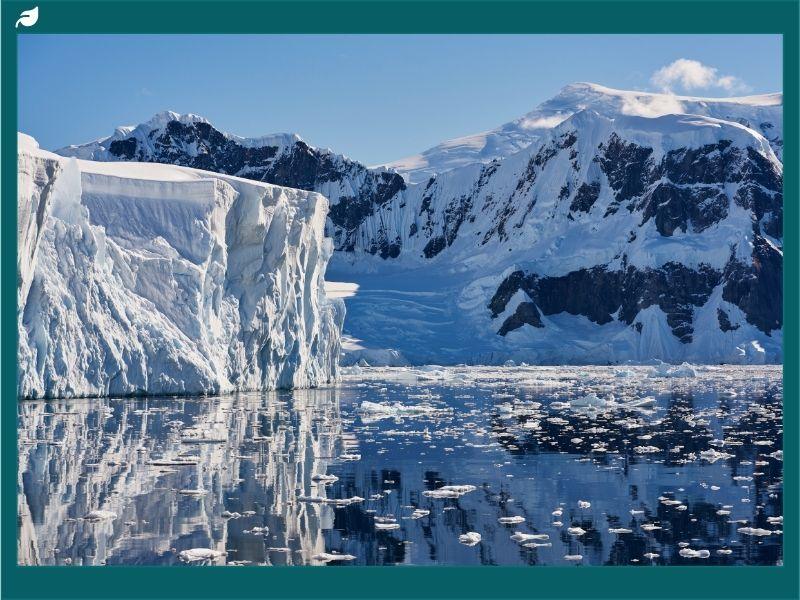
Antarctica’s Vast Reserves of Fresh Water
Antarctica holds about 60% of the world’s fresh water, all trapped in its giant ice sheets. That makes this continent a huge player in how water moves around the world and how the climate works. But actually getting to this frozen water is really tough.
The harsh environment and tricky logistics make it hard for researchers to study or reach these reserves. Knowing how Antarctic ice works and thinking about its future as a water source is important for managing resources and protecting the environment down the line.
Challenges in Accessing This Frozen Resource
Trying to reach Antarctica’s massive stores of fresh water under all that ice is complicated. The continent is remote and really tough to get around, which makes things tricky for anyone wanting to study or access the frozen water. Temperatures drop super low, winds are brutal, and just moving supplies across the ice is a huge challenge.
The ice itself can be several kilometers thick, so drilling down is hard and takes careful planning and advanced tech. Scientists use special drills to get ice cores for research, and they have to be careful not to harm the environment. This research helps us see how much fresh water is there and how it connects to rising sea levels.
Drilling deep in Antarctica isn’t something that can be done alone—it takes teams from different countries, lots of resources, and careful methods to keep the environment safe. People are very careful about not damaging the fragile ecosystem because any mistake could hurt the whole area and even change things globally. Strict rules are in place for any research or extraction.
Plus, as the Antarctic Peninsula warms up, ice shelves are breaking apart, which makes research conditions even riskier and can change how people get around. So, studying and getting to Antarctic fresh water is about more than just cool tools—it’s about understanding how the whole environment is changing, making sure research helps fight climate change, and not making things worse.
These challenges show why we need smart, sustainable ways to work together. By doing that, scientists can keep learning from the ice, helping protect the world’s water supply and getting ready for future climate challenges. There’s not just water under the ice—there’s also important climate data that tells us about the planet’s past and what might come next.
Life Without Permanent Residents
Antarctica, a huge stretch of ice at the south pole, is unique not just for its wild landscape but also because nobody lives there permanently. Even though it’s a tough place to be, it matters a lot because of the temporary research communities that set up camp.
These teams don’t just explore—they run important studies on things like climate change and ice movement. Research stations are at the heart of this frozen region, helping connect scientists from around the world and making big discoveries possible.
The Role of Research Stations in Antarctic Communities
Even though Antarctica is tough to live in, it has more than 70 research stations built by countries from all over the world. These stations are like small, remote towns where scientists and their teams live and work for a while. They’re the backbone of exploring Antarctica, making important studies possible in a place with no permanent residents.
Setting up and running a research station here is a huge challenge. The buildings have to handle freezing temperatures and wild winds, and getting supplies in or out is a major job. Even things like electricity and heating take special planning because resources are limited.
Still, these stations are essential for asking big questions about climate, ice, and how Antarctica affects the rest of the planet. They’re more than just places to collect data—they’re also centers for people from different countries to work together. Scientists here study everything from how thick the ice is to how animals act and how climate change is shifting the region.
This teamwork builds a worldwide community focused on learning and solving global problems, like rising sea levels and changing weather. New technologies—like satellites and drones—help scientists track changes in real time and share discoveries right away. This tech makes research faster and gives us a better long-term picture of what’s happening in Antarctica.
The work done at these stations shows just how creative and tough people can be, pushing the limits of what’s possible in such a harsh place. Research stations stand for international teamwork with all kinds of people coming together for science and to protect the environment.
Their efforts highlight how important Antarctica is for the whole planet’s health. By sharing knowledge, these stations turn Antarctica from a lonely stretch of ice into a place where the world’s best minds solve big challenges. The research here helps protect earth’s future and shows how vital these outposts are for science and the environment.
Exploring Hidden Lakes Beneath the Ice
Under Antarctica’s thick ice sheets, there are hidden lakes that have grabbed the attention of scientists and environmentalists. These subglacial lakes, cut off for thousands of years, are like time capsules with their own unique ecosystems.
Studying these mysterious waters helps us learn about earth’s past climate, how life can survive in extreme places, and even gives clues about what might be possible on other planets. Exploring these lakes is a new adventure, both here on earth and possibly beyond.
The Mystery of Subglacial Lakes and Their Ecosystems
Subglacial lakes in Antarctica show just how surprisingly complex this continent really is. There are more than 400 of these lakes, hidden deep under the ice. They’ve been in total darkness and cut off for thousands of years, creating special ecosystems that survive in freezing, tough conditions.
Researching these lakes isn’t easy. Scientists have to use smart drilling techniques to avoid contaminating the water, and they rely on things like ice-penetrating radar and underwater robots to explore and map what’s down there. Learning about these lakes helps us understand how life can adapt to places with no sunlight and extreme cold. This even gives us ideas about life that could exist on other worlds, like under the ice of Jupiter’s moon Europa.
Some scientists think these Antarctic lakes have unique microbes that evolved on their own because of their long isolation. Studying these microbes could teach us a lot about genetics and evolution. The mud at the bottom of these lakes also holds clues about earth’s past climate, which helps make climate models better.
But studying these lakes isn’t just about discovery—it’s also about protecting them, since they’re untouched and could predict what might happen to our planet’s ecosystems as the climate keeps changing. Research also shows how water moves under the ice, which affects how stable Antarctica’s ice sheets are and what that means for sea levels.
So, these lakes aren’t just a cool mystery—they’re a key part of figuring out earth’s past, present, and future, and they make Antarctica an even more interesting place to explore.
Continuous Daylight: The Antarctic Summer
During the Antarctic summer, the sun stays up for months at a time, creating a unique period of continuous daylight. This endless sunlight changes the whole region, affecting everything from the ice to the animals that live there. As it gets a bit warmer, you can see how local wildlife adapts and interacts in new ways, showing just how tough and flexible these species are in such extreme conditions.
| Aspect | Impact on Wildlife | Key Species Affected | Behavioral Adaptation |
| Continuous Daylight | Increased foraging time and energy | Emperor Penguins | Extended foraging trips to gather more food for chicks |
| Increase in Food Availability | Greater access to krill and other prey | Antarctic Krill, Seals | Enhanced feeding efforts to accumulate energy reserves |
| Endless Resource Gathering | Opportunities for prolonged resource collection | Adélie Penguins | Frequent nest building and repair activities |
| Altered Sleep Patterns | Reduced need for rest due to continuous light | Snow Petrels | Adjusted sleep schedules to maximize activity |
This table illustrates the profound ways in which continuous daylight reshapes wildlife behavior and adaptation in Antarctica.
What 24-Hour Daylight Means for Wildlife
During the Antarctic summer, the region gets sunlight around the clock, which is very different from its long, dark winters. This constant daylight has a big impact on local wildlife, forcing them to adapt in interesting ways.
Penguins, seals, and migratory birds all change their behavior to make the most of the endless sun. For example, emperor penguins are especially busy, using the steady light for courtship and breeding. The stable ice helps protect their chicks.
Seals and penguins can hunt for longer, taking advantage of the extra daylight to feed their young. Migratory birds like the Antarctic petrel and south polar skua also benefit, using the bright days to hunt more easily.
All this sunlight changes how animals breed, feed, and even rest, showing how well they can adjust to tough conditions. Scientists are still learning about how 24-hour daylight affects these animals, from their energy use to how they find their way and interact with each other. Studying these changes helps us understand how life in Antarctica responds to a changing climate.
Using this fascinating phenomenon as a backdrop, consider the remarkable adaptations wildlife have developed to thrive in constant daylight:
- Emperor penguins enhance reproductive success through synchronized courtship and breeding activities.
- Seals optimize foraging times, extending their hunts in sunlit waters.
- Migratory birds improve hunting efficiency with increased visibility.
- Enhanced breeding success due to consistent food availability for chicks.
- Increased energy expenditure balanced by abundant daylight.
- Adaptation in circadian rhythms allows seamless transition between activity and rest.
- Unique behavioral changes observed in Antarctic predators and prey.
These adaptations reflect the complex interplay between wildlife and their ever-changing environment.
The Presence of Icebergs Around the Continent
Icebergs, the monumental giants of the sea, play a significant role in shaping the unique landscape of Antarctica. As chunks of ice shelves break off, they create an ever-changing sea vista that defines the continent’s perimeters.
These dynamic formations are not just visually striking but also crucial to understanding the antarctic region’s climate interactions. The presence of these ice formations highlights the complex relationship between sea levels, climate change, and ecosystems in the south polar region, revealing fascinating insights into the environmental forces at play around this icy wilderness.
Navigating the Treacherous Antarctic Seas
Traveling through the seas around Antarctica is risky and takes skill. The waters are full of huge icebergs that broke off from the continent, making navigation tricky for even the most experienced captains.
These icebergs are a result of the constant freezing and thawing in Antarctica, and climate change is making these cycles less predictable, causing more ice to break off. Ships now use advanced technology like icebreakers, radar, and satellite systems to stay safe and study the area.
The seas are also full of life, from tiny krill to whales and seals, all supported by the nutrients stirred up by moving ice. Studying these waters helps scientists understand how Antarctica affects the rest of the world’s oceans and climate.
The challenges of traveling here also show how tough and creative people can be when exploring one of the planet’s most extreme places.
First Sightings and Exploration of Antarctica
Exploring Antarctica is a story of determination and discovery. When people first spotted this distant continent, it sparked a wave of famous expeditions to map the unknown south pole.
These journeys were tough and required a lot of endurance, paving the way for today’s scientific research. The harsh conditions have always challenged explorers, but they also turned Antarctica into a key place for studying the environment and learning how to balance adventure with protecting nature.
Historic Expeditions That Mapped the Antarctic
The continent of Antarctica, pivotal in the southern hemisphere, has an exploration history marked by daring expeditions that challenged the limits of human endurance. Early explorers, drawn by the promise of unclaimed territories and scientific discovery, embarked on risky journeys that laid the groundwork for today’s scientific pursuits.
The first sighting of Antarctica is often credited to Fabian Gottlieb von Bellingshausen and Mikhail Lazarev in 1820 during a Russian expedition. This initial encounter set off a flurry of interest and expeditions determined to map and study the antarctic environment comprehensively.
As the 19th century progressed, explorers like Charles Wilkes, James Clark Ross, and Adrien de Gerlache led significant expeditions that expanded the geographical and scientific understanding of the region. These missions often faced arduous conditions, navigating through treacherous seas and under the constant threat of severe weather.
The Ross expedition, in particular, discovered the Ross Sea and the Ross Ice Shelf, monumental features of the antarctic landscape. Meanwhile, the Belgian Antarctic Expedition, led by de Gerlache, marked the first overwintering attempt in Antarctica, revealing vital survival strategies necessary for enduring the harsh winters.
The dawn of the 20th century heralded the era of heroic exploration, with figures such as Robert Falcon Scott, Roald Amundsen, and Ernest Shackleton at the forefront. Shackleton’s Imperial Trans-Antarctic Expedition focused on crossing the continent from sea to sea, showcasing human perseverance in the face of insurmountable odds.
The Endurance expedition, though ultimately not achieving its goal, became legendary for its survival story amidst the sea ice of the Weddell Sea. Meanwhile, Amundsen’s expedition famously reached the south pole on December 14, 1911, ahead of Scott, whose tragic expedition has also been etched into history for its harrowing tale of fortitude.
These historic expeditions not only forged paths through the previously uncharted terrains but also laid the foundation for modern scientific research in the area. They demonstrated profound insights into the glacial dynamics, weather patterns, and the geology of the antarctic region.
Over the decades, these adventures have transitioned from exploration to critical scientific research expeditions that study climate change, eco-marine systems, and the shifting ice landscapes. Today, these pioneering journeys continue to inspire scientific curiosity and drive multidisciplinary research aimed at understanding the global implications of changes occurring at this remote yet ecologically significant continent.
Antarctica is still one of the world’s most mysterious and fascinating places. Its harsh climate, special wildlife, and untouched environment give us a rare look at Earth’s history and what might come next.
Scientists keep studying this frozen land to learn more about climate, ice, and ocean life. The beauty and importance of Antarctica remind us why it matters so much and why we need to protect it. This icy land shows just how amazing and mysterious nature can be.