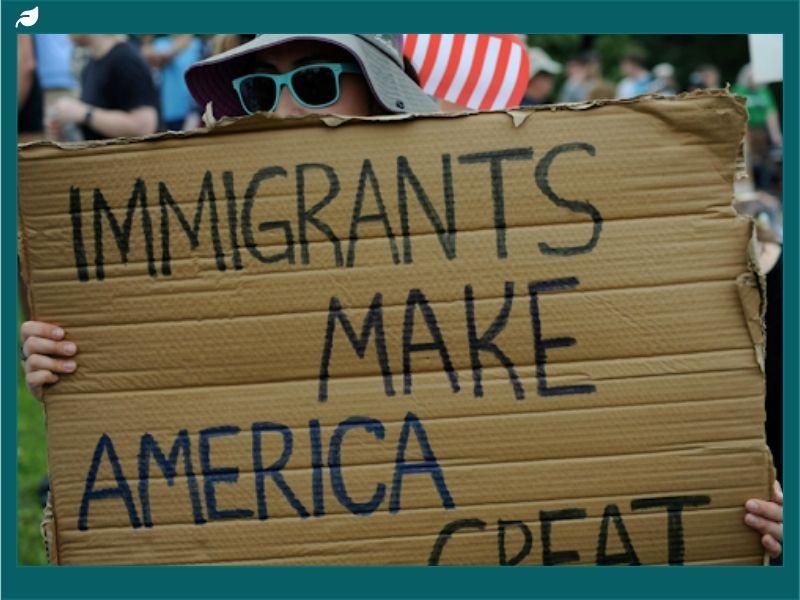
Protests have helped shape societies and influence politics throughout history. From civil rights marches to climate change rallies, activism has started important conversations and led to social change. Still, people often question whether these movements really make a difference. Do they lead to policy changes, or do their effects fade away?
By looking at how protests work and what they achieve, we can see how grassroots movements bring people together and push for real reforms. This shows the power of collective action in the fight for social justice and sustainable development.

The Role of Protests in Driving Social Change
Protests have often sparked social change, influencing both policies and how people think. Looking at past successful protests and their effects on laws shows how nonviolent actions can help transform society.
Protests challenge those in power and start important conversations about key issues. Seeing how civil resistance connects with political reform helps us understand why protests can be so powerful.
Learning about these movements shows how they can create lasting change and encourage ongoing efforts for justice and equality.
Historical Examples of Successful Protests
The ability of protests to instigate social change is underscored by numerous historical examples of successful protest movements. One of the most notable is the Civil Rights Movement in the United States, which utilized nonviolent campaigns to combat racial segregation and discrimination. During this era, figures like Martin Luther King Jr. spearheaded efforts that ultimately led to significant legislative milestones, such as the Civil Rights Act of 1964.
This movement exemplifies how civil resistance, coupled with strategic leadership, can alter the social and legal fabric of a nation. The Indian independence movement, led by Mahatma Gandhi, further illustrates the power of nonviolent protest in dismantling colonial rule. Gandhi’s use of civil disobedience and peaceful marches showcased the potential for nonviolent resistance to achieve profound political change.
Moreover, the Velvet Revolution in Czechoslovakia in 1989 demonstrates another exemplary case of protests spurring peaceful transitions of power. By organizing mass demonstrations and civic gatherings, the Czechoslovakian people successfully ousted the Communist regime, leading to democratic reforms.
Such historical examples underscore the success factors critical for protest efficacy, including unity, strategic organization, and resilience. They also highlight how protests work beyond immediate demands, often catalyzing a broader wave of social change that transcends geographical borders.
Each protest movement shares commonalities, commitment to nonviolence, broad coalition-building, and clear communication of grievances, providing a blueprint for modern activists seeking to emulate these successes in their own causes.
Analyzing the Impact on Legislation and Policy
Protests not only make headlines but also leave a lasting impact on legislation and policy frameworks. When examining the influence of protest movements on political decisions, it’s clear how effective civil resistance can shape the policy-making process. The environmental movement, for example, has seen substantial success in driving legislative change.
Protests such as the global climate strikes mobilized millions worldwide, compelling governments to consider stricter environmental regulations and pledging commitment to international agreements like the Paris Accord. This engagement illustrates the critical role of sustained activism and public pressure in ensuring that social change doesn’t remain mere rhetoric but is reflected in policy actions. The women’s rights movement has also been pivotal in prompting legal amendments.
Landmark protests such as the Women’s March have continually pushed for gender equality, resulting in tangible legislative advances including laws against gender-based violence and discriminatory practices. Such movements highlight the link between protest efficacy and political will, as government bodies respond to the mass mobilization of voices demanding justice. Additionally, student-led protests advocating for educational reforms or gun control in various countries demonstrate how grassroots mobilization affects policy decisions directly impacting younger demographics.
However, the impact of protests on legislation is contingent upon several success factors, including media representation, public support, and timing. Effective protests often integrate strategic use of media to amplify their message, thereby influencing policymakers. The ongoing digitalization of activism, where social media plays a pivotal role, further accentuates the connectivity between public sentiment and legislative outcomes.
Understanding these dynamics is essential for activists looking to maximize their influence over policy reforms and ensure that their efforts culminate in meaningful and sustainable changes.er policy reforms and ensure that their efforts culminate in meaningful and sustainable changes.
Understanding Public Opinion on Protests
Public opinion about protests shapes their efficacy and perception as vehicles for social change. The dynamics of how protests work are influenced by factors like media representation and social media platforms, which both play a crucial role in framing public perception.
Examining the landscape of political activism, particularly how different media portray movements, reveals the complexities involved in gaining public support. Whether protests translate into meaningful change often depends on how media and digital narratives sway public opinion and understanding, ultimately impacting social change initiatives and policy reforms.
How Media Representation Shapes Public Perception
Media representation significantly influences public perception of protests, framing narratives that can either legitimize or delegitimize movements. When exploring whether protests work, it becomes crucial to analyze how various media outlets present these events. Traditional media often serves as the first point of contact for many people, shaping initial opinions and providing context on the objectives and legitimacy of the protests.
Research indicates that media bias can heavily skew public opinion, sometimes portraying protesters as unruly or violent, which can lead to public backlash or decreased support for their causes. On the other hand, positive coverage highlighting peaceful demonstrations and clearly communicating protest goals can foster sympathy and wider public backing, key for achieving political and social change.
News media wield considerable power in influencing political discourse, and the framing of protests can either highlight the pressing issues driving the movement or focus on aspects likely to incite controversy. This focus not only affects how protests are perceived but also how they’re remembered. For instance, civil rights protests in the 1960s were eventually covered with greater emphasis on the social injustices they opposed, shifting public opinion toward support.
In today’s digital age, the sheer volume of information and rapidly changing news cycles contribute to evolving public perceptions. Media outlets often compete for attention, which can lead to sensationalized reporting that detracts from the core message of protests. Consequently, activists rely on media-savvy strategies to ensure their messages are accurately conveyed and to combat misinformation.
The portrayal of movements like the environmental or women’s rights protests underscores this dynamic, where coverage often matches the scale and severity of perceived threats to societal values. Through strategic engagement with media, protest leaders can ensure their causes remain in the public eye, thus sustaining momentum needed for meaningful change.
How Media Coverage of Protests Impacts Public Perception
- Media narratives can amplify or undermine protest legitimacy, affecting public opinion.
- Objective reporting shapes understanding of protest goals and intentions.
- Sensationalism may obscure messages, reducing solidarity with movements.
- Diverse outlets provide varied perspectives, influencing audience interpretations.
- Accurate representation aids in fostering public empathy and support.
- Historical biases in reporting can perpetuate outdated stereotypes.
These points emphasize the importance of activism in effectively utilizing media representation.
The Influence of Social Media on Public Opinion
Social media plays an instrumental role in shaping public opinion on protests, acting as both a catalyst for mobilization and a platform for dialogue. Unlike traditional media, which can sometimes present filtered views, social media offers diverse, unfiltered perspectives that can broaden understanding and engagement with protest movements.
Platforms like Twitter, Facebook, and Instagram serve as arenas where activists share live updates, firsthand accounts, and compelling visuals. These platforms offer global audiences immediate insights into protest dynamics. Through hashtags and viral content, social movements gain visibility, encouraging public participation and fostering solidarity across geographical and demographic lines.
The question of whether protests work is increasingly assessed within the context of their social media strategy. An effective online presence can amplify a movement’s message, galvanize supporters, and place significant pressure on policymakers. The virality of social media allows for nimble dissemination of protest goals and updates, which is critical when countering misinformation or biased narratives often portrayed by traditional media.
Movements like Black Lives Matter have underscored how social media can turn isolated incidents into extensive campaigns for social change, transcending localized protests to invoke international discourse and policy consideration. However, the impact of social media is not without complexities. The deluge of information can sometimes lead to noise, diluting the message or leading to fragmented efforts that challenge strategic cohesion.
Furthermore, algorithms can create echo chambers, limiting diverse viewpoints and potentially entrenching existing biases among users. For activist groups, the challenge lies in leveraging social media to unify voices and maintain focused narratives that drive sustained impact. Despite these hurdles, social media remains a formidable tool, uniting people for a common cause and fostering public opinion shifts essential for political change.
By understanding and harnessing this digital influence effectively, protests can continue to not only question social injustices but also transform them into actionable change.

Key Success Factors for Effective Protests
The success of protests in driving social change hinges on various factors, crucial for translating activism into tangible outcomes. Whether protests lead to real social change depends on several key factors.
Successful movements are usually well-organized, have strong leaders, and use non-violent methods to make a bigger impact. These qualities help protests get noticed and encourage policymakers to respond. Looking at how planning and peaceful tactics help protests succeed gives us a better idea of why some movements last and others do not.
In examining protest efficacy, it’s clear that without these elements, even the most passionate uprisings can falter. Strategic organization involves meticulous planning, from logistics to communication, allowing activists to leverage their resources efficiently and maintain momentum.
It encompasses developing a coherent strategy that aligns with the movement’s objectives and resonates with broader public sentiment. Effective organization ensures that every action, from the timing and location of protests to the distribution of informational material, is executed to maximize impact and visibility.
Leadership plays a pivotal role here, as it provides direction and motivates participants through challenges. Historically, successful protest movements have been characterized by strong leaders who embody the movement’s values and inspire collective action.
Leaders like Martin Luther King Jr. and Mahatma Gandhi exemplify how leadership coupled with strategic vision can galvanize mass participation and influence political decisions. They illustrate how leaders can articulate a movement’s goals, communicate effectively with diverse audiences, and adapt strategies in response to changing circumstances.
Leadership isn’t just about being the face of a protest; it involves fostering unity, encouraging collaboration among varied stakeholders, and ensuring that the movement remains focused on its core objectives. Moreover, strategic leadership can adapt to the media landscape, ensuring the movement’s message is amplified and not lost in the noise.
This involves utilizing both traditional and digital platforms to reach new supporters and sustain engagement. Effective leaders are also mindful of coalition-building, recognizing that aligning with other groups can bolster their cause. Strategic organization and leadership thus operate in tandem, creating a framework for executing nonviolent campaigns that resonate with the public, engage allies, and maintain pressure on decision-makers.
Utilizing Non-violent Methods for Greater Impact
The efficacy of protest movements is often enhanced when non-violent methods are employed, serving as a powerful tool to garner widespread support and achieve social change. Historical evidence underscores that nonviolent protests have frequently led to significant political and social transformations.
The strategic use of non-violent tactics, such as sit-ins, marches, and boycotts, contrasts with the potential fallout of violent confrontations, which can detract from a movement’s legitimacy and alienate potential supporters. Nonviolence fosters an environment where grievances are more likely to be heard and addressed without the distractions of conflict and unrest. Nonviolent campaigns benefit from sympathy and legitimacy in the eyes of the public and potential allies.
Figures like Martin Luther King Jr. and Gandhi demonstrated that peaceful protests appeal to both the conscience of the citizenry and the responsive elements within government and institutions. The media often portrays non-violent protests in a favorable light, highlighting their moral high ground and the injustice faced by demonstrators. This kind of coverage is crucial for shaping public opinion positively, thus attracting a more extensive support base.
In particular, nonviolent methods are instrumental in protest movements aiming to exert pressure without provoking a violent backlash, which could potentially demoralize participants and reduce the movement’s efficacy. By maintaining a non-violent stance, movements can continue to appeal to a broader audience, enabling the inclusion of diverse demographic groups and ensuring that the movement’s goals are taken seriously by those in power.
Nonviolent protests also often employ symbolic acts that capture attention and communicate their message effectively, such as the global climate strikes and women’s marches. These actions resonate on a human level, encouraging others to join or support the cause passively or actively.
Furthermore, non-violent methods can still be disruptive and impactful, especially when they include elements of surprise or disrupt everyday operations, compelling institutions and policy-makers to respond to the movement’s demands. To conclude, using non-violent methods not only keeps the integrity of a movement intact but also enhances its chances of achieving greater impact and sustained change.
In today’s interconnected world, the strategic use of nonviolent tactics, amplified by social media and global connectivity, continues to be a potent force for social activism, yielding powerful results in the ongoing struggle for justice and equality.
Challenges Faced by Protest Movements
Protest movements often face many challenges that affect their chances of bringing about change. Governments and institutions may resist, making it harder for activists to succeed.
New surveillance tools and a strong police presence can also create more obstacles and slow progress. Learning about these challenges helps us understand how protest movements work through tough situations to reach their goals.
Seeing how they overcome these problems shows what makes activism effective in today’s changing world.
| Challenge | Description | Strategies to Overcome |
| Government Suppression | Protest movements often face oppressive tactics from authorities, including arrests, violence, and legal barriers. | Utilizing strategic intelligence to plan actions; engaging legal support networks; documenting abuses to draw international attention. |
| Media Censorship | Efforts by authorities to restrict media coverage, impacting visibility and public sympathy. | Leveraging social media platforms to bypass traditional media; forming partnerships with independent journalists; using encrypted communications. |
| Divided Opposition | Internal divisions can weaken a movement’s overall impact and message continuity. | Building coalitions across different groups; fostering an inclusive platform; establishing clear, unified goals and messaging. |
| Technological Surveillance | The use of advanced surveillance technology to monitor and disrupt organizational efforts. | Adopting encryption tools; conducting cybersecurity training; using decentralized communication methods. |
| Public Apathy | Gaining and maintaining public interest and support is a continuous challenge. | Creating compelling narratives that relate to public concerns; organizing awareness campaigns; focusing on visible, impactful events and outcomes. |
This table outlines the adaptive strategies employed by protest movements in response to various systemic obstacles, highlighting their resilience and capacity for innovation.
Overcoming Governmental and Institutional Resistance
Governmental and institutional resistance represents a significant challenge for protest movements seeking social change. This resistance often manifests as legal restrictions, bureaucratic red tape, or outright suppression. These forms of resistance are deeply entrenched within political systems, as authorities may employ a wide variety of tactics to maintain control and counteract the efforts of activists.
As governments face pressure to maintain order and stability, they often resort to declaring states of emergency, imposing curfews, or legislating to limit the scope of public demonstrations. Such measures aim to curtail the influence of protests, emphasizing the state’s vested interest in maintaining the status quo rather than accommodating change.
To combat these barriers, protest movements have historically employed a blend of strategic intelligence and resilience. Crafting a coherent message that resonates with wide demographics can offset governmental resistance by building public sympathy and drawing attention to the legitimacy of their cause.
Institutional resistance, on the other hand, might involve efforts to discredit protest leaders or suppress information through controlled media narratives. Movements capable of maintaining a transparent and consistent message through controlled communication channels can effectively counteract such disinformation campaigns.
Coalition-building among varied activist groups also amplifies a movement’s collective voice, broadening support and creating a unified front capable of withstanding institutional pushback. Legal avenues offer another battlefield where movements often engage, challenging unjust legislation through the court system.
By negotiating through legal frameworks, protests can achieve legitimacy and exert pressure for change from within, advocating policy adjustments that cater to public interests. While navigating governmental resistance appears daunting, history has shown that protests buoyed by strategic insights, media-savvy tactics, and robust legal acumen can influence policy and institutional frameworks.
From labor rights marches to modern climate protests, overcoming governmental resistance requires a measured synthesis of strategy, communication, and public engagement. This ultimately underscores the enduring power of organized movements in affecting change.
The Impact of Surveillance and Police Presence
In recent years, the impact of surveillance and heightened police presence has emerged as a formidable challenge to the efficacy of protest movements. Surveillance technologies such as facial recognition, drones, and online data tracking have expanded the ability of authorities to monitor and manage dissent. This technological oversight serves not only as a deterrent but also places activists under intense pressure, potentially stifling participation through fear of reprisal.
Surveillance presents a civil liberty challenge, as individuals may weigh the risks of participating in protest activities against potential repercussions, thereby affecting the dynamics and turnout of demonstrations. Protest movements have had to develop innovative tactics to counter surveillance and police oversight. The use of encrypted communication platforms, such as Signal or Telegram, provides a level of privacy and security that traditional means lack.
By obscuring personal identities and coordinating movement strategies away from prying eyes, activists can mitigate the impact of surveillance technologies. On the ground, protesters might employ anonymity in urban landscapes, using masks or clothing that hinders identification by facial recognition tools. Such grassroots measures are critical for preserving the personal safety of participants while maintaining the movement’s organizational integrity.
On another front, pervasive police presence often aims to deter demonstrations through intimidation and show of force, creating an environment of tension and potential conflict. While authority states its duty is to preserve public order, its increased deployment at protest sites can escalate situations unnecessarily. Movements that prioritize nonviolent methods leverage this discrepancy, highlighting the peaceful nature of their objectives against the heavier-handed tactics of law enforcement.
Documenting police interactions through mobile phones and disseminating footage via social media platforms ensures accountability, shedding light on any misuse of power in public spaces. By confronting the challenges posed by surveillance and police presence, movements demonstrate resilience and adaptability in pursuit of their goals.
Effective counter-surveillance strategies and nonviolent posturing are crucial for maintaining momentum and galvanizing wider public support, challenging traditional power dynamics. As protests continue to stand at the crossroads of societal change, ongoing innovation in countering surveillance and managing police engagement remains vital. Through resourceful strategies and unwavering commitment, protest movements reveal their capacity to endure and affect change in increasingly monitored environments.
Social movements use collective action to push for change and can have a big impact on society. When people come together with a common goal, their voices can influence leaders and lead to reforms.
The long-term success of protests depends on things like planning, public support, and persistence. History shows that determined activism can raise awareness, change opinions, and even inspire new laws.
While not every protest has the same result, they clearly have the power to drive progress and shape important conversations in society.