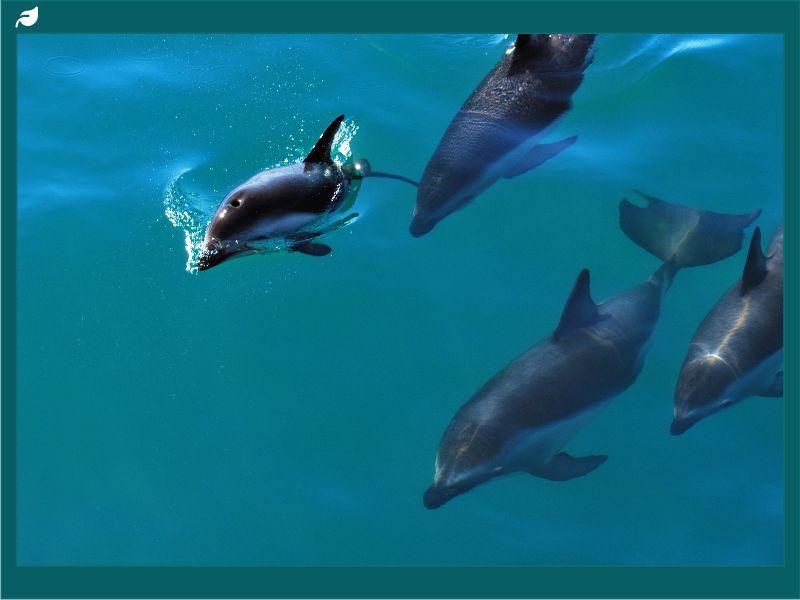
Dolphins are known for their intelligence and playful behavior, and they come in many different types. There are more than 40 species found around the world, each with its own unique traits and ways of living. From the familiar bottlenose dolphin to the rare pink river dolphin, these animals live in many places, from deep oceans to busy rivers. Learning about their differences helps us appreciate them more. It also reminds us why it’s important to protect their habitats.
Understanding Dolphin Species
Dolphins captivate with their intelligence, social dynamics, and diverse species. These marine mammals belong to the cetacean family Delphinidae. While commonly associated with oceans, some species, like the river dolphin, inhabit freshwater ecosystems. Delving into the variety helps us appreciate these remarkable creatures, from the well-known bottlenose dolphin to more niche species like the dolphin tursiops and dolphin sousa.
This exploration of dolphin diversity offers a fascinating insight into their habitats, behaviors, and features. It highlights their importance to marine biodiversity and ecosystems across tropical and temperate regions.
The Diversity of Dolphins: A Quick Overview
Dolphins come in many shapes and sizes, each with its own special traits and preferred home. Most belong to the Delphinidae family. Some, like the spinner dolphin, are known for their agility, while others, like the common dolphin, are more robust.
Many live in warm tropical waters, and the Atlantic Ocean is home to well-known species like the bottlenose dolphin. Learning about their differences shows how well they adapt to different environments.
Popular Dolphin Species Across the Globe
Some dolphin species are especially well-known around the world. The bottlenose dolphin, for example, is popular in both the ocean and along coastlines. River dolphins, like those in the Amazon, show how dolphins can live in freshwater.
Tursiops dolphins are famous for their intelligence, and spinner dolphins are loved for their acrobatics. Other types, like sousa dolphins, show how dolphins can adapt to different places and ways of living.
The Fascinating Indo-Pacific Bottlenose Dolphin
The Indo-Pacific bottlenose dolphin is a unique type that lives in many different ocean environments. These smart and adaptable dolphins are found in warm waters of the Indian and Pacific Oceans. They show just how diverse dolphins can be and play an important part in ocean life. Unlike river dolphins, they have their own special ways of behaving and living together. Learning about them helps us see why they matter and what challenges they face.
Habitat and Behavior of the Indo-Pacific Bottlenose Dolphin
Indo-Pacific bottlenose dolphins are primarily found in the coastal areas of the Indian and Pacific Oceans, thriving in tropical and subtropical waters. This dolphin species shows a fascinating adaptability to various marine habitats, where they often engage in complex behavior.
Indo-Pacific bottlenose dolphins live mostly along the coasts of the Indian and Pacific Oceans in warm waters. They are very adaptable and use teamwork and sound to hunt for fish. Their social lives and hunting skills help them survive in many places.
Watching these dolphins also helps scientists learn how to protect them and keep the ocean healthy.
- Communicate through a complex system of clicks, whistles, and body language.
- Adapt feeding habits to seasonal changes in prey availability.
- Exhibit playful behaviors, such as riding waves and playing with seaweed.
These points highlight the remarkable traits that ensure the survival of Indo-Pacific bottlenose dolphins in diverse marine environments.

Exploring the White-Beaked Dolphin
The white-beaked dolphin is easy to spot because of its special look and its ability to live in the cold waters of the Atlantic Ocean. This northern species is known for being social and playful, often putting on a show for people watching. Learning about the white-beaked dolphin helps us see how much variety there is in the ocean and why these animals are important.
Characteristics and Features of the White-Beaked Dolphin
White-beaked dolphins are strong and can grow up to 3 meters long. They have a dark back, a light belly, and a white beak, which makes them easy to recognize. Their bodies are built for fast swimming in the Atlantic. These dolphins are very social and often play together in groups. They mostly eat fish and squid, showing how well they can find food in changing ocean conditions.
Marine Life of the Dolphin Lagenorhynchus
The dolphin called lagenorhynchus is known for its special features and wide range. It belongs to the delphinidae family and can live in many different parts of the ocean, especially the Atlantic. Its unique traits help us understand how dolphins can adapt to different climates and why they are important for ocean life.
Distinctive Traits and Distribution
Lagenorhynchus dolphins are easy to recognize because of their special colors and social habits. They have strong, streamlined bodies and a tall dorsal fin, which helps them swim in ocean currents. These dolphins live in many places, from coastlines to open sea, showing how well they can adapt. Their wide range in the Atlantic shows how important they are for keeping the ocean healthy.
Significance of Dolphin Stenella in Ocean Ecosystems
Stenella dolphins, part of the Delphinidae family, are important for keeping the ocean in balance. They live mostly in warm, tropical waters and are known for their complex social lives. These dolphins help control fish and squid numbers and are a sign of a healthy ocean. Keeping their populations strong is key to a balanced marine ecosystem.
The Environmental Impact of Dolphin Stenella
Stenella dolphins have a big impact on their environment. By eating fish and squid, they help keep the ocean balanced and prevent some species from becoming too common. Their feeding also helps move nutrients around, which is good for ocean life. Protecting Stenella dolphins is important for keeping the ocean healthy.
Striped Dolphin: A Unique Sea Marvel
The striped dolphin is easy to spot because of its bold stripes and lively groups. It lives in warm and mild waters, especially in the Atlantic. Studying striped dolphins helps us learn about how they live together and adapt, showing why they are an important part of the dolphin family.
| Attribute | Description | Significance | Habitats |
| Physical Appearance | Streamlined body with distinctive stripes running from the eyes to the tail. | Enhances swimming efficiency and aids in easy identification among marine species. | Open ocean waters, temperate and tropical regions worldwide. |
| Diet | Primarily consists of small pelagic fish, squid, and crustaceans. | Ensures a balanced marine ecosystem by regulating prey populations. | Deep sea areas with abundant prey availability. |
| Social Structure | Highly social, often found in groups ranging from a few to thousands of individuals. | Facilitates cooperative hunting and strong social bonds within pods. | Cohesive groups often found in areas with high prey density. |
| Reproduction | Breeds year-round with peak periods of mating observed in spring and summer. | Contributes to sustaining population levels and genetic diversity. | Warmer waters that provide optimal conditions for calving. |
This table elucidates the unique characteristics and socio-ecological roles of the striped dolphin within marine environments.

The Social Structure and Lifestyle of the Striped Dolphin
The striped dolphin exhibits a remarkably sophisticated social structure and lifestyle, demonstrating the intricacies of dolphin species interaction. They often form large, cohesive pods that can range from 100 to over 1,000 members, primarily found in the tropical Atlantic Ocean and other global waters.
This social cohesion is seen as striped dolphins live in large groups, sometimes with hundreds or even thousands of members, especially in the tropical Atlantic and other oceans. Their close social bonds help them find food and stay safe from predators. They are very active and often leap and spin, which helps them connect with each other and communicate. Protecting dolphin populations involves understanding their unique habitats and the threats they face, from illegal fishing to habitat destruction.
Mandating stricter regulations and fostering international collaboration are crucial steps. Strategies are focusing not just on the vaquita but also extending to other dolphin species, underlining the global commitment to marine biodiversity conservation.
Strategies for Protecting Threatened Dolphin Populations
To protect dolphins, especially endangered ones like the vaquita, we need focused conservation plans. This includes better tracking of illegal fishing, setting up safe areas in the ocean, and involving local communities in protecting dolphins. Teaching people and offering rewards for sustainable actions can help.
Working together across countries is also important to fight pollution and climate change, making sure dolphins have a future. Dolphins come in many forms, from playful spinner dolphins to powerful orcas, showing how well they have adapted to life in the ocean. Learning about each species helps us value their place in nature. Protecting them is important for the future, and as we learn more, we also understand bigger environmental issues and how all life is connected.