Environmental science delves into the intricate web of nature, addressing complex issues like climate change, biodiversity loss, and pollution. While its importance cannot be overstated, students often wonder about its perceived difficulty. The challenges of this field stem from its interdisciplinary nature, requiring knowledge in biology, chemistry, geology, and social sciences.
This combination makes environmental science both demanding and rewarding. Understanding these aspects can help aspiring environmental scientists navigate their educational and career paths effectively, highlighting the need for a robust analytical mindset and a deep passion for solving environmental problems.

Understanding Environmental Science
Environmental science serves as a multifaceted field crucial for understanding the intricate relationships between natural systems and human interactions. It encompasses a wide range of disciplines, including ecology, geology, and geography, all of which come together to address environmental challenges.
With an environmental science degree, students gain insights into pressing issues such as climate change, resource management, and biodiversity. As universities worldwide offer specialized programs, the role of environmental scientists has never been more vital. This section will delve into defining environmental science and exploring the integral role played by environmental scientists.
Defining Environmental Science and Its Scope
Defining environmental science goes beyond simply labeling it as an academic discipline; it’s about capturing the essence of studying complex, interrelated processes that govern our planet. Environmental science, at its core, bridges the gap between various fields such as earth science, biology, chemistry, and physics. This transdisciplinary approach makes it a compelling major for students interested in the intersection of science and societal impact. Universities offering an environmental science degree typically emphasize a strong foundation in scientific methodology alongside applied learning experiences, facilitating a comprehensive academic experience. Courses across these programs often delve into essential subjects like environmental geology, ecosystems, and climate systems, offering students a holistic view of the field’s breadth.
An environmental science degree prepares students for analyzing and mitigating the environmental challenges we face today. The field focuses on real-world applications, developing strategies and technologies to address issues like pollution, natural resource management, and environmental policy. Such a complex study demands critical thinking, problem-solving, and analytical skills, which are integral for students pursuing this degree.
Programs frequently encourage a blend of classroom instruction with fieldwork, making geography and geology prominent areas of concentration. Exploring distinct ecosystems allows students to better understand how environments are affected by natural and human factors. This practical aspect is not only valuable for academic success but also essential in preparing for careers as environmental scientists in various sectors, government agencies, non-profits, private industries, and research institutions.
The major is designed to be adaptive, reflecting the dynamic nature of environmental issues. Students might engage in specialized studies, focusing on areas like sustainable development or environmental engineering. This adaptability also extends to the diverse career paths available. By understanding the diverse scope of environmental science, students are equipped to tackle significant global challenges, armed with knowledge and strategies acquired through their science degree. The emphasis on hands-on learning experiences positions graduates at an advantage in the labor market, ready to contribute meaningfully to solving environmental issues.
The Role of Environmental Scientists
The role of environmental scientists is pivotal in advocating for sustainable practices and influencing policy decisions that affect our planet. These professionals use their expertise to assess, predict, and manage the effects of human activities on various ecosystems. Environmental science encompasses understanding environmental dynamics, such as soil erosion, water contamination, and biodiversity loss, all critical in devising interventions that mitigate adverse impacts.
Environmental scientists collaborate across disciplines, drawing insights from fields like environmental geography, geology, and biology to create comprehensive solutions. This collaborative approach is central to addressing complex environmental challenges effectively. Whether conducting field studies or utilizing advanced modeling technologies, these scientists are integral in the implementation of environmental policies and the development of sustainable practices.
An environmental science degree equips students with technical knowledge and skills, preparing them for careers focused on environmental protection and resource management. The study of environmental science, characterized by its rigorous science requirements, arms students with the ability to analyze data critically and present findings that influence policy and public understanding. As the field expands, so does the demand for scientists adept in the latest environmental technologies and methodologies.
These professionals also play a crucial role in education and raising awareness about environmental risks and sustainability. Through teaching and public outreach, environmental scientists help foster an informed citizenry capable of making environmentally conscious decisions. Their work often extends to areas like climate change adaptation, where they develop strategies to enhance community resilience in the face of environmental stressors.
The challenging nature of environmental science makes it a fulfilling career path for those committed to making a difference. Environmental scientists are at the forefront of addressing global challenges, with their efforts significantly impacting policy development, conservation efforts, and technological innovation. As the need for sustainable management practices grows, the expertise of environmental scientists has never been more critical, underscoring the importance of this field in our collective journey toward a more sustainable future.
Why Environmental Science Is Considered Challenging
Studying environmental science is deemed challenging due to its inherently interdisciplinary nature, combining principles from geology, biology, chemistry, and physics. This complexity demands a keen understanding of diverse ecosystems and the interrelated impacts of human activities on the environment. Students embarking on an environmental science degree often find themselves navigating intricate academic requirements and developing critical problem-solving skills fundamental for success in this field. As both a scientific and practical discipline, environmental science presents a myriad of challenges and opportunities, preparing students to tackle significant environmental problems in innovative ways.
The Complexity of Environmental Ecosystems
The complexity of environmental ecosystems is one of the primary reasons why environmental science is considered a challenging field. These ecosystems are dynamic entities that consist of biotic and abiotic components, interacting in intricate webs of relationships. Understanding these interactions requires a deep comprehension of various scientific fields such as biology, geology, and geography, which informs how organisms evolve and adapt to their environments. Students pursuing an environmental science degree learn to analyze these complex systems, identifying the delicate balance required to maintain ecosystem stability and health. This process is not always straightforward, as it involves dissecting multifaceted environmental challenges that include climate change, deforestation, and pollution, each influencing ecosystems in unique and often interconnected ways.
Environmental challenges also include understanding the human impact on these ecosystems. The ever-increasing demand for resources leads to habitat destruction, species extinction, and significant alterations in ecosystem functioning. Students enrolled in university programs focused on environmental science engage in courses that cover such topics extensively, often requiring them to apply problem-solving skills in developing strategies that minimize human disruption. The field also demands a comprehensive understanding of natural processes like nutrient cycling, energy flow, and biological interactions, which together define the complex nature of environmental ecosystems.
Moreover, hands-on learning experiences such as fieldwork and laboratory research are integral in these academic programs, offering students practical insight into real-world applications. For instance, students might engage in geological surveys to understand the terrain or use geographical information systems (GIS) to track environmental changes over time. These activities not only reinforce theoretical knowledge but also hone the analytical skills necessary for interpreting environmental data and sewing solutions within these complex systems. Majoring in environmental science, therefore, involves a staunch commitment to understanding this complexity, which further underscores why it is a challenging but rewarding academic and career pursuit.
Science Requirements for Career Success
Science requirements play a critical role in shaping successful careers for environmental science graduates. The breadth of knowledge necessary to tackle the wide-ranging issues in this field is vast, requiring a solid foundation in core sciences. Students entering environmental science programs at the university level often face rigorous coursework in chemistry, physics, and advanced mathematics, areas that are pivotal for understanding natural phenomena and environmental processes. These requirements illustrate the field’s complexity and demand both resilience and an aptitude for critical thinking.
Acquiring a degree in environmental science goes beyond textbook learning, emphasizing practical skills that are applicable in real-world scenarios. For instance, proficiency in statistical analysis and data interpretation is essential for environmental assessments and research. Such skills are embedded in the curriculum, providing students with the ability to translate academic knowledge into actionable insights, crucial for addressing environmental issues like resource depletion and waste management.
Moreover, the degree to which the field is challenging stems from its interdisciplinary nature, blending science with social awareness. It calls for students to not only acquire scientific expertise but also to understand the socio-economic impacts of environmental decisions. Courses often included in these programs cover topics like environmental policy, ethical considerations, and resource economics, encouraging students to develop a holistic view of the environmental landscape. This wider perspective is essential for crafting sustainable solutions and influencing policy changes.
Given the demanding science requirements, the field rewards those who are adept at analytical reasoning and innovative thought processes. Employers in sectors ranging from government to private industry seek graduates who possess the ability to navigate the complex environmental, economic, and social dynamics. Equipped with this knowledge, environmental science graduates are prepared to drive changes in sustainable practices and mitigate environmental impacts through informed, evidence-based decisions. As such, the rigorous academic training provided by environmental programs is integral to preparing students for meaningful and impactful careers, reflecting the inherent challenges and vast opportunities in this field.

The Perception of Hard in the Field
Environmental science is frequently perceived as one of the more challenging academic disciplines, a reputation attributable to its complex, interdisciplinary nature. The field intertwines rigorous topics like biology, chemistry, and geography with practical applications in sustainability and policy-making. Students often grapple with the demanding science degree requirements and extensive coursework involved.
Exploring why environmental science is considered demanding and how it measures up against other scientific fields reveals the breadth and depth of academic experience it offers. Universities design this challenging field to be both thought-provoking and transformative, preparing students for an impactful career in addressing environmental challenges.
Factors That Make Environmental Science Difficult
When considering why environmental science is deemed challenging, it’s essential to recognize the myriad factors contributing to this perception. This field demands a multi-faceted understanding of both the natural world and human interactions with it. Students embarking on an environmental science degree must prepare for a curriculum packed with diverse subjects spanning the sciences, biology, chemistry, and physics, as well as social sciences like geography and resource management. Such breadth requires not only a grasp of fundamental scientific principles but also an appreciation of the complexities inherent in environmental systems and processes.
A significant factor making environmental science particularly challenging is its interdisciplinary nature. Students frequently find themselves integrating concepts from various disciplines to understand environmental impacts comprehensively. For example, addressing climate change entails not only understanding atmospheric chemistry but also recognizing socioeconomic factors influencing policy decisions. This need to synthesize information across disciplines adds layers of complexity to the academic experience.
Moreover, the demanding science degree requirements introduce another layer of difficulty. Many environmental science programs emphasize strong competencies in research methodologies, data analysis, and scientific writing. These skills are crucial for translating academic knowledge into practical, actionable insights used in environmental assessments and policy-making. As a result, students must become adept at both theoretical analysis and real-world applications, balancing classroom learning with fieldwork and laboratory studies.
Finally, the rapid evolution of environmental challenges requires students to stay abreast of the latest scientific developments and technological advancements. This ongoing learning process can be daunting, as it involves not just understanding current environmental issues but also anticipating future trends to develop sustainable solutions. Collectively, these factors highlight why students perceive environmental science as challenging yet rewarding, as it equips them with the necessary tools to address some of the world’s most pressing problems.
Comparing Environmental Science to Other Sciences
In comparing environmental science to other scientific disciplines, several unique aspects come to light that underscore both the challenges and opportunities within this field. Environmental science differs significantly from more traditional scientific fields like biology or chemistry in its holistic approach and application-oriented study. While traditional sciences often focus on specific processes or elements, environmental science requires an integrative approach, examining how various systems interact within the broader environmental context.
Traditional science degrees typically offer specialized tracks that deeply explore a specific area. In contrast, environmental science’s interdisciplinary approach encompasses subjects like geology, geography, and ecosystem dynamics, demanding that students traverse a broad spectrum of topics. This breadth can be overwhelming, but it simultaneously provides students with a comprehensive academic experience that is both challenging and enriching. This complexity necessitates a level of versatility and adaptability not commonly required in other fields.
Another stark difference revolves around the problem-solving focus that environmental science demands. Unlike more theoretical disciplines, students in this field must often apply classroom knowledge to tackle real-world environmental. Problems such as climate adaptation, pollution control, and resource management are central to the curriculum, requiring students to develop innovative solutions to complex issues. This results-driven approach positions environmental science graduates to impact actual environmental policy and practice directly.
Furthermore, while traditional sciences might heavily emphasize lab-based research, environmental science uniquely combines laboratory work with extensive field studies. These practical experiences enrich the academic journey, providing students with a tangible appreciation for environmental dynamics and honing their skills in data collection and analysis. This blend of theoretical learning and practical exposure differentiates environmental science from other science requirements, making it both a challenging field and a highly rewarding pursuit.
In essence, while environmental science might be perceived as harder due to its cross-disciplinary requirements and the scope of study, it uniquely positions students to become leaders capable of addressing the complex environmental issues facing our planet today. This field’s intrinsic complexity and focus on solving tangible, impactful problems sets it apart, attracting students who are passionate about making a difference through science.
Building Problem-Solving Skills in Environmental Science
Problem-solving skills are pivotal in navigating the challenges of environmental science. This field’s diverse nature necessitates analytical prowess and effective strategies to address complex environmental issues. Time management and analytical abilities are two key areas where these skills become critical. Students must develop effective time management strategies to balance rigorous science degree requirements with practical applications, while enhancing analytical abilities to interpret data vital for environmental research. These competencies form the backbone of a successful academic experience and are essential for performing well in the challenging field of environmental science.
Developing Effective Time Management Strategies
Time management is an indispensable skill for environmental science students, faced with a demanding curriculum that includes both theoretical learning and practical applications. Balancing coursework, laboratory experiments, and field projects requires students to manage their time efficiently. The multifaceted nature of environmental science, which spans disciplines like geography, geology, and biology, demands attention to varied science requirements, making time management strategies crucial. Students must often juggle multiple courses in environmental programs, from foundational science degree requirements to specialized major subjects like sustainable development or environmental engineering. This diverse academic load requires setting priorities and allocating specific time blocks for each aspect of their studies, ensuring a comprehensive academic experience while meeting deadlines.
Successful time management also extends to incorporating hands-on learning experiences, which are a hallmark of environmental science programs. Fieldwork, a critical component of these courses, demands students organize extended periods outside traditional classroom settings. Whether conducting geological surveys or geographical data collection, these immersive tasks require students to plan meticulously, coordinating with university schedules and transportation logistics. Effective time management allows for seamless integration of these experiences, reinforcing theoretical knowledge with real-world applications.
Additionally, environmental science students often participate in group projects, where collaborative time management is key. The interdisciplinary nature of the field mandates partnerships, integrating insights from various disciplines to address environmental challenges. Successful teamwork hinges on coordinating schedules, setting milestones, and managing group dynamics efficiently. This collaborative element not only enhances problem-solving skills but also prepares students for professional settings, where teamwork is essential.
As students navigate their degree, the development of time management strategies becomes second nature, equipped to handle the challenging aspects of the field. Prioritizing tasks, utilizing planners or digital tools, and setting realistic goals are all strategies that students can implement to thrive. These skills transcend academic settings, proving invaluable in professional careers where environmental scientists balance project timelines and fieldwork commitments. Mastering time management is a cornerstone of academic success and a lifelong asset in the challenging field of environmental science.
Enhancing Analytical Abilities in Environmental Research
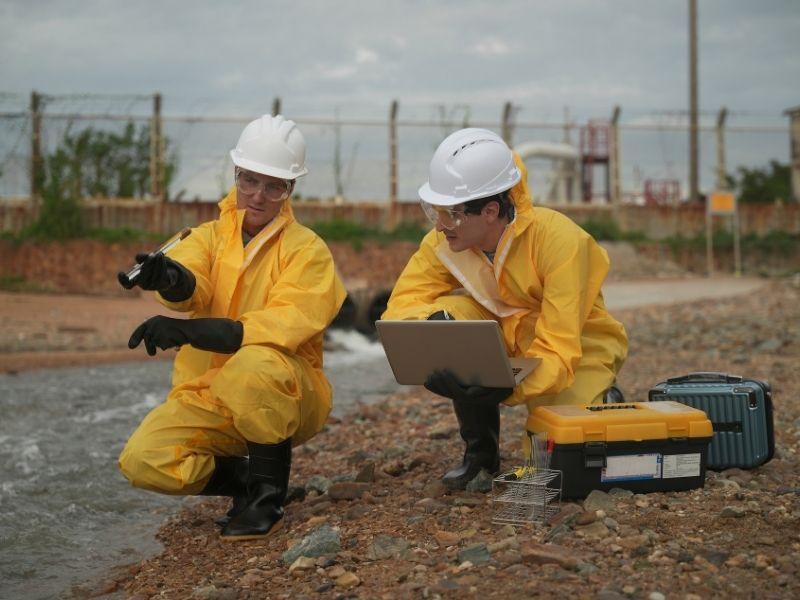
Analytical abilities are crucial in the field of environmental science, where complex data sets and multifaceted problems are prevalent. Students are expected to delve into intricate analyses, interpreting information to develop solutions for environmental challenges. This skill is honed through rigorous coursework and research projects, often integral parts of university programs offering environmental science degrees. Courses focus on teaching students the tools of data analysis, including statistical software and methodologies critical for environmental assessments.
Environmental research often involves examining large data sets, encompassing everything from climate models to species population studies. Students use their analytical skills to discern patterns, draw insightful conclusions, and propose actionable strategies. Proficiency in statistical analysis is a key component of environmental science degrees, allowing students to translate quantitative data into qualitative insights. These insights help address real-world problems like pollution control, biodiversity conservation, and resource management, reflecting the practical nature of the field.
Collaboration across various disciplines is a hallmark of analytical work in environmental science. Students frequently draw on knowledge from geology, biology, and geography to address environmental concerns holistically. This interdisciplinary approach enables them to form a comprehensive picture of complex systems and interactively devise solutions. Team-based research projects often provide a platform for students to develop and refine their analytical abilities, preparing them for the collaborative nature of the professional world.
The application of analytical skills in environmental science isn’t confined to data interpretation. Critical thinking is equally important, requiring students to evaluate methodologies, critique existing research, and innovate new approaches to longstanding problems. This critical examination fosters creativity and innovation, which are essential for developing sustainable solutions to environmental issues. By enhancing their analytical abilities, students prepare themselves not only for their degree’s demands but also for careers that require adaptive thinking and informed decision-making in a challenging field.
Ultimately, refining analytical abilities transforms environmental science students into capable researchers, equipped to tackle the discipline’s inherent challenges. These skills provide a competitive edge in the job market, where employers value analytical prowess alongside technical knowledge. By embracing the complexity of environmental research and continuously honing their analytical skills, students can successfully contribute to solving some of the world’s most pressing environmental problems.
Environmental science, with its intricate balance of ecological, chemical, and geological concepts, presents inherent challenges that require critical thinking and problem-solving skills. Despite its complexities, it offers the rewarding opportunity to impact our world’s sustainability positively. Maintaining a passion for the subject and a commitment to understanding environmental dynamics can transform perceived difficulties into opportunities for innovation and meaningful contributions to protecting our planet. Whether pursuing a career in environmental research or policy-making, dedication and curiosity can lead to profound achievements and personal growth in this ever-evolving field.