Global University Systems (GUS) has published its 2024 Sustainability Report, highlighting a milestone year for the international education group’s commitment to responsible operations and social impact. Recognized with the Gold Award for Best ESG Campaign or Case Study to Reduce Inequality at the 2024 ESG & Sustainability Awards, GUS continues to prioritize initiatives that blend educational access, social responsibility, environmental stewardship, and ethical governance across its network of 30 institutions.
A Four-Pillar Approach
The newly released report centers on four key pillars: Education, Equality, Environment, and Ethics. Each pillar represents a focus area in which GUS has pursued tangible, measurable outcomes—from supporting women in Afghanistan through free education initiatives to forming strategic partnerships aimed at achieving carbon neutrality. According to GUS, 2024 was pivotal in expanding programs that prioritize student access, community engagement, and sustainability across multiple continents.
“The 2024 report reflects a pivotal year in our sustainability journey. This year, we’ve made significant strides in embedding sustainability across our network of 30 institutions. Our initiatives have delivered measurable impact across environmental stewardship, social equality, and educational access. These efforts reflect our commitment to transforming lives through education while ensuring we create positive impact across our global network,” says Yuliya Etingen, Chief Impact Officer at Global University Systems.
Driving Equity and Access
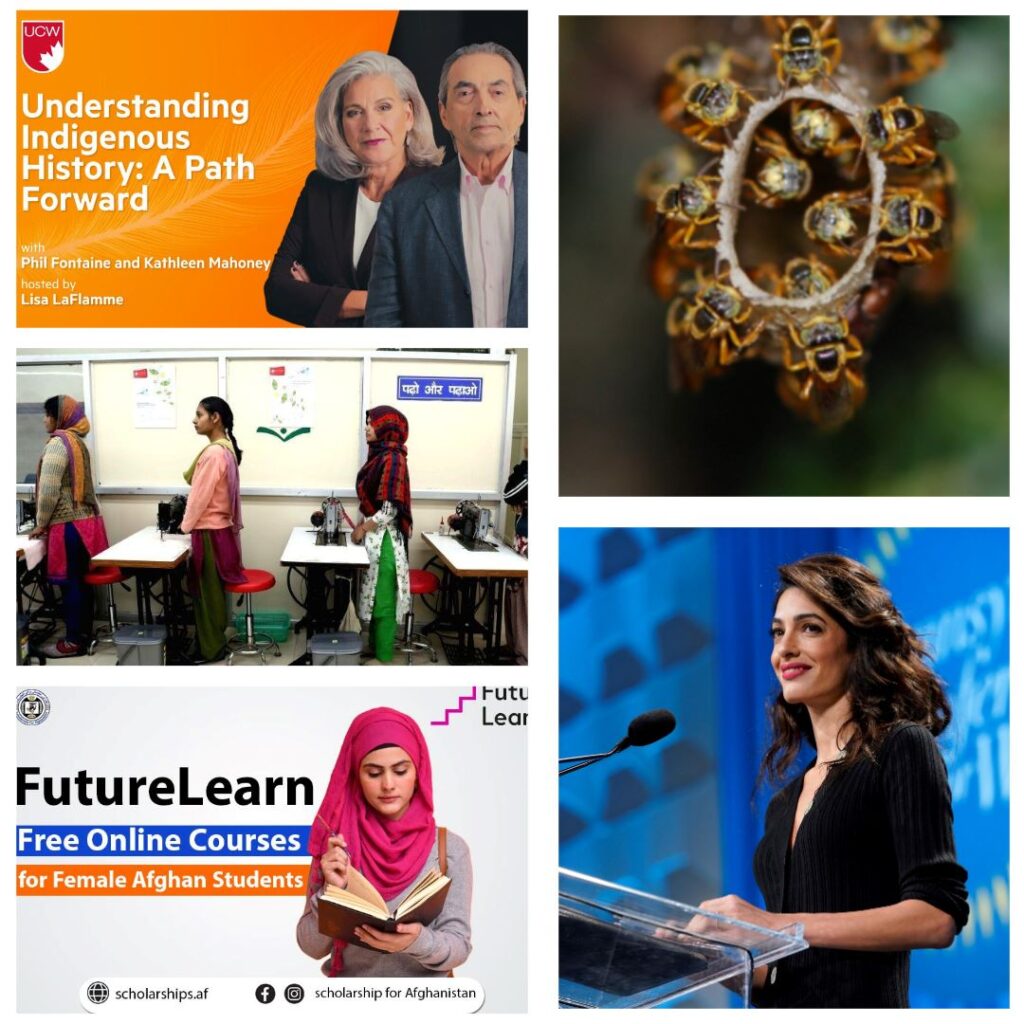
A standout achievement in GUS’s equality pillar is its provision of free access to education for women in Afghanistan, a program that earned the organization recognition at the ESG & Sustainability Awards. In a global context where women’s educational opportunities can be severely limited by political instability, GUS’s efforts exemplify how universities can leverage their networks and resources to bridge gaps in equity. The group’s work involves delivering remote learning solutions, as well as partnering with local communities and NGOs to ensure these programs remain accessible, culturally sensitive, and robust.
Moreover, individual institutions within the GUS network have undertaken high-impact social initiatives. For instance:
- Pearl Academy’s Tihar Jail programme: This initiative provides skills training to women inmates, helping them acquire practical job skills they can carry into their lives post-release.
- The University of Law’s collaboration with the Clooney Foundation for Justice: By offering postgraduate opportunities in human rights advocacy, the university helps cultivate the next generation of legal professionals championing social justice.
These examples illustrate how GUS leverages its global footprint not just to educate, but to drive meaningful, systemic change within various communities.
Strengthening Environmental Commitments
On the environmental front, GUS has partnered with Planet Mark to bolster its carbon neutrality initiatives. Planet Mark is known for supporting organizations in measuring and reducing their carbon footprint, setting science-based targets, and engaging employees in sustainability efforts. To improve sustainability monitoring and reporting, GUS has also linked up with SustainIQ, a platform designed to help businesses track ESG metrics more comprehensively.
Beyond these partnerships, GUS has become a signatory to the CANIE Accord, pledging to achieve carbon neutrality and climate literacy across the international education sector by 2030. This move aligns with broader higher education trends that emphasize environmental accountability, reflecting the push by universities worldwide to integrate climate-related topics into their curriculum, governance, and operational frameworks.
A Seat at the Global Table
Involvement in high-profile events such as the World Economic Forum at Davos is also part of GUS’s sustainability strategy. By engaging with world leaders, policymakers, and industry influencers, GUS aims to shape dialogue around the role of education in tackling global challenges like climate change, technological disruption, and social inequality. Participation in forums of this scale underscores the organization’s ambition to advocate for systemic shifts, using education as a lever for long-term societal resilience.
Success Stories Across the Network
While GUS’s sustainability commitments operate at the organizational level, the real impact often arises through local projects carried out by member institutions. Highlights from the 2024 report include:
- University Canada West’s Award-Winning Documentary Series: Focused on Indigenous history, this series brings marginalized narratives into the mainstream, sparking dialogue about reconciliation and cultural preservation.
- University of Europe for Applied Sciences’ Pink Bear Project: Offering €250,000 in scholarships for students from diverse backgrounds, this project directly boosts inclusion and educational access.
These initiatives not only contribute to the group’s overall ESG performance but also demonstrate how localized efforts can create ripple effects, advancing cultural understanding and community well-being.
Driving ESG Through a Dedicated Taskforce
To ensure continuous accountability and progress, GUS manages 20 distinct sustainability goals via a dedicated taskforce. These goals align with the organization’s core values:
- Dynamic: Emphasizing innovative and adaptable practices, whether in curriculum development or environmental problem-solving.
- Expert: Leveraging academic and professional expertise to inform strategic decisions on sustainability.
- Pioneering: Testing new approaches, partnerships, and technologies to meet evolving societal and environmental needs.
- Impactful: Prioritizing community engagement, from offering scholarships to supporting local nonprofits and social enterprises.
- Transformative: Redefining the scope of what higher education institutions can accomplish by integrating global sustainability goals into every layer of operations.
By structuring its sustainability objectives around these core values, GUS demonstrates a commitment to systematic change. The taskforce approach also reflects a best practice in effective ESG management—dedicated oversight and measurable outcomes can help institutions stay on track and respond agilely to emerging challenges or opportunities.
Meeting Global Challenges Through Education
The 2024 Sustainability Report underlines the link between GUS’s role as an education provider and the global call for more urgent action on environmental and social issues. As climate change intensifies and inequality persists, universities and education groups face increasing pressure to produce graduates who are equipped with both technical knowledge and a deep sense of responsibility toward the planet and society.
By integrating climate literacy and social impact projects across its portfolio—ranging from documentary filmmaking to in-prison vocational training—GUS showcases the multifaceted power of education. In doing so, the organization helps cultivate a generation of graduates prepared to tackle global crises and contribute positively to their communities, whether through innovative startups, public policy, or grassroots activism.
Looking Ahead
GUS’s 2024 Sustainability Report arrives at a moment when higher education institutions globally are rethinking their missions and strategies in the face of profound societal shifts. From championing the rights of women in Afghanistan to actively engaging at the World Economic Forum in Davos, GUS has chosen to stand among the thought leaders pushing for an equitable, climate-resilient world.
The group’s roadmap for the coming years includes continuing its carbon neutrality initiatives, scaling educational programs for underserved communities, and growing collaborations with partners like Planet Mark, SustainIQ, and CANIE. As sustainability challenges mount—and as education remains a central vehicle for societal transformation—GUS’s efforts to embed responsible practices across its network could serve as a model for institutions aiming to balance global reach with meaningful local impact.