The Wildlife Trusts have released their 2024 marine review, showcasing a year of groundbreaking discoveries and volunteer-driven conservation efforts across UK seas. The review highlights the crucial role of citizen science, innovative research, and strategic conservation projects in protecting marine biodiversity and combating climate change.
People Power in Marine Conservation
The review reveals that over 46,000 volunteer hours were dedicated to shoreline surveys and beach cleans in 2024, contributing significantly to the understanding of UK marine life. These citizen scientists documented extraordinary wildlife, including climate-indicator species and non-native species, emphasizing the importance of public engagement in conservation.
Key findings from the national intertidal survey programme, Shoresearch, include:
- First UK records of the warty doris sea slug in Sussex and the rainbow sea slug in Devon.
- The discovery of devil’s tongue weed and non-native wakame seaweed on a Kent shore.
- Significant numbers of Asian shore crabs recorded in Essex, posing a potential threat to native species.
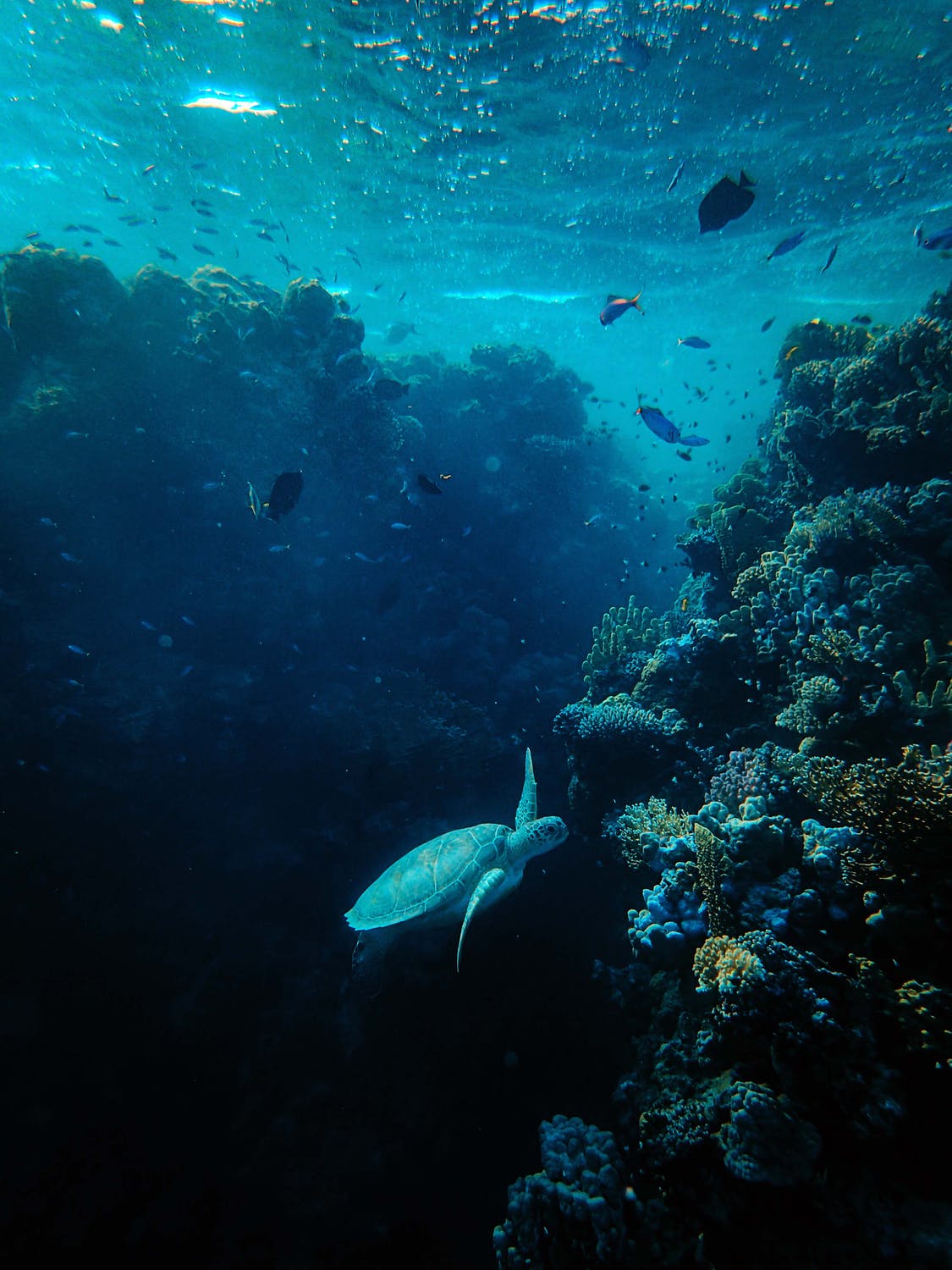
- Loggerhead sea turtle rescue in Cumbria, with the animal successfully released back into the Azores.
Marine Protection and Recovery
The review also highlights the success of protected marine areas and restoration initiatives, demonstrating how safeguarding habitats can support biodiversity recovery. Notable conservation milestones include:
- Giant mussel beds and increased lobster populations in Sussex following a trawling ban.
- Juvenile bass and shore crab proliferation in the Medway, the UK’s largest no-take zone.
- The return of spiny lobsters to Wembury Bay, Devon, after decades of population decline.
These findings reinforce the Wildlife Trusts’ call for stricter protections in UK Marine Protected Areas (MPAs) and a nationwide ban on bottom trawling, which disturbs critical seabed habitats.
Innovative Research and Conservation Projects
Among the most significant achievements of the year was the completion of The Blue Carbon Mapping Project, making the UK the first nation to estimate the carbon stored in its seabed habitats. This research underscores the importance of preserving marine ecosystems as part of global climate strategies.
Other key conservation projects featured in the review include:
- The UK’s first trial of remote oyster reintroduction in the Humber Estuary.
- A pioneering snorkel trail network across Scotland to promote marine biodiversity awareness.
- The use of AI and drone technology to monitor Alderney’s globally significant northern gannet population.
Conservation Milestones and Wildlife Sightings
Notable wildlife sightings and population recoveries documented in the 2024 marine review include:
- Humpback whales observed off Lancashire, Pembrokeshire, and North Wales.
- Record numbers of grey seal pups counted at Donna Nook, Lincolnshire.
- Discovery of the rare small-headed clingfish on the Isle of Man, a first for the area.
A Call for Greater Protection and Public Involvement
The Wildlife Trusts stress the need for stronger policies to safeguard the UK’s blue carbon resources and marine biodiversity. Ruth Williams, Head of Marine Conservation, stated:
“As the first country to map all its blue carbon habitats, the UK has a unique position to champion better protection for seabed habitats. They are the unsung heroes in our fight against climate change.”
The charity encourages the public to participate in beach cleans, wildlife surveys, and events to contribute to ongoing marine conservation efforts.