Source: https://gloverlandscapes.com/landscaping-services/outdoor-living-spaces/
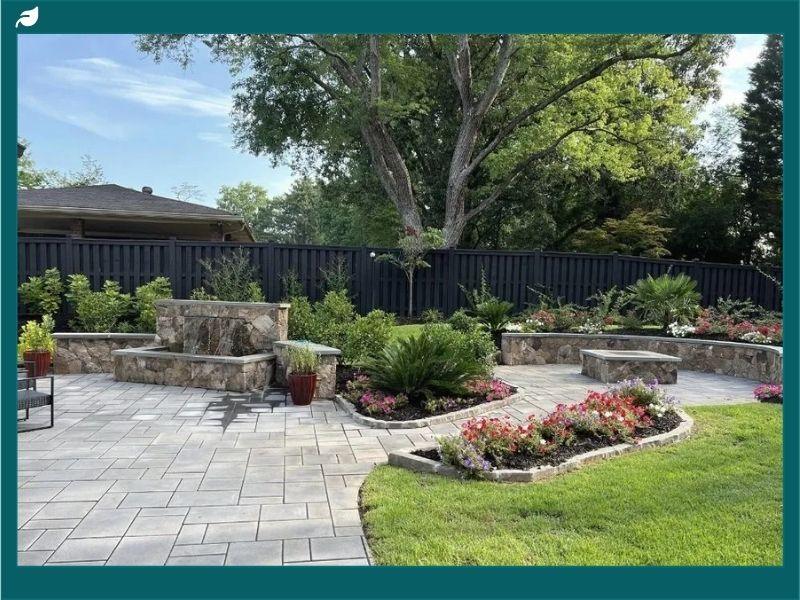
Today’s outdoor spaces are about more than just looking nice. People want areas outside that feel good and are environmentally friendly. A lot of homeowners and others want to use materials that look great and last a long time. These materials also need to be safe for nature. That is why many people pick patio slabs. They last a long time, can be used in many ways, and support low-impact construction practices. You can use them in yards for homes or for other places where people gather.
Building a Sustainable Foundation with Patio Slabs
Picking the right materials for your patio or garden path helps you keep things green. Patio slabs that come from places that care about the earth can last a long time. You do not need to change them often, so there is minimal waste. Modern production methods also focus on lowering embodied carbon and improving lifecycle performance through the use of recycled aggregates and locally sourced materials.
Patio slabs are strong. The way they are used helps the earth by making better use of what we have. If these patio slabs are regionally sourced to minimize transportation emissions, it means there is less need to bring them from far away. This helps keep the air clean. The tough finish helps them last for a long time, so they will not have to be fixed or changed often.
For architects and developers, many patio slab products now align with international sustainability certifications such as LEED or BREEAM, demonstrating compliance with responsible sourcing and carbon efficiency goals.
Reducing Maintenance along with Environmental Impact
Sustainability is not just about making a product; it is also about how it works over time. Patio slabs made for long use need little care. This helps to save water, energy, and cleaning products. Surfaces that fight stains, wear, and algae keep outdoor spaces clean and nice to use. They also help you avoid cleaning so often. By reducing the frequency of maintenance and cleaning, patio slabs indirectly support water conservation strategies outlined in green building guidelines.
This reduced need for care means less carbon is released into the air. It helps with green garden upkeep. In bigger ground work or city projects, patio slabs can use bases that let rainwater pass through. These bases help to stop extra water and spread out; they also help keep in line with Sustainable Drainage Systems rules. This permeability helps projects meet Sustainable Drainage Systems (SuDS) standards and supports responsible rainwater management, an essential aspect of climate-resilient landscape design.
Responsible Manufacturing and Lower Carbon
The way modern patio slabs are made brings good things for the environment. Most factories these days use better ways to work, like recycling water. Makers also pick their raw stuff with care. All this helps cut down the amount of carbon that comes from outdoor building materials.
A lot of firms are now using closed-loop production systems that recover water and heat, employ renewable energy sources, and minimize CO₂ emissions during firing and curing. Studies of Lifecycle Analysis (LCA) show that these methods can greatly lower embodied carbon compared to making concrete or stone in the usual way.
Lightweight but strong slab designs help to make moving and setting them up easier and faster. This can also help to lower emissions. When you use local sources and supply chains that look after the environment, patio slabs can be a big part of a green and helpful way to build and work on landscaping.
Design Flexibility Meets Sustainability
Sustainability does not mean you have to give up on design; you can find many finishes and colors in patio slabs. This gives people and designers a lot of creative freedom. You can go for a modern feel or pick a classic natural look.
With these good choices, you can meet your design goals and still help the environment. Precision cutting and modular sizing help minimize installation waste, supporting efficient resource use and reducing landfill contribution. This makes sure the materials are used well and not wasted, even if people do not always notice it.
The Future of Outdoor Design
Source:https://easy-peasy.ai/ai-image-generator/images/future-world-technology-nature-harmony-urban-jungle
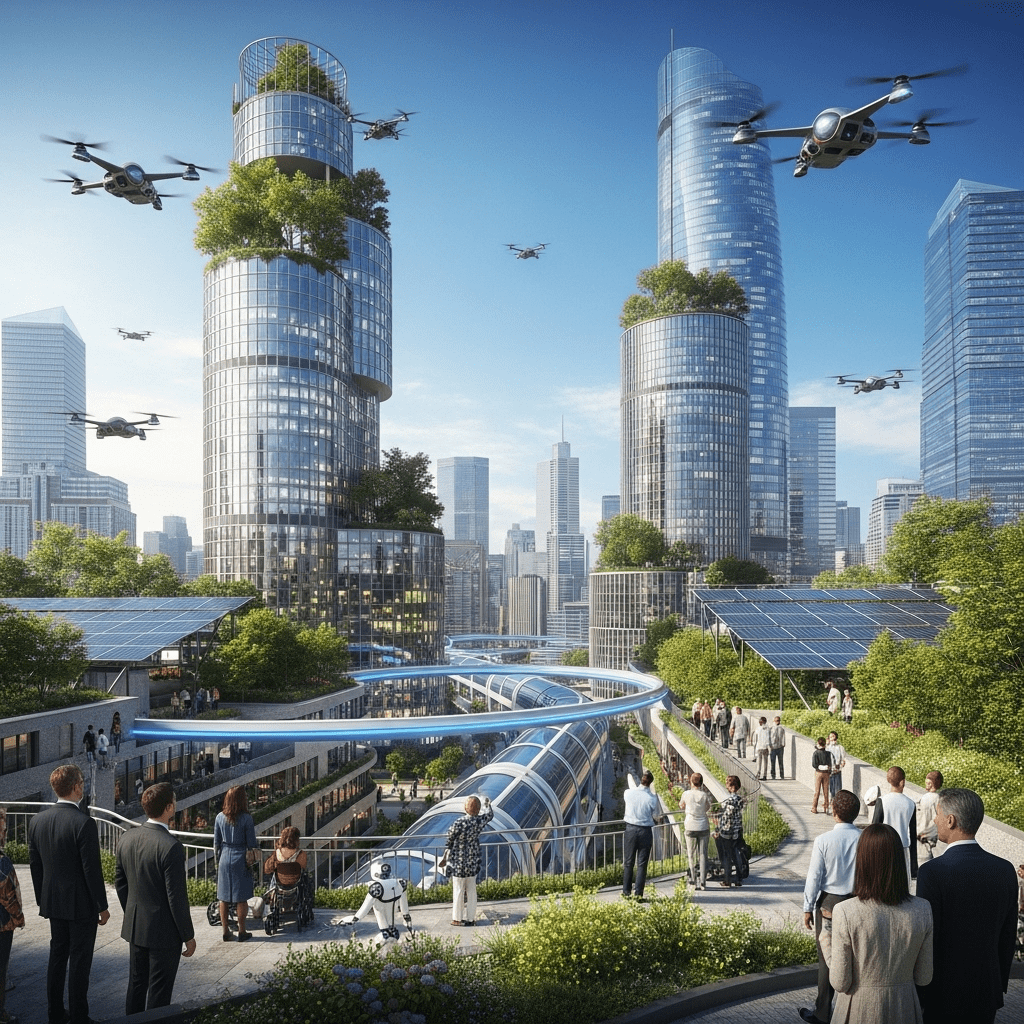
As the need for earth-friendly design grows, people are choosing patio slabs for outdoor spaces. They fit well with the demand for surfaces that last a long time, need little upkeep, and do not hurt the environment. Patio slabs also make your space look good.
New ideas in what we use and how we make things are helping us pick slabs that look good and work well. These choices also help take care of the planet. In gardens and on public paths, patio slabs will be a big part of making outdoor spaces better for people and nature in the future.
With stricter carbon targets and growing demand for eco-conscious infrastructure, sustainable patio slabs are becoming a cornerstone of resilient urban design.
Sustainability in outdoor building work is now a must. Patio slabs show the mix of good looks, strength, and care for the environment. When people pick top-notch slabs that are made with care, they can build places that stay good for years. This also helps to cut down on waste and save natural resources.
In the end, picking sustainable patio slabs is not only about design. It’s about helping to make a better and greener world. You help protect the earth with each outdoor space you choose. By integrating low-carbon materials, water-efficient systems, and life-cycle accountability, patio slabs align perfectly with the construction industry’s shift toward long-term environmental responsibility.