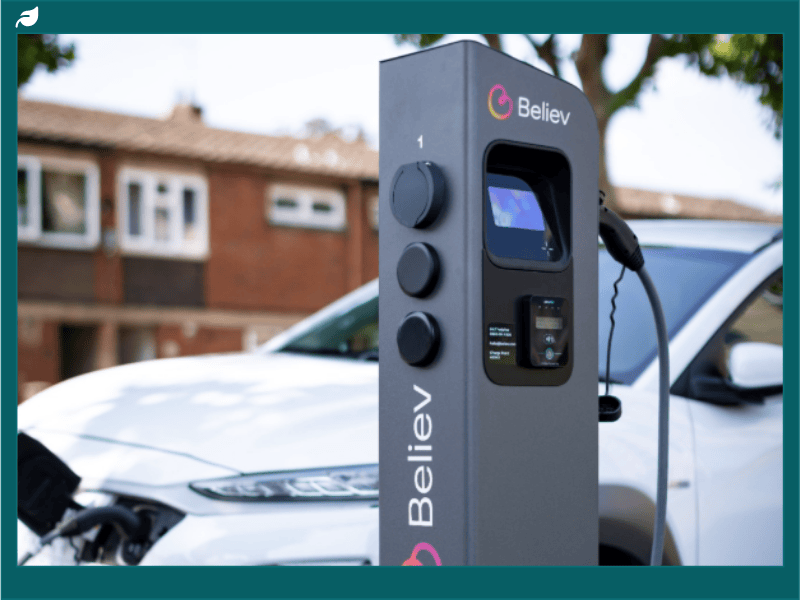
Charge point operator outlines four Budget priorities to support EV adoption
As the UK heads toward the Autumn 2025 Budget, EV charge point operator Believ is urging the Treasury to focus on measures that would make electric vehicle ownership and public charging more affordable. The call comes at a pivotal moment for the sector, following predictions of a potential pay per mile tax on EVs from 2028 and confirmation that EV drivers in London will lose their congestion charge exemption.
For many drivers, these developments risk undermining confidence in the shift to cleaner transport. Believ’s proposals centre on lowering the total cost of EV ownership and ensuring that national policy aligns with the broader goal of decarbonising the UK’s transport system.
A four point plan for affordability
Believ’s Budget submission outlines four policy changes that it argues would have a tangible impact on drivers, businesses and the UK’s public charging infrastructure.
1. Align VAT on public charging with domestic electricity
Drivers who cannot charge at home, including renters and those in flats, often pay more for public charging than those with private driveways. This is due in part to the 20 percent VAT rate applied to public charging, compared with 5 percent on domestic energy.
Believ says reducing VAT on public charging would help close this affordability gap. The company has committed to passing any VAT reduction directly to drivers, ensuring savings reach the point of use.
2. Avoid introducing business rates for charge point operators
The government had previously signalled plans to apply business rates to public charging infrastructure. According to Believ, this would increase operating costs for charge point operators and likely feed through to higher tariffs for users.
By removing business rates from future policy plans, the Treasury could support a more competitive charging market and encourage continued private investment.
3. Expand the EV grant scheme
The plug in car grant was phased out in 2022, but demand for targeted support has resurfaced as EV prices remain higher than many petrol and diesel models.
Believ proposes an expanded scheme that includes a wider range of vehicle models and offers higher discounts. The company argues that more generous grants would be particularly beneficial for lower income households and fleet buyers, who play an important role in driving the second hand EV market.
4. Reform standing charge calculations
Charge point operators currently pay standing charges based on future capacity, even before utilisation levels justify the costs. Believ says this creates unnecessary financial pressure and can limit the pace of infrastructure expansion.
A revised methodology that reflects real consumption rather than projected capacity would, according to the company, enable operators to maintain lower tariffs for consumers.
Balancing investment with policy support
Believ is expanding rapidly and has positioned itself as a major player in public infrastructure. Backed by £300 million in private investment announced earlier this year, the company says it will deliver at least 30,000 new charge points at no cost to the taxpayer.
Guy Bartlett, CEO at Believ, argues that private investment needs to be matched by a supportive policy environment if the UK is to accelerate EV adoption.
“EVs are the future of sustainable transport and as such must be accessible, with cost an integral part of accessibility. As outlined in our four wishes, we need the Treasury to take a holistic, end-to-end approach to furthering EV uptake, recognising vital, private investment and supporting the UK’s decarbonisation of transport.”
He adds that visibility of long term policy direction is essential for maintaining investor confidence and giving households clear signals about the financial viability of switching to an EV.
“Combined with Believ’s mission to deliver cleaner air for all, and our £300 million commitment to expanding the UK’s charging network, these measures send a powerful message that the UK is serious about making EVs a viable choice for everyone.”
Policy pressure grows as costs rise for drivers
Believ’s proposals reflect a wider debate across the EV and charging industry. The removal of congestion charge exemptions, alongside potential future road pricing, has raised concern about whether costs will place EV ownership out of reach for some households.
For the UK to meet its climate targets and decarbonise transport, analysts say that the transition must be both technologically feasible and socially equitable. Low income households, in particular, are less likely to have access to home charging and more likely to rely on public infrastructure.
Industry groups, including Charge UK, are calling for policies that ensure the financial benefits of EV adoption are shared fairly. This includes targeted consumer incentives, stable regulation and support for accelerating the rollout of accessible charging locations across urban and rural areas.
Building confidence in the charging network
Believ works with local authorities, landlords and businesses to deliver public charging that is reliable and accessible. Partnerships with councils remain central to the company’s approach, with many UK municipalities seeking private investment to meet local net zero goals without additional taxpayer burden.
The broader sector is also grappling with driver concerns about charging availability, cost transparency and network reliability. Consistent price signals and fair taxation play an important role in building trust in EV infrastructure.
By proposing measures focused on the long term cost of EV ownership, Believ aims to influence Budget decisions that could shape the economics of transport over the next decade.
A critical moment for the UK’s EV strategy
The Autumn Budget comes at a time when policymakers face competing priorities: stimulating EV demand, safeguarding public finances, and ensuring the tax system remains balanced as petrol and diesel revenues decline.
Believ’s four point plan presents the government with a clear set of actions that the company believes would lower costs, accelerate adoption and support a robust charging network. The proposals align with calls from across the industry for a joined up approach that boosts confidence among drivers and investors.
With the UK’s 2030 and 2035 phase out deadlines for petrol and diesel vehicles still in place, decisions made in the coming months will influence the speed and fairness of the transition.