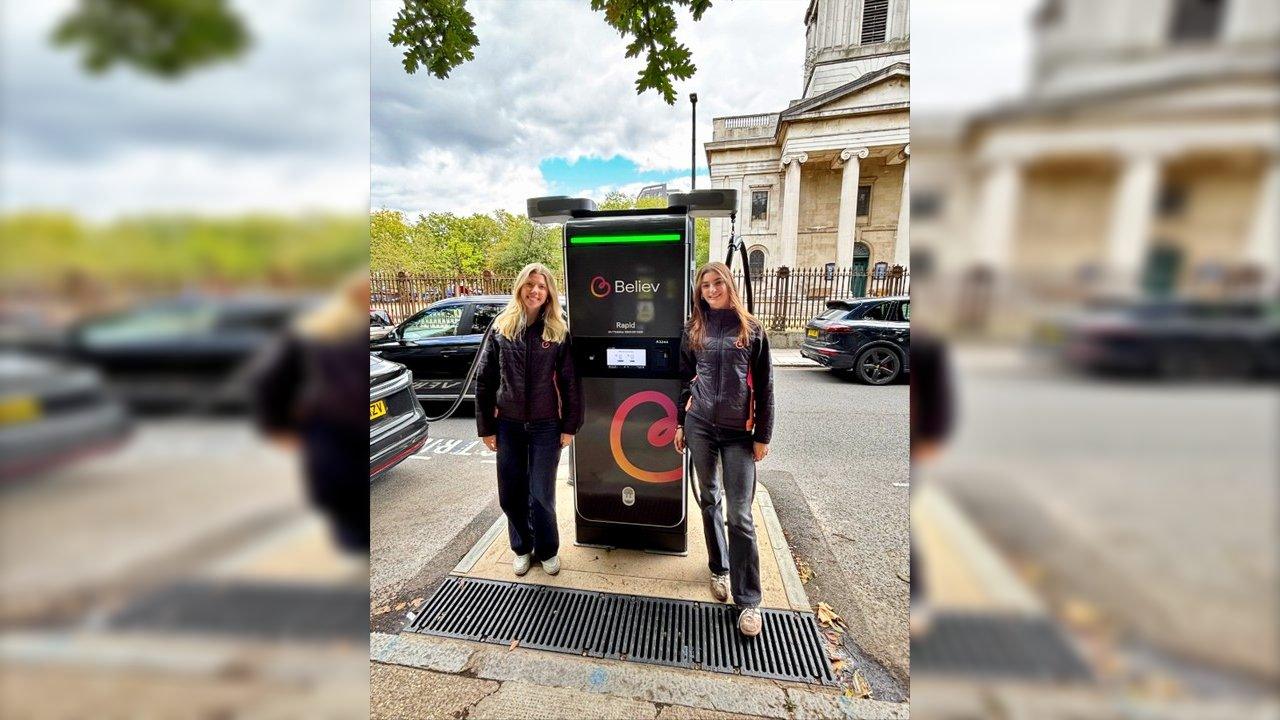
The Canadian government has announced a major investment to support the installation of over 350 EV charging stations in the city of Ottawa.
The announcement comes with growing pressure to reduce polluting emissions from the transportation sector, which will be crucial to the country’s climate targets.
The C$2m investment in local power company Hydro Ottawa is intended to make electric vehicles (EVs) a more affordable, viable choice for families and those who work in the city.
The project is to be funded by Canada’s Zero-Emission Vehicle Infrastructure Program (ZEVIP), which hopes to achieve a target of ensuring that every vehicle sold in Canada be zero-emission by 2035.
Since 2015, Canada has invested over C$1bn in electric vehicle viability, including building fast EV charging station networks, and providing rebates to help make EVs more affordable. This incentive has been taken by over 125,000 individuals and businesses across the country.
“We’re making electric vehicles more affordable and accessible for Canadians from coast to coast to coast,” said Canada’s Minister of Natural Resources, the Hon. Jonathan Wilkinson.
“Investing in more charging stations like the ones announced today in the City of Ottawa will allow more Canadians to be in the driver’s seat on the road to a net-zero future and help achieve our climate goals.”
The transportation sector accounts for 25% of Canada’s total greenhouse emissions. Meeting Canada’s goal of net-zero by 2050 will require substantial investment in reducing the impact of this sector.
“We are committed to help meet our city’s climate change goals and our customers’ expectations when it comes to their energy needs,” said Bryce Conrad, President and CEO of Hydro Ottawa.
“NRCan’s ZEVIP funding program will help Ottawa residents and businesses in their transition to electric vehicles by making that option much more accessible.
“I’m proud that Hydro Ottawa can play a role in that transition as we work toward a clean, smart energy future.”
Hydro Ottawa will select the recipient areas and businesses of the new EV charging stations through a demand-based process.
The EV charging stations will be installed in public places, workplaces, and service facilities for light-duty EV fleets, and are expected to be operational by September 2023.