AmphiStar Secures €12.5m EIC Investment to Scale Sustainable Chemistry
In a decisive moment for Europe’s sustainable chemistry sector, Belgian biotech firm AmphiStar has secured €12.5 million in funding from the European Innovation Council (EIC) to accelerate the commercialisation of its upcycled biosurfactants. The award, announced on July 9, places AmphiStar among just 40 companies selected from nearly 1,000 applicants for their transformative technologies with strong commercial potential.
The funding package consists of a €2.5 million grant and a €10 million equity investment, underscoring the EIC’s confidence in AmphiStar’s synthetic biology platform, which creates bio-based alternatives to common petrochemical surfactants used across industries from personal care to household cleaning.
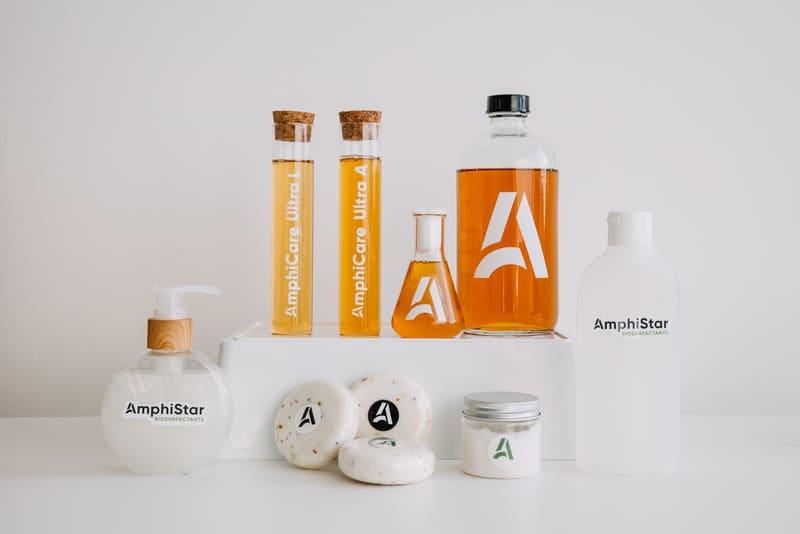
“ This funding success enables us to take the next steps in AmphiStar’s journey to commercialisation,” said AmphiStar COO Sophie Roelants. “ We now look forward not only to further scaling production of our commercially available products (AmphiCareⓇ and AmphiCleanⓇ), but also to bringing a first novel biosurfactant from our biosurfactant platform technology to market while expanding our range of products beyond our current personal care and home care offerings.”
Scaling a Circular Chemistry Platform
AmphiStar’s biosurfactants are produced by fermenting upcycled bio-based waste and side streams, deliberately avoiding virgin crop-based feedstocks such as palm oil or sugar. This differentiates the company in a surfactant market dominated by synthetic products derived from fossil fuels and resource-intensive crops.
AmphiStar’s platform currently includes a library of over 80 biosurfactant molecules, tailored for performance in specific applications through synthetic biology. The company’s two initial products, AmphiCare™ and AmphiClean™, entered the market in July 2024, targeting home and personal care sectors.
The company’s approach also aligns with growing industry and regulatory pressure to reduce environmental impacts. Surfactants like Sodium Laureth Sulfate and Amine Oxides have long been scrutinised for their ecological footprint. According to a recent Life Cycle Analysis (LCA) conducted by AmphiStar, its biosurfactants reduce global warming potential fourfold compared to non-upcycled sophorolipids, sixfold compared to Sodium Laureth Sulfate, and by a factor of 9.5 compared to Amine Oxides.
AmphiStar’s LCA also reported significant reductions in water and land use, as well as lower impacts on human health, ecosystem quality, and resource availability.
EIC Backs Belgian Pioneer
AmphiStar’s success in the EIC’s open call speaks to the council’s belief in bio-based chemistry’s role in the future of European industry. The latest round saw nearly €230 million distributed among companies with the potential to redefine their respective markets.
“ This funding reflects the confidence that EIC has in AmphiStar’s ability to transform one of the key chemical markets,” said AmphiStar CEO Pierre-Franck Valentin. “ With growing consumer pressure on industry to offer less harmful products, the financial support ensures that we will continue to lead the way in replacing environmentally damaging synthetic surfactants with bio-based alternatives that retain functionality and performance while being kind to people and our wider ecosystem.”
Growing Momentum in Sustainable Surfactants
AmphiStar’s achievement comes amid rising momentum for sustainable alternatives in the broader chemical industry. Synthetic surfactants, essential in everything from shampoos to industrial cleaners, have come under increasing scrutiny due to their carbon intensity, aquatic toxicity, and land-use impacts.
Europe’s Chemical Strategy for Sustainability, part of the European Green Deal, specifically identifies the need for safer and more sustainable chemicals. Biosurfactants represent one such opportunity, although scaling production cost-effectively remains a challenge.
AmphiStar appears poised to address this hurdle. The new funding builds on €12 million previously raised through CBE-JU projects such as Waste2Func and SurfsUP, as well as regional grants from VLAIO and early support from the German SPRIN-D and Ghent-based Biotope. A pre-Series A round in 2024 backed by venture capital funds ECBF, Qbic, and PMV helped establish commercial operations.
The company has already expanded beyond Europe. In 2024, AmphiStar signed a strategic agreement with Illinois-based surfactant manufacturer Kensing to bring its biosurfactants and production technology to North America. Further agreements with European partners are reportedly being finalised.
A Broader Industry Shift
AmphiStar’s progress reflects a wider shift within the surfactants market. According to a report by Allied Market Research, the global biosurfactants market was valued at around $5.5 billion in 2022, with projected growth driven by regulatory pressures, consumer awareness, and advances in production technologies.
While legacy surfactants like Sodium Laureth Sulfate remain industry staples, companies such as AmphiStar are redefining what’s possible through synthetic biology and circular feedstock strategies.
AmphiStar’s combination of upcycling waste streams, developing novel molecules, and securing cross-continental partnerships signals a maturing market where sustainability is not just an environmental imperative but a business advantage.
For more information about AmphiStar, visit: https://amphistar.com