Can your fulfillment operations keep pace with your brand’s growth?
As your business expands, fulfillment systems face increasing pressure. Each new product launch, marketing push, or sales channel adds complexity. Brands that grow without a scalable fulfillment strategy often encounter familiar problems, including stockouts, delayed deliveries, and inconsistent customer experiences. Over time, this creates a widening gap between ambitious growth targets and the ability to deliver on them.
When implemented correctly, value added services play a critical role in closing that gap. They do more than streamline daily operations. They improve fulfillment speed and help create a consistent customer experience, both of which are essential for maintaining momentum at scale.
Strong order fulfillment optimization provides the foundation growing businesses need to scale with confidence. This article outlines a practical, step by step approach to building a fulfillment strategy that evolves alongside your business.
Why Fulfillment Strategy Matters for Growth
A well-laid-out fulfillment strategy creates the foundation for environmentally responsible business growth. Moving products from warehouse to doorstep is just the beginning. Your bottom line benefits directly from effective fulfillment that creates competitive advantages.
The link between fulfillment and customer experience
The moment where operational efficiency meets customer satisfaction happens during fulfillment. Your brand’s perception depends on how accurately and quickly you complete this process. In fact, 79% of consumers might not buy again from a brand after a poor post-purchase experience.
Good order fulfillment drives several growth factors at once. Accurate and prompt delivery improves customer satisfaction and leads to repeat business. A strong brand reputation builds up when you fulfill orders consistently within quoted timeframes. It also optimizes operational efficiency through better inventory management, which saves costs and increases capacity.
The stakes rise higher for growing brands. About 84% of consumers won’t shop with a brand again if they have a poor delivery experience. Customer expectations have evolved – 90% now expect delivery within two to three days as standard.
Common challenges faced by growing brands
Growing brands face complex fulfillment challenges as ecommerce expands to USD 7.40 trillion by 2025.
Inventory management leads the list of concerns. Ecommerce firms see an average out-of-stock rate around 8%, which jumps to 10% for sale items. These stockouts hurt customer trust and loyalty while losing sales. Many growing brands address this by centralizing inventory data through small business erp solutions, which connect stock levels, orders, and fulfillment workflows in one system.
Returns management creates another big challenge. Poor returns experiences drive away nearly one-third of consumers from future shopping. An efficient returns process becomes essential since 61% of shoppers return at least one online order in 2024.
Other common obstacles include:
- Finding balance between shipping costs and customer expectations for free or low-cost delivery
- Meeting tight delivery windows (30% of customers expect same-day delivery)
- Providing up-to-the-minute order tracking that 90% of customers just need
- Maintaining quality while scaling operations for varying order volumes
A fulfillment strategy that solves these challenges does more than optimize operations—it builds sustainable growth.
Audit Your Current Fulfillment Setup
A full review of your current fulfillment operations must happen before any improvements. This assessment shows crucial gaps and creates a baseline to measure future progress.
Review order accuracy and delivery speed
Your order accuracy rate comes from dividing perfect orders by total orders and multiplying by 100. Top businesses maintain rates between 96% and 98%. You should track errors such as wrong quantities, damaged products, and missing documentation to spot patterns.
Speed of delivery needs to match customer expectations. Research shows 84% of consumers won’t come back after just one bad shipping experience. Your fulfillment process needs tracking of on-time shipping percentages and transit times to find delays.
Identify bottlenecks in inventory and returns
System “jams” slow down processes and create ripple effects downstream. Your supply chain needs a close look from raw materials to final delivery. The key areas to watch are:
- Excess inventory that ties up capital and raises storage costs
- Stockouts that lead to missed sales opportunities
- Slow responses to market changes
- Information gaps between departments
Returns management deserves attention since 14.5% of all retail sales (worth $743 billion) came back in 2023. Product tracking from start to reinventory makes up the returns process. Your system needs dedicated return areas and quality control protocols to run smoothly.
Review your 3PL or in-house capabilities
Your current fulfillment model must align with your growth plans and operational priorities. In-house fulfillment offers direct control over processes and allows teams to tailor workflows around brand values, but it also demands significant time, staffing, and capital that can pull focus away from core business areas.
Established partners bring advanced warehouse management systems, automation, and operational expertise that can be difficult to build internally, particularly in apparel fulfillment, where inventory management, returns, and SKU coordination become harder to maintain at scale. Working with the right provider reduces friction rather than creating it. For example, The Fulfillment Lab 3PL provider supports scaling brands with flexible fulfillment infrastructure and value added services designed to grow alongside demand, while maintaining visibility and consistency across operations.
A strong audit compares cost, speed, accuracy, scalability, and communication across both models. Focusing on practical performance data helps uncover quick wins and informs long term fulfillment decisions that support sustainable growth.
Leverage Technology and Value-Added Services
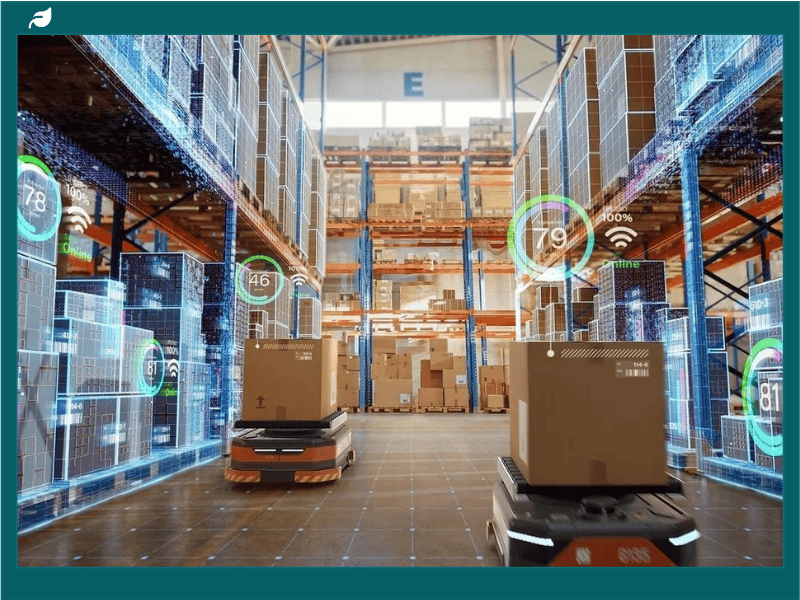
Technology and value added services play a central role in scaling fulfillment operations efficiently. When applied strategically, they remove bottlenecks, improve visibility, and support responsible growth as order volumes increase:
- Use order management and warehouse systems to streamline operations
Warehouse management systems improve accuracy and speed across receiving, picking, and shipping. Integration with ERP and transportation systems creates end to end visibility and can reduce order processing times significantly. - Automate repetitive tasks to increase efficiency
Automation reduces manual effort in inventory tracking and replenishment. Optimized workflows improve productivity, reduce errors, and help teams focus on higher value tasks. - Integrate value added services such as kitting and labeling
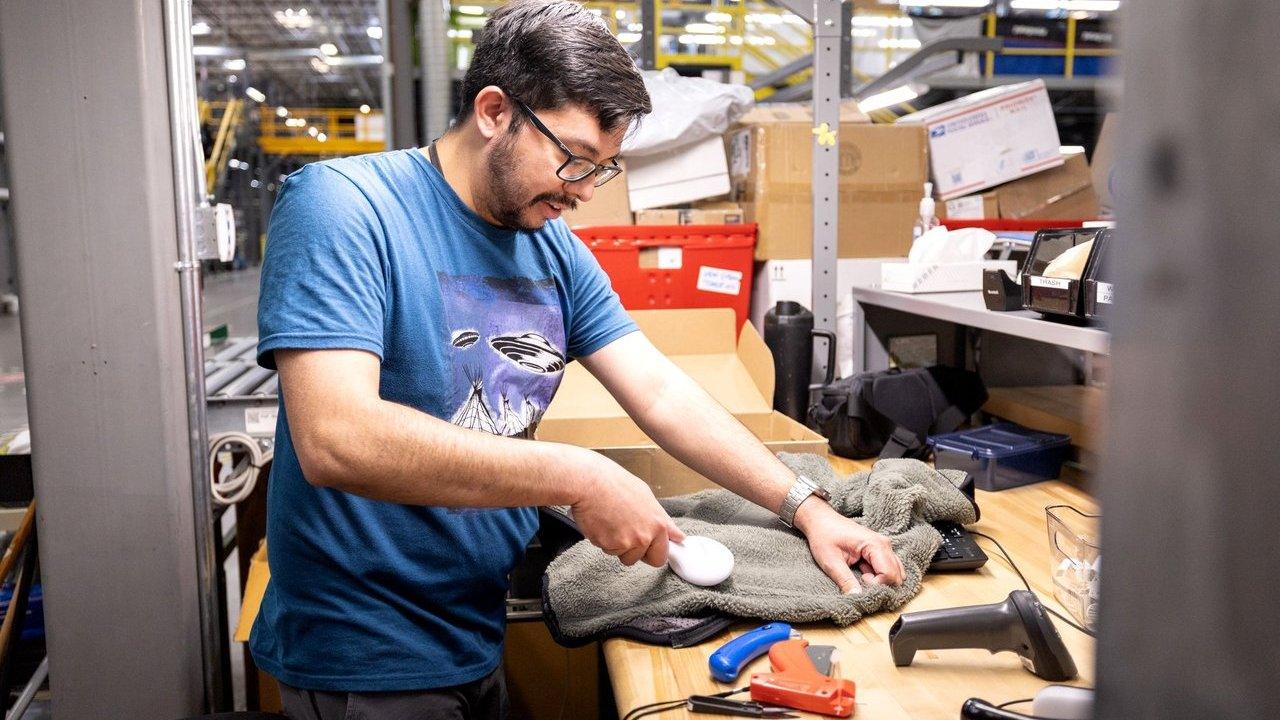
Pre assembling and labeling products shortens fulfillment time and reduces handling errors. These services improve inventory organization, lower shipping costs, and enhance presentation. - Use real time data to strengthen fulfillment performance
Live inventory, sales, and shipment data supports faster decisions and automatic reordering. Connected systems using RFID, IoT, and cloud platforms improve accuracy and enable higher fulfillment rates at scale.
Build for Scalability and Long-Term Success
A scalable fulfillment operation relies on strong fundamentals and systems that adjust as demand grows. Long term success comes from processes that support efficiency, flexibility, and responsible expansion.
The following steps outline how to build a system that can adapt as demand increases and business needs evolve:
- Standardize workflows for accuracy and efficiency
Clear fulfillment procedures reduce errors and help teams perform consistently at any order volume. Standardization improves data quality, speeds up onboarding, and strengthens coordination across teams. - Design flexible operations for demand spikes
Scalable brands adjust staffing, workflows, and carrier options quickly during high volume periods. Real time warehouse visibility helps maintain service levels as order volumes change. - Balance cost control, delivery speed, and sustainability
Shared freight, intermodal shipping, and route optimization reduce costs while lowering environmental impact. Monitoring shipping spend per order helps keep growth financially sustainable. - Prepare teams to adopt new tools and processes
Cross trained employees can move between roles as needs shift. Clear training programs help teams adapt faster and maintain operational consistency. - Review performance regularly and refine as you scale
Ongoing evaluation of fulfillment metrics reveals bottlenecks and improvement opportunities. Regular adjustments keep systems aligned with growth goals and evolving customer expectations.
Fulfillment as a Growth Multiplier
A scalable fulfillment strategy is not a one time project. It is a living system that evolves alongside your brand, supporting expansion without sacrificing efficiency, customer trust, or operational clarity. When fulfillment is treated as a strategic priority, it stops reacting to growth pressures and starts enabling progress.
Brands that invest in the right mix of process design, technology, and value added services gain more than faster shipping or cleaner workflows. They create reliability at scale. Teams work with greater confidence, customers receive consistent experiences, and leadership gains visibility into performance that supports smarter decisions.
Growth does not have to strain fulfillment operations. With a thoughtful strategy in place, fulfillment becomes a quiet force behind sustained momentum, supporting both operational excellence and responsible business growth.