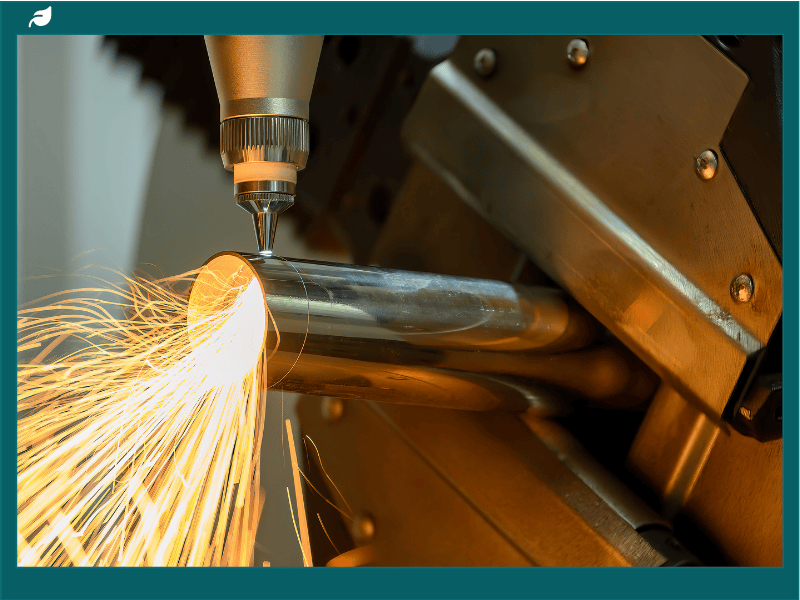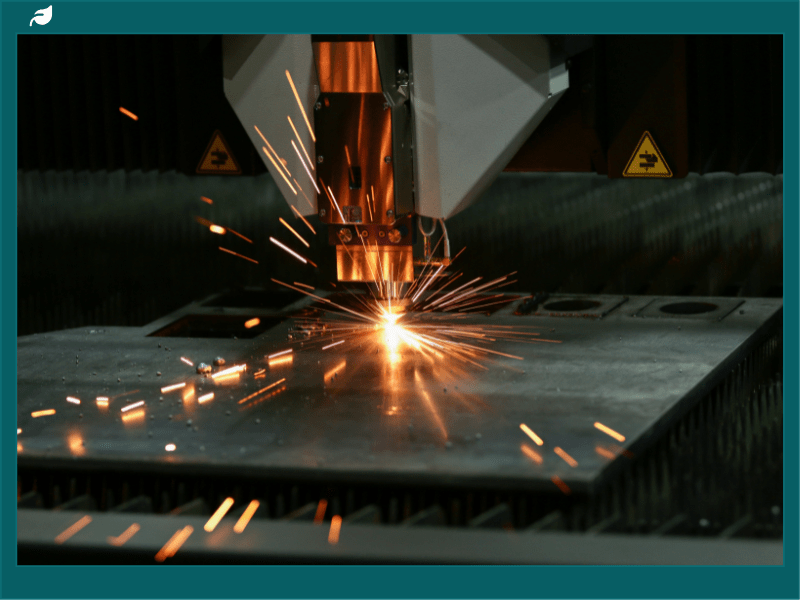
Sustainability in manufacturing is often framed around large-scale change, new materials, new systems, new regulations. In practice, the gains that hold tend to come from something less visible. Time spent around fabrication quickly shifts the focus. Conversations move away from speed or precision and settle on something more immediate. In fabrication settings, conversations around a laser cutter in Melbourne often move past speed or precision and settle on something more immediate. And that is how much material actually ends up being used.
Laser cutting has long been associated with accuracy. That point is well understood. What is less frequently examined is how closely it is tied to waste, particularly when the process is approached with intent rather than routine.
How Material Planning Shapes Waste Outcomes From The Start
Waste in sheet materials rarely appears in obvious ways. It builds gradually, in offcuts that do not quite fit the next job and layouts that seemed efficient until the work was done. Traditional cutting methods tend to accept that loss as part of the process.
Laser cutting offers a different outcome, though only when planning is taken seriously. Nesting software allows operators to approach layout with a level of precision that changes how material is used. The difference is not theoretical. It becomes visible in what remains after the job is complete.
The IEA report on material efficiency in clean energy transitions notes that improving material efficiency can reduce industrial energy demand by up to 20% in certain sectors. At this stage, that idea becomes tangible. Using less material reduces pressure across the entire production chain.
In workshops where this is prioritised, layout is no longer treated as a quick preparatory step. It is reviewed, adjusted, and refined. The gains may appear incremental, but across repeated production cycles, the reduction in waste becomes difficult to overlook.
Why Cutting Accuracy Directly Influences Resource Use
Precision is often positioned as a measure of quality. In practice, it directly shapes resource use. A cut that falls outside tolerance does more than affect fit. It requires the process to be repeated.
Material is lost, machines run longer, and production timelines shift. These outcomes are familiar across manufacturing environments, which is why they are sometimes accepted without much scrutiny.
When tolerances are managed properly, that pattern changes. Parts align as intended, and production continues without interruption. The relationship is straightforward. Fewer errors lead to fewer repeated processes, and in turn, lower material and energy use.
How Energy Efficiency Depends On Operational Discipline
Laser cutting is an energy-intensive process. That is unlikely to change. What does vary is how efficiently that energy is used.
Differences often come down to operational discipline. Poor maintenance, rushed setups, and repeated adjustments introduce inefficiencies that accumulate over time. They are not always visible in isolation, though their impact is consistent.
A well-managed workflow tends to appear uneventful. Jobs move through without disruption, and machines operate within expected parameters. This approach reflects a broader shift across manufacturing. Across manufacturing, energy use is increasingly being matched to real production demand, reducing waste at its source, as explored in recent coverage of automation and sustainable manufacturing.
Why Local Fabrication Supports Lower Emissions
Manufacturing is gradually becoming more localised. The shift is not simply strategic. It reflects the cost and inefficiency associated with extended supply chains.
Producing closer to the point of use reduces transport requirements and allows for smaller, more responsive production runs. Both contribute to lower overall resource use.
Laser cutting supports this model. It enables flexible production without relying on centralised facilities. The environmental benefit is measurable, particularly in reduced transport emissions and lower volumes of unused stock.
How Early Design Decisions Influence Downstream Waste
By the time cutting begins, much of the outcome has already been determined. File structure, layout decisions, and material selection all influence what follows.
Inefficient design introduces problems that cannot be fully corrected during production. Additional cuts, wasted space, and unnecessary complexity are common consequences.
When design is treated as part of the manufacturing process rather than a separate stage, these issues are addressed earlier. Layouts improve, materials are used more effectively, and in some cases, alternative options with lower environmental impact are introduced.
Why Consistency Often Outperforms Short-Term Cost Savings
Cost remains central to decision-making, though it rarely reflects the full operational picture. Lower pricing can conceal inefficiencies that emerge during production.
Repeated runs, wasted material, and corrective work all contribute to increased resource use over time. These factors are not always visible at the outset.
A consistent process tends to deliver more stable outcomes. Fewer errors, improved material utilisation, and smoother workflows result in both operational and environmental efficiencies. The initial cost may be higher, though the long-term performance often justifies the difference.
Final Thoughts
Laser cutting does not resolve the broader sustainability challenges facing manufacturing. What it does provide is a clear example of how incremental improvements influence outcomes.
Careful planning, disciplined execution, and a willingness to refine existing processes all contribute to reducing waste. The effect is cumulative. Over time, these adjustments shape a more efficient and more sustainable approach to production.