Sustainable business practices are reshaping the property industry by changing how owners operate, maintain, and improve their assets. The shift is practical: reduce avoidable resource use, catch problems earlier, make replacement decisions with the asset’s service life in mind, and document results.
For owners, that usually means:
- tracking energy and water use;
- scheduling preventive maintenance;
- choosing durable replacements;
- using technology to identify problems while people make decisions; and
- planning improvements around property condition and operating needs.
The goal is disciplined asset management, not broad environmental claims.
Energy Efficiency Is Becoming an Asset-Management Issue
Buildings account for roughly 30% of global energy use and 26% of global energy-related carbon dioxide emissions. That scale helps explain why energy performance has moved into routine discussions about property operations, capital planning, and building standards.
Energy efficiency does not have to begin with a large renovation. It can begin with recurring HVAC problems, poor insulation, air leakage, outdated lighting, or aging equipment. The important question is whether the work addresses a documented operating problem and whether the result can be measured.
That distinction matters for owners. Replacing functioning equipment simply because a newer option is more efficient can create unnecessary capital expense. In many cases, the more responsible decision is to maintain the current system properly, monitor its performance, and plan a replacement when conditions, repair history, and expected service life support the investment.
Property Management Is Becoming More Systems-Driven
Sustainability depends on what happens between major capital projects. Inspections, work orders, vendor coordination, turnover work, preventive maintenance, and repair records all affect how efficiently a property operates over time.
For rental owners, Property management services can provide the operating structure needed to connect inspection findings, maintenance history, vendor work, and replacement timing. The value comes from documented processes and clear responsibility for follow-up rather than relying on one person to remember every detail.
A systems-based approach also helps owners separate isolated repairs from recurring issues. Repeated equipment failures, recurring water intrusion, or unexplained utility changes should be easier to identify when the history is documented.
That information can improve decision-making. A single plumbing repair may require no further action. Four similar repairs in the same area over a short period may justify investigating the supply line, fixture type, installation quality, or another underlying cause.
Sustainable property management works in much the same way: identify patterns, correct the cause where practical, and document whether the solution worked.
Existing Properties Can Improve Without Starting Over
Sustainability is not limited to newly constructed properties. Existing buildings can improve through targeted retrofits, better controls, maintenance changes, and carefully timed replacement work.
A useful example comes from the adaptive reuse of Seattle’s 1913 Federal Reserve Bank. The project reduced energy use by 48%, water consumption by 35%, and embodied carbon by more than 50%.
Those figures come from one project and should not be treated as a forecast for another building. What they demonstrate is that an existing structure can sometimes deliver substantial improvements when owners evaluate what can be retained and where targeted changes will have the greatest practical effect.
For a smaller rental property, the same principle applies at a different scale: keep what works, identify weak points, and improve the parts creating measurable waste or recurring maintenance.
That could mean improving insulation during another planned project, installing a more efficient replacement when equipment fails, repairing air leakage, correcting drainage problems, or selecting longer-lasting materials during a turnover.
Preventive Maintenance Supports Sustainable Operations
A property cannot operate efficiently when basic maintenance is inconsistent. Dirty HVAC filters, damaged weatherstripping, leaking fixtures, clogged drainage, poorly calibrated thermostats, or deferred exterior repairs can create waste while shortening the useful life of building components.
Preventive maintenance lets owners address sustainability without creating a separate program. A schedule can identify what needs inspection, how often it should be checked, who is responsible, and what should be recorded.
That structure can cover tasks such as checking HVAC filters, inspecting visible plumbing, reviewing roof and gutter conditions, testing thermostats, examining exterior seals, and confirming that irrigation systems are operating correctly.
The record is important. If a component is replaced but the underlying issue is never tracked, the improvement is difficult to evaluate. Maintenance history helps show whether a repair solved the problem or only delayed it.
It also gives owners better information when budgeting. Equipment that requires repeated service may deserve replacement sooner than an older unit that remains reliable and performs as expected.
Water Management Deserves the Same Attention as Energy
Water efficiency is often discussed in terms of fixtures, but property-level water management is broader. Leaks, irrigation schedules, damaged supply lines, running toilets, drainage problems, and unnoticed moisture can all affect operating costs or physical condition.
Owners can make water management more disciplined by adding leak checks to inspections, addressing recurring moisture promptly, and considering water-efficient replacements when fixtures reach the end of their useful life.
Timing matters. Replacing a working fixture only to claim an environmental improvement may not be the right asset decision. An efficient, durable replacement is easier to justify when the property already requires the work.
Outdoor areas also deserve attention. Irrigation problems can remain unnoticed when nobody regularly checks spray patterns, damaged lines, runoff, or watering schedules. Adding those items to routine property inspections creates a documented process rather than relying on residents or neighbors to report a problem.
Materials Should Be Chosen for Service Life, Not Labels
Sustainable purchasing should account for durability, maintenance requirements, repairability, availability, and suitability for the property. A material with an environmental label that performs poorly in the actual application can create additional replacement work later.
Owners should compare practical factors before approving a replacement:
- expected service life;
- maintenance frequency;
- compatibility with existing systems;
- local climate and exposure;
- availability of replacement parts or materials; and
- total installed cost.
This keeps purchasing tied to asset needs. It also helps property teams create consistent standards for recurring items such as flooring, paint, plumbing fixtures, lighting, appliances, and exterior materials.
Consistency becomes particularly useful across multiple properties. If the same material repeatedly fails under similar conditions, owners have documented evidence to reconsider that specification rather than continuing to make the same replacement.
Technology Should Improve Human Service
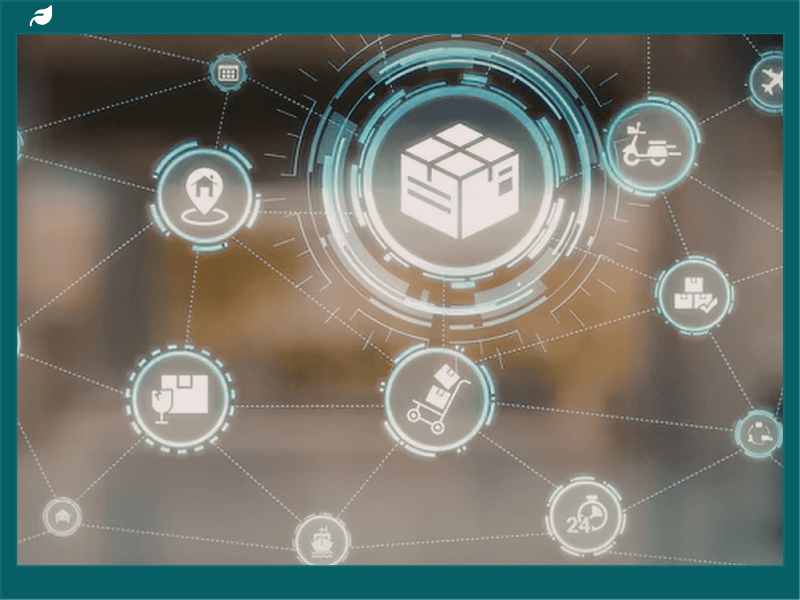
Smart thermostats, leak sensors, utility dashboards, maintenance platforms, and remote monitoring tools can help property teams see conditions they might otherwise miss. Their role is to provide useful information, not replace professional judgment.
A leak sensor can flag unusual moisture, but it cannot determine the full cause, assess hidden damage, coordinate repairs, or communicate with a resident about access. Those steps still require people.
The same principle applies to maintenance software. Automatic reminders can reduce missed tasks, but someone still needs to review the work, confirm completion, examine recurring issues, and decide whether further action is justified.
Owners should ask what problem a tool solves, who reviews the information, what follows an alert, and how the outcome is recorded. Technology is useful when it strengthens an existing operating process.
Resilience Is Part of Sustainable Property Care
Long-term sustainability also means preparing the asset for the conditions it is likely to face. Roof condition, drainage, insulation, ventilation, exterior sealing, shading, and HVAC capacity can influence how well a property performs through heat, heavy rain, wind, or other local stresses.
The response depends on the property and location. Inspections and maintenance records should identify the asset’s actual vulnerabilities rather than relying on a generic checklist.
For example, a property with repeated drainage problems may need a different investment priority than a property where aging HVAC equipment creates recurring service calls. Sustainability decisions become more useful when they respond to conditions observed at the actual asset.
Local building, energy, water, and rental requirements can change. Owners should verify what applies to their property and consult a qualified attorney, CPA, contractor, or other appropriate professional when legal, tax, or technical interpretation is required.
A Practical Framework for Sustainable Property Decisions
Before approving an improvement, an owner can ask six questions:
- What specific property problem are we trying to solve?
- What inspection, maintenance, or utility records show that the problem exists?
- Is the current system still serviceable?
- What is the expected life of the proposed replacement?
- What result will we measure after the work is complete?
- Who will review the result and decide whether further action is needed?
This framework keeps sustainability tied to evidence. It also discourages spending on improvements that have no clear operating purpose.
For portfolio owners, consistent inspection fields, maintenance categories, vendor expectations, and equipment records make recurring problems easier to compare across properties.
Over time, that information can support more predictable maintenance planning and help owners decide which improvements deserve priority.
Frequently Asked Questions About Sustainable Business Practices in Property Management
What are sustainable business practices in property management?
They are operating practices designed to reduce unnecessary energy, water, material use, and repeat maintenance while supporting the property’s long-term condition. Examples include preventive maintenance, leak detection, efficient replacement decisions, documented vendor standards, utility monitoring, and planned equipment replacement.
Which sustainable property improvements should owners consider first?
Start with documented problems. Recurring HVAC issues, leaks, air gaps, outdated lighting, drainage problems, or aging equipment may deserve attention before optional upgrades. Compare condition, remaining service life, installed cost, maintenance needs, and the result you expect to measure.
Can sustainable practices reduce property operating costs?
They can when a change reduces resource use, prevents repeat damage, or improves the performance of building systems. Savings are not guaranteed. Climate, utility rates, resident behavior, property condition, installation quality, and maintenance can all affect the outcome, so owners should measure actual results.
How can property technology support sustainability?
Technology can help teams identify unusual conditions, organize maintenance histories, track equipment, and respond to problems earlier. It works well when there is a defined human process behind it: someone must review the information, determine the cause, authorize appropriate work, and document what happened.
Does every rental property need the same sustainability upgrades?
No. Property age, construction, climate, equipment condition, resident use, local rules, and the owner’s investment plan all affect what makes sense. Owners should assess the individual asset rather than apply the same improvement list to every property in a portfolio.
Sustainable Property Practices Start With Better Operations
Sustainability is reshaping the property industry because it is becoming part of ordinary asset management. Energy and water use, preventive maintenance, equipment life, material choices, technology, and resilience are increasingly connected rather than treated as separate issues.
For owners, the practical response is not to pursue every new feature. It is to know the property, maintain reliable records, prioritize documented problems, choose improvements that fit the asset, and measure what happens afterward.
That approach keeps sustainability grounded in predictable, protected, and professional property care.