Fashion has always been a mirror of society, reflecting cultural shifts, economic realities, and evolving values. For years, fast fashion dominated the industry, offering cheap, trend driven clothing that encouraged constant consumption. Yet in recent times, consumers have begun to question the impact of this cycle. The shift towards timeless basics is not just about style. It signals a deeper change in how people view clothing, identity, and sustainability.
The Rise and Strain of Fast Fashion
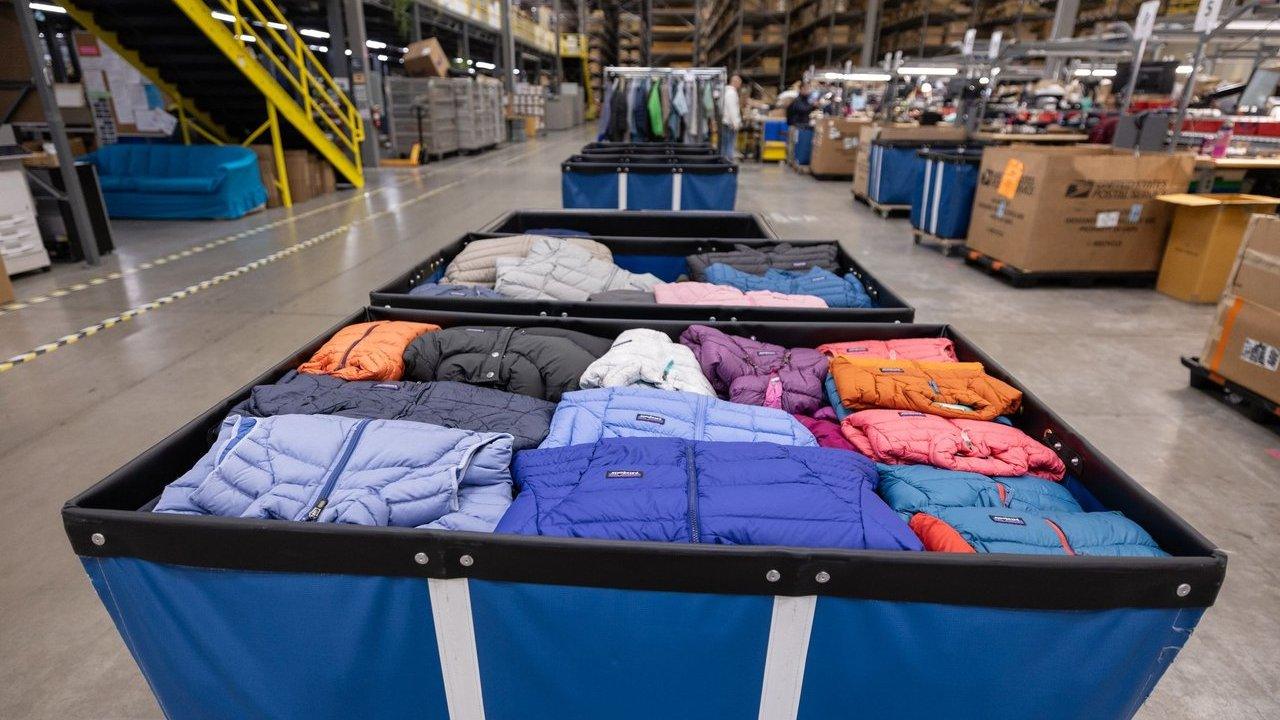
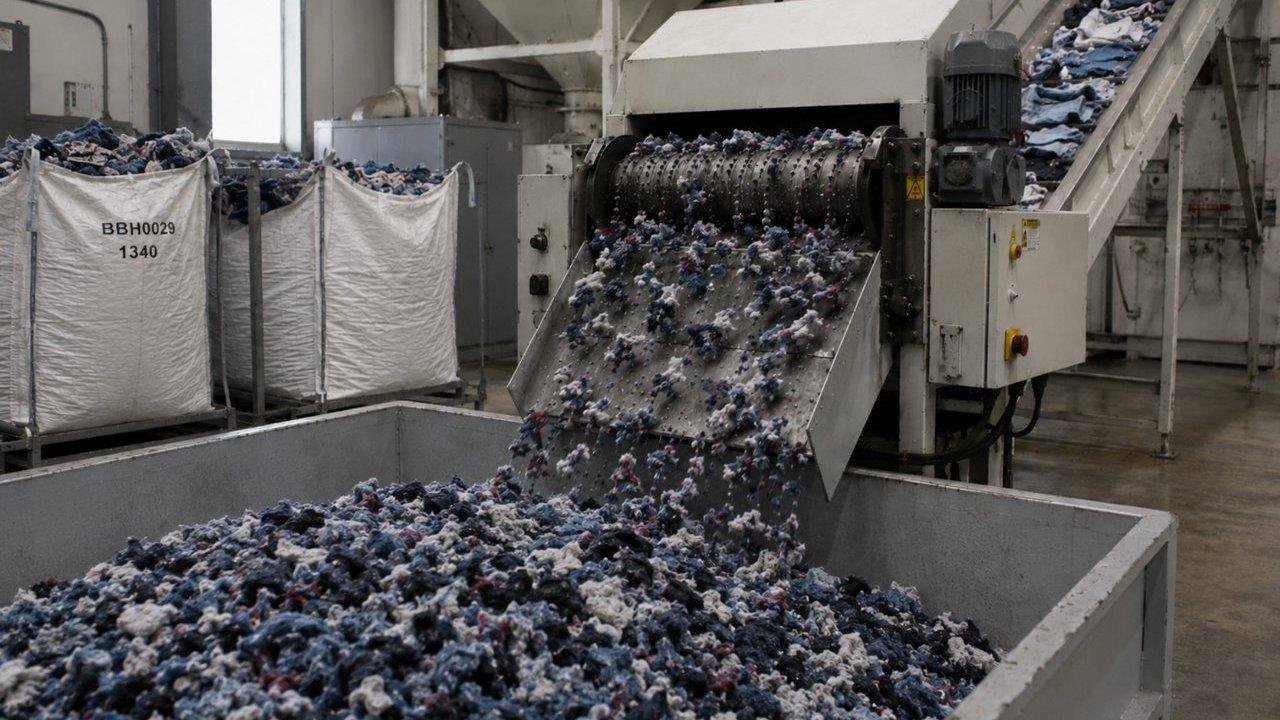
Fast fashion grew rapidly because it promised accessibility. Shoppers could buy the latest looks at a fraction of the cost of designer pieces. The downside was equally clear. Garments were often poorly made, designed to last only a season, and produced under questionable labour conditions. Environmental concerns added further weight, with discarded clothing contributing to massive textile waste. As awareness spread, the appeal of fast fashion began to fade.
A Return to Quality
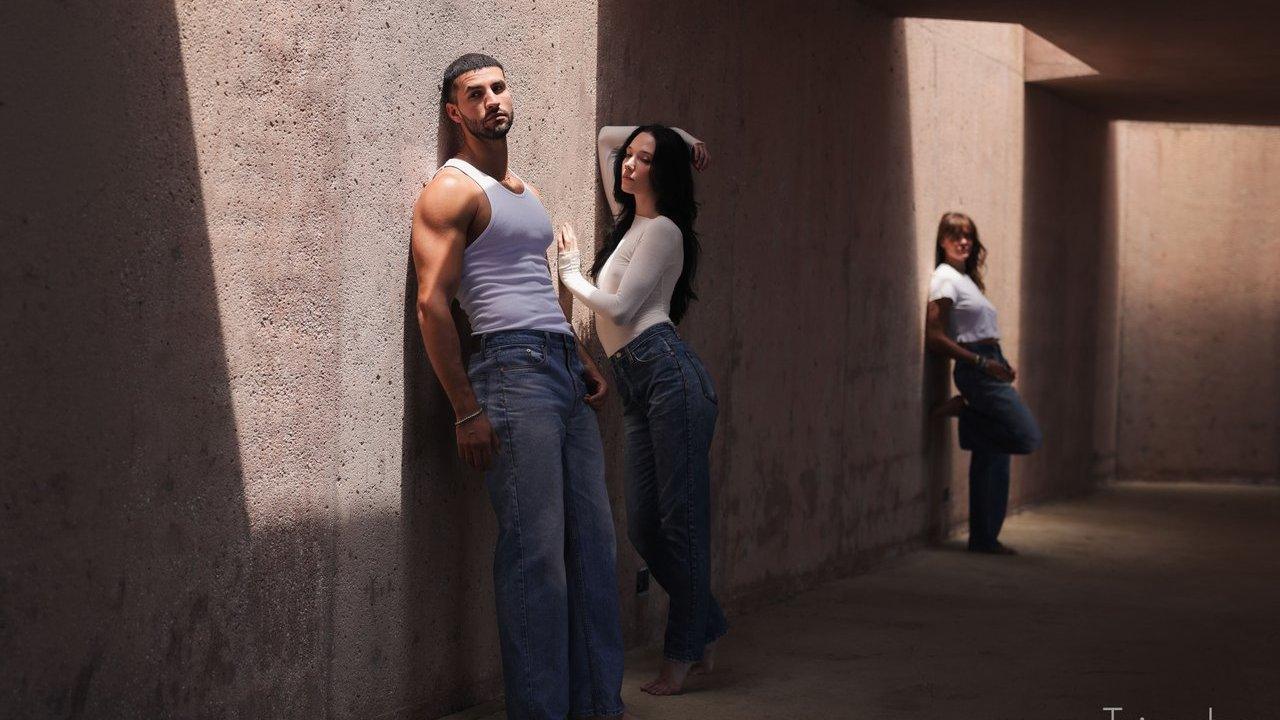
Consumers are increasingly drawn to pieces that last. Timeless basics, such as crisp white shirts, well cut denim, and versatile tank tops, are being celebrated for their durability and adaptability. These items transcend trends, allowing wearers to build wardrobes that feel both stylish and sustainable. The focus has shifted from quantity to quality, with buyers willing to invest in fewer items that offer greater longevity.
The Emotional Value of Clothing
Part of this shift is emotional. Clothing is no longer seen as disposable. People want garments that carry meaning, whether through craftsmanship, ethical production, or personal resonance. A well made piece becomes part of someone’s story, worn repeatedly and cherished rather than discarded. This emotional connection is what makes timeless basics so powerful.
The Influence of Sustainability
Sustainability has become a driving force in fashion. Shoppers are more conscious of the environmental footprint of their choices. They are asking questions about where their clothes come from, how they are made, and what happens when they are no longer worn. Timeless basics align with this mindset because they reduce waste and encourage mindful consumption. Investing in a single versatile piece is more sustainable than buying multiple items that quickly fall out of favour.
Brands Responding to Change
Fashion brands are adapting to this new reality. Many are highlighting their commitment to ethical sourcing, transparent supply chains, and durable design. Some are revisiting classic styles, recognising that consumers want clothing that feels relevant year after year. Levi’s tank tops for women, for example, embody this balance of timeless design and modern appeal, offering a staple that can be worn across seasons without losing its charm.
The Role of Personal Style
Another reason timeless basics are gaining traction is the growing emphasis on personal style. Rather than chasing fleeting trends, consumers are curating wardrobes that reflect individuality. Basics provide the perfect canvas for self expression. They can be layered, accessorised, or styled in countless ways, allowing wearers to create looks that feel authentic.
The Future of Fashion Consumption
Looking ahead, the fashion industry will likely continue to balance innovation with tradition. Trends will still emerge, but the foundation of many wardrobes will be built on enduring basics. This shift represents more than a change in clothing preferences. It reflects a broader cultural move towards mindfulness, sustainability, and authenticity.
A Wardrobe That Lasts
The journey from fast fashion to timeless basics is about reclaiming value in what we wear. It is about recognising that clothing can be both practical and meaningful. By choosing pieces that endure, consumers are not only investing in their own style but also contributing to a more sustainable future. Fashion may always evolve, but the appeal of timeless basics ensures they will remain a cornerstone of everyday life.