A short-term rental heats and cools rooms for guests who never see the bill. That makes energy the operating cost a host controls least and pays most. A heat pump, a solar array or better insulation changes the equation. The U.S. Department of Energy says a modern air-source heat pump can cut heating electricity use by about 50% against furnaces and baseboard heaters.

Photo by Vivint Solar on Unsplash
The tax side changed in July 2025, when Public Law 119-21 ended two residential energy credits a year early. Hosts who want tax help for STR owners before the invoice is paid now plan around depreciation rather than credits. This piece covers what still applies for tax year 2026 and how to book an upgrade. Nothing here replaces advice on your own return.
Why Is a Lower-Energy Rental a Commercial Decision First?
Guests rate comfort, and hosts pay for it. Utilities are one of the few line items a host can engineer down without cutting service.
The upgrade also changes the asset. Each dollar spent becomes either depreciable property or a current expense. This magazine’s own solar cost guide puts installed solar at $2.30 to $3.60 per watt before incentives in 2026. At that price the tax treatment decides whether the payback is seven years or ten.
Which Federal Rules Still Apply for Tax Year 2026?
The IRS set out the changes in Fact Sheet FS-2025-05, published August 21, 2025. For a host, five rules matter:
- Section 25C, the home improvement credit, is gone. No credit is allowed for property placed in service after December 31, 2025. It was aimed at owner-occupied homes anyway.
- Section 25D, the 30% residential solar credit, is gone too. No credit for expenditures made after December 31, 2025. An expenditure counts when installation is complete, so a system finished in January 2026 gets nothing.
- Section 48E still covers solar on a rental business. The clean electricity investment credit starts at 6% and rises to 30% for systems under 1 megawatt. Wind and solar projects must begin construction by July 4, 2026, or be placed in service by December 31, 2027.
- Bonus depreciation is back at 100%. Qualifying property acquired and placed in service after January 19, 2025, can be written off in year one, under IRS Notice 2026-11.
- Section 45L survives until mid-2026. The new energy-efficient home credit, worth up to $5,000 per home, ends for homes acquired after June 30, 2026. It only helps hosts who build.
How Should a Host Book a Heat Pump or a Solar Array?
Solar equipment sits in the five-year MACRS class. Paired with 100% bonus depreciation, a host can deduct the full cost in the year the system goes live. A 48E credit cuts the depreciable basis by half the credit amount. A home battery qualifies under 48E as energy storage.
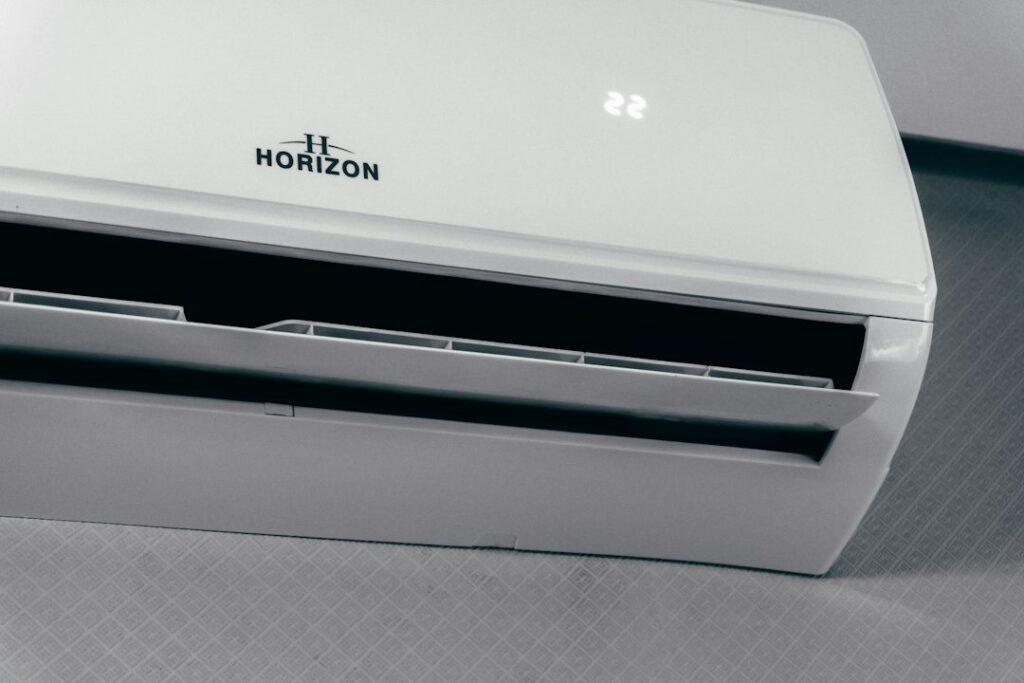
Photo by Zulfugar Karimov on Unsplash
A heat pump that serves the whole building is usually part of the structure. It follows the building schedule of 27.5 or 39 years, depending on how the property is classified. Cost segregation is an engineering study that pulls components into shorter classes, and that is where year-round planning earns its fee.
Smaller items follow the repair rules. Under the IRS de minimis safe harbor, a host without audited financial statements can expense items costing up to $2,500 per invoice or item. Smart thermostats clear that bar; a full insulation job does not.
A utility rebate normally lowers the basis of the asset it paid for. The DSIRE incentive database, run by N.C. State University, lists state and utility programs by address, and many of them survived the federal changes.
What Does the Math Look Like for a Typical Upgrade?
The figures below are illustrations, not quotes:
| Upgrade | Illustrative cost | 2026 federal treatment | Watch point |
| Ducted heat pump | $18,000 | Building component, 27.5 or 39 years unless segregated | Utility rebate reduces basis |
| 8 kW rooftop solar | $24,000 at $3.00 per watt | Five-year property, 100% bonus, 48E if construction starts by July 4, 2026 | Credit cuts basis by half its value |
| Attic insulation and air sealing | $4,000 | Capitalized as an improvement | 25C no longer available |
| Four smart thermostats | $1,000 | Expensed under the $2,500 safe harbor | Keep each invoice separate |
One more rule decides the timing. Under the IRS passive activity regulations:
- A property with average guest stays of seven days or less is not treated as a rental activity.
- If the host also materially participates, for example by logging more than 100 hours and more than anyone else, losses from a big write-off can offset other income.
- Miss the hours, and the deduction waits in a carryforward.
What to Carry Into Your Next Planning Call
- The 25C and 25D credits ended for anything finished after December 31, 2025, so a 2026 project runs on depreciation, 48E and rebates.
- Solar is five-year property with 100% bonus depreciation; a whole-building heat pump is not, unless a cost segregation study says otherwise.
- The seven-day rule and the 100-hour test decide whether the deduction lands in 2026 or sits in a carryforward.
Planning the Upgrade Before the Invoice Lands
The environmental case for a lower-energy rental did not change in 2025. The financing did. A host who signs a solar contract in spring 2026 needs construction to start before July 4 to keep the 48E credit alive. The hours log then proves participation. A heat pump host needs the rebate paperwork and a cost segregation decision before guests arrive.
None of that is hard, but it is cheaper to sequence in advance than to reconstruct at filing time.
Frequently Asked Questions
Can I Still Claim the 30% Solar Credit On a Rental In 2026?
Not under Section 25D, which ended for expenditures after December 31, 2025. A system that is part of a rental business may qualify for the Section 48E investment credit instead. Construction generally must begin by July 4, 2026.
Does Bonus Depreciation Apply to a Heat Pump In a Short-Term Rental?
Only if the equipment falls into a class of 20 years or less. A whole-building system is usually part of the structure and follows the building schedule. A cost segregation study can reclassify parts of it.
How Does a Utility Rebate Change the Tax Basis?
A rebate paid by a utility for an energy upgrade usually reduces the depreciable basis of that asset. A $2,000 rebate on a $24,000 system leaves $22,000 to depreciate. Keep the rebate letter with the invoice.
What Is the Seven-Day Rule for Short-Term Rentals?
If average guest stays are seven days or less, the IRS does not treat the property as a rental activity for passive loss purposes. With material participation, losses can offset other income. Without it, they are suspended until a later year.