Roads are essential for keeping people, goods, and businesses moving. However, building and repairing them requires large amounts of stone, sand, bitumen, fuel, and other resources. As the construction industry looks for smarter ways to reduce waste, asphalt recycling has become an important part of more sustainable road building.
Professional Asphalt Recyclers help turn old pavement into useful material for new construction. Instead of treating worn asphalt as waste, recycling gives it another purpose and helps reduce the environmental impact of road projects.
What Is Asphalt Recycling?
When an asphalt road, car park, or hardstand reaches the end of its useful life, the old surface can be removed using milling or excavation equipment.
This material is known as reclaimed asphalt pavement, or RAP. It contains valuable aggregates and bitumen that may still be suitable for reuse.
The recovered asphalt can be processed, crushed, screened, and prepared for use in new asphalt mixes or other construction applications. The exact recycling method depends on the condition of the material and the needs of the project.
Less Construction Waste Goes to Landfill
One of the clearest benefits of asphalt recycling is waste reduction.
Road upgrades and resurfacing projects can produce large volumes of old pavement. Sending all of this material to landfill takes up valuable space and wastes resources that could still be useful.
Asphalt Recyclers can recover suitable material and return it to the construction cycle. This supports a more circular approach where materials are reused rather than simply thrown away.
Reducing the Need for New Raw Materials
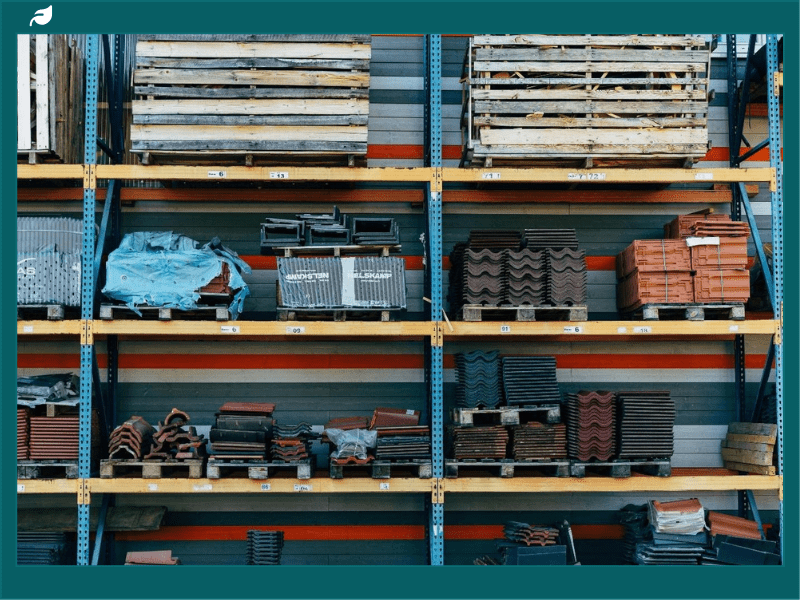
Traditional asphalt production requires aggregates such as crushed rock, gravel, and sand. These materials must be quarried, processed, and transported to asphalt plants.
Reusing reclaimed asphalt can reduce the amount of new aggregate required for certain projects. The existing bitumen in recycled asphalt may also contribute to the new mix.
This helps make better use of resources that have already been extracted and processed.
Fewer Transport Movements
Transport is another important part of the environmental impact of road construction.
If old asphalt must travel long distances to landfill while new materials are transported back to the project, the number of truck movements can quickly increase.
Recycling material locally, where practical, may shorten these transport routes. Fewer trips can mean lower fuel use, reduced emissions, and less heavy vehicle traffic around the project.
Supporting Cost-Efficient Road Projects
Sustainability does not have to mean higher project costs.
Recycling suitable asphalt can reduce landfill fees, disposal requirements, and demand for virgin materials. Local processing may also help control transport costs.
The savings will vary between projects, but recycling can provide both environmental and practical value when it is planned correctly.
Quality Still Matters
Using recycled asphalt does not mean accepting poor-quality roads.
Reclaimed materials need to be properly assessed and processed before reuse. Factors such as material quality, contamination, grading, and the requirements of the new pavement must all be considered.
Experienced Asphalt Recyclers understand how to recover and prepare materials so they can be used in suitable applications while meeting project specifications.
Building Roads With the Future in Mind
Asphalt recycling turns yesterday’s pavement into a resource for tomorrow’s infrastructure.
By reducing waste, conserving raw materials, limiting unnecessary transport, and supporting more efficient construction, recycling can help lower the environmental footprint of road projects.
For councils, civil contractors, developers, and other organisations, working with experienced Asphalt Recyclers can be a practical step towards roads that perform well while making better use of valuable resources.