Sustainable Extricko is preparing to take its composite recycling technology from the sailing sector into wind energy, with plans for a first commercial recycling unit. Founded in Derbyshire by brothers Joe and Sam Penhaul Smith, the start-up uses steam and pressure to separate hard-to-process composites into component materials and recover compounds that might otherwise be discarded. The company is working with a maritime technology business on a system designed around its manufacturing requirements, while assessing turbine blade waste as a major new application. Around 25,000 tonnes of wind turbine blade waste is expected across the UK and Europe each year, rising to between 45,000 and 52,000 tonnes by 2030.
A Route Beyond Disposal
Composite materials bring together substances such as plastic, glass fibres and carbon fibres to create structures that are both strong and lightweight. Their performance has made them widely useful in boats, vehicles, aircraft and wind turbine blades, yet that same layered construction makes recovery at end of life particularly difficult.
For wind energy, this is a pressing materials issue. Blades removed from UK service have historically been sent to landfill or incineration, while repowering projects and offshore turbine decommissioning are set to increase the volume requiring treatment. The projected waste figures are drawn from reporting on the challenge of keeping retired blades out of dumps, published by The Scotsman.
Sustainable Extricko’s process is designed to separate composite materials rather than consigning the entire structure to disposal. In doing so, it could offer a valuable route for recovering materials and compounds from waste streams that have long presented a challenge for recycling infrastructure.
From Sailing To Scale
The business began by addressing composite waste in the sailing industry, where boats and sails present a familiar end-of-life problem. Its work with a first major customer, described as a maritime technology business, is now informing the development of a recycling unit tailored to practical manufacturing needs.
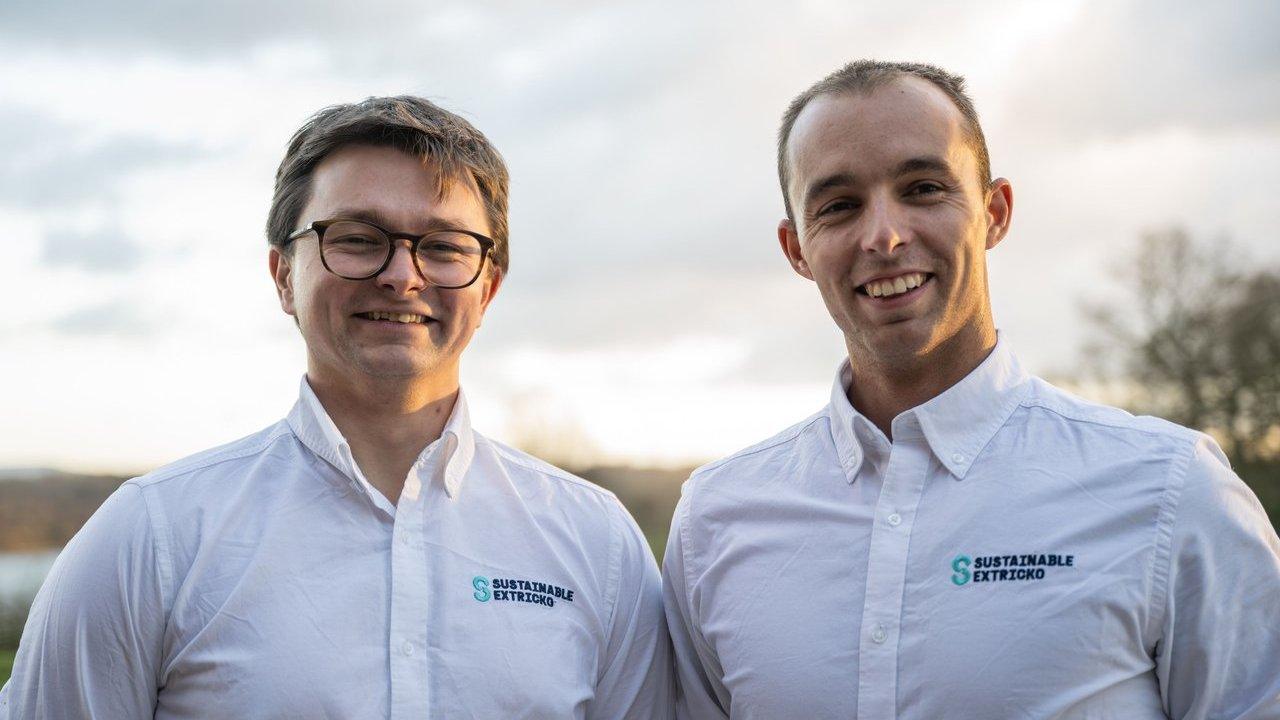
Dr Joe Penhaul Smith, Co-Founder and Chief Technology Officer at Sustainable Extricko, said:
“We started out looking at the problem in the sailing industry, but very quickly realised that the challenge extended far beyond boats and sails. Composite materials are used across some of the world’s biggest industries, but there is still a gap when it comes to dealing with them at the end of their life. We want to find a way of turning that waste into something that has value. Now that we are working with our first major customer, we are starting to understand what a commercial system could look like in practice.”
The focus on a customer-specific first unit offers an important commercial test for the technology. Sustainable Extricko is seeking investment to build the facility, with construction expected to begin within the next 12 months based on the requirements of its initial customers.

Support For Commercial Development
Technology development has been supported by the Industrial Biotechnology Innovation Centre, known as IBioIC, through its role as Cluster Management Organisation for the Scottish Bio-based Manufacturing Launchpad. The Launchpad is led by Innovate UK and supports companies developing sustainable technologies and products for bio-based manufacturing and industrial biotechnology.
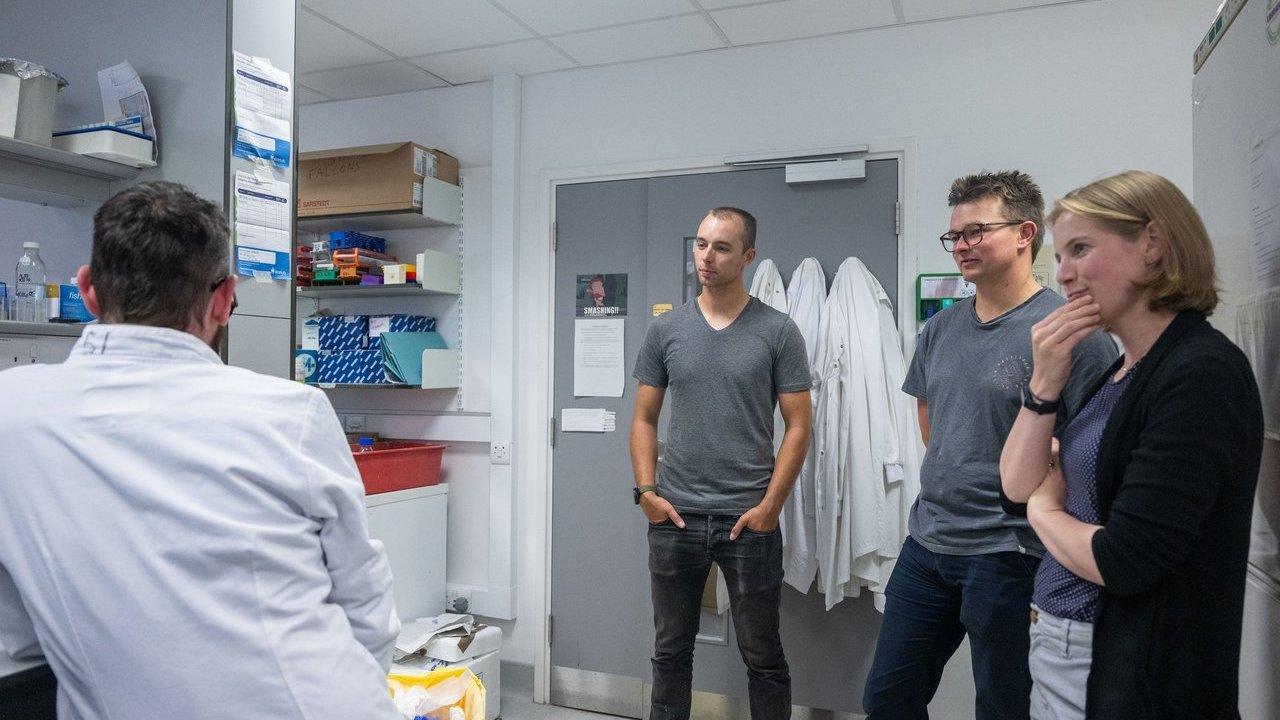
Edinburgh Innovations, the University of Edinburgh’s commercialisation service, has also supported the project by helping optimise recovery of high-value chemicals. Sustainable Extricko is working with Dr Joanna Sadler, senior lecturer in biotechnology at the University of Edinburgh, on the potential conversion of recovered compounds into chemicals including protocatechuic acid and vanillin.
This additional work broadens the company’s proposition beyond material separation. Recovering compounds for use in useful chemicals could create further value from the recycling process, while supporting a more circular treatment of complex composite waste.
Kirsty Neilson, Programme Manager, UKRI Launchpad Cluster Management Organisation at IBioIC, said:
“Sustainable Extricko demonstrates the kind of ambitious thinking we’re looking to support through the Launchpad programme. The team has taken a challenge they encountered in the marine sector and identified the potential to apply their technology across much wider industries, including wind energy and advanced manufacturing. We’re looking forward to continuing to support the team as they take the next steps towards bringing their technology to market.”
Containerised Recycling Potential
Alongside a first fixed recycling unit, Sustainable Extricko is exploring containerised systems that could be installed close to sites where composite waste is produced. Such an arrangement could reduce the need to transport difficult materials to a central processing facility.
That potential is particularly relevant to the wind sector, where blades are large and difficult to handle once removed from service. A localised system could give operators another option when managing composite waste from wind farms and associated manufacturing activity, while retaining the central aim of recovering resources rather than disposing of them.
Building A Circular Composite Model
Sustainable Extricko’s progress illustrates how a solution devised for marine waste can have relevance across sectors that depend on advanced composite materials. Its move towards a customer-led commercial unit, coupled with research into chemical recovery, places the company in a promising position as wind energy faces a mounting end-of-life materials challenge.
For turbine blade operators, manufacturers and recycling providers, technologies able to separate and recover value from composites will be increasingly important as early generations of wind infrastructure reach retirement. Sustainable Extricko’s work presents a practical and encouraging contribution to that emerging circular economy opportunity.