Packaging plays a crucial role in presenting and protecting your products. For decades, there’s been an ongoing debate over which packaging option is better: plastic or paper. The discussion between paper and plastic packaging hinges on various factors, including environmental impact, reusability, recyclability, durability, and more.
Both materials have their pros and cons, which is why it’s important to assess them thoroughly before making an investment.
This guide will provide a comprehensive overview of these options and uncover the truth about sustainable packaging choices.
What is Plastic Packaging
Plastic packaging has been around for decades. It’s a lightweight, durable polymer-based material used to protect, transport, and store products. Its versatility makes it the go-to choice across multiple industries.
From food to electronics, plastic helps keep your products safe and intact. However, its widespread use also makes it hard to ignore the long-term environmental consequences. While it gets the job done, it’s the aftermath that we’re still struggling to manage.
The Environmental Impact of Plastic Packaging
Plastic packaging is a major environmental problem. It’s non-biodegradable, meaning it sticks around for centuries. When it ends up in landfills or oceans, it doesn’t break down easily, causing pollution and endangering wildlife.
Even though plastic can be recycled, much of it ends up as waste due to low recycling rates. Plus, producing plastic requires significant fossil fuels, which adds to its carbon footprint. It’s a convenience that’s costing us more than we realize.
What is Paper Packaging
Paper packaging is rising day by day, and it’s happening for all the right reasons. Paper packaging is made from natural, virgin pulp, which makes it durable and recyclable. Its main purpose is to contain, protect, display, and ship products safely. Beyond just being a simple outer layer, paper packaging has become a symbol of the green, sustainable consumption trend. Paper packaging has evolved a lot, and now it comes in various packaging materials.
Exploring Sustainable Material Options
A range of paper packaging materials is available in the market for manufacturing paper packaging for various products. Businesses are adopting these sustainable packaging trends as customers have become more aware of eco-friendly practices.
Here are the paper materials options available in the market:
Cardstock
Cardstock is a sturdy, thick paper, perfect for creating rigid packaging that demands strength. It’s often used to make food-safe packaging and other durable packaging items. While not as strong as paperboard or corrugated board, it strikes a balance between weight and functionality, offering both a solid, reliable surface and flexibility for printing.
Paperboard
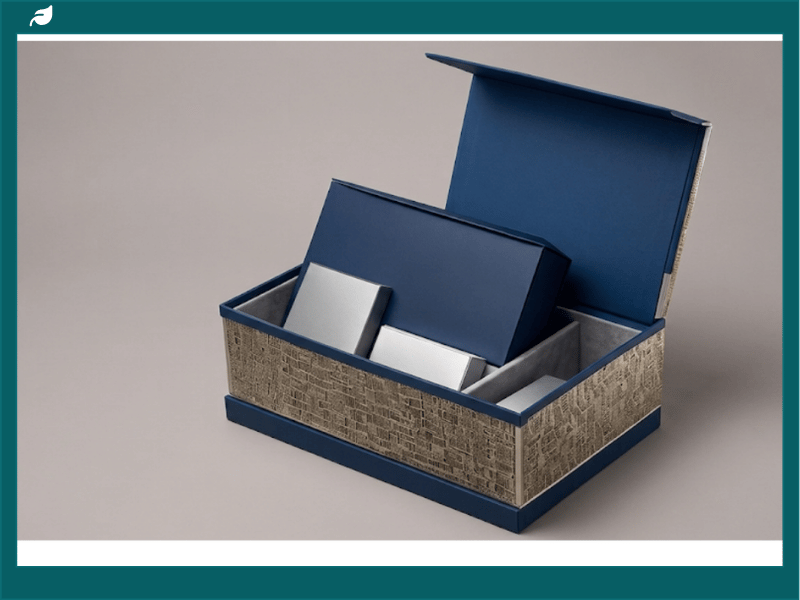
Paperboard is the go-to material for various packaging solutions, widely used in packaging for its versatility and durability. It’s made from a heavier paper pulp than regular paper, making it thicker and sturdier. A wide range of boxes and cartons can be made from this material, including custom folding cartons, tuck-end boxes, pillow boxes, and more.
Paperboard packaging is perfect for a wide range of products, and it’s easily recyclable and can handle both delicate and heavy items, standing up to the wear and tear of shipping and handling.
Corrugated Board
Corrugated board is made up of three layers: an inner fluted layer sandwiched between two flat paperboards. This structure provides excellent protection, making it ideal for shipping large or fragile items. It’s one of the most popular materials for packing due to its strength and durability. Corrugated board can be customized with printing options and is entirely recyclable.
Rigid Stock
Rigid stock, often used for premium packaging, provides an upscale look and feel. It’s a dense, thick material often used for luxury rigid boxes. While it may not have the flexibility of paperboard, its dense nature offers maximum protection for fragile items, ensuring they arrive safely. It’s widely used in high-end retail packaging for a polished, professional presentation.
Bux Board
Bux board is a dense, multi-ply paperboard material often used to make strong, resilient packaging, particularly for heavy-duty applications. It’s commonly used for creating custom folding cartons that require extra strength. While it’s not as common as other options, its durability and protective qualities make it an excellent choice for heavy or valuable items.
The Environmental Footprint of Paper Packaging
Paper packaging is often seen as a more sustainable choice compared to plastic, but it still has a considerable environmental impact. The process of producing paper requires large amounts of water, energy, and chemicals.
Sourcing paper from virgin pulp often leads to deforestation, contributing to habitat loss and threatening biodiversity. Even though paper is recyclable, the recycling process is not flawless, with a significant amount of paper ending up in landfills due to contamination or inadequate recycling facilities.
The transportation of paper products also adds to its carbon footprint. While paper packaging is a step towards sustainability, it still contributes to environmental strain, making it essential to consider more holistic, efficient solutions.
Pros and Cons of Paper vs. Plastic
When it comes to paper vs. plastic packaging, both have their own advantages and disadvantages. Below are some of the advantages and disadvantages of paper and plastic packaging:
Pros
- Paper is biodegradable, making it an eco-friendly option.
- It’s recyclable and widely accepted in most recycling programs.
- Offers a more natural aesthetic and is often used for eco-conscious products.
- Plastic is durable, lightweight, and water-resistant, making it ideal for long-term storage.
- Provides better protection against moisture, extending the shelf life of products.
- Offers a practical solution for packaging liquids or food items.
Cons
- Paper can be more expensive to produce and transport due to its weight.
- It often requires more energy to manufacture compared to plastic.
- Less durable than plastic and can tear or degrade in wet conditions.
- Plastic is not biodegradable and can contribute to long-term environmental pollution.
- Difficult to recycle in some regions and can contaminate recycling streams.
- Often made from non-renewable resources, contributing to environmental damage.
Customization Options in Packaging: Paper vs. Plastic
Customization options in packaging vary significantly between paper and plastic. Paper packaging offers flexibility, with easy customization in the form of custom boxes, which can be tailored to suit specific designs, sizes, and printing. These boxes can feature unique branding, textures, and colors, making them an excellent choice for businesses looking to stand out in a crowded market.
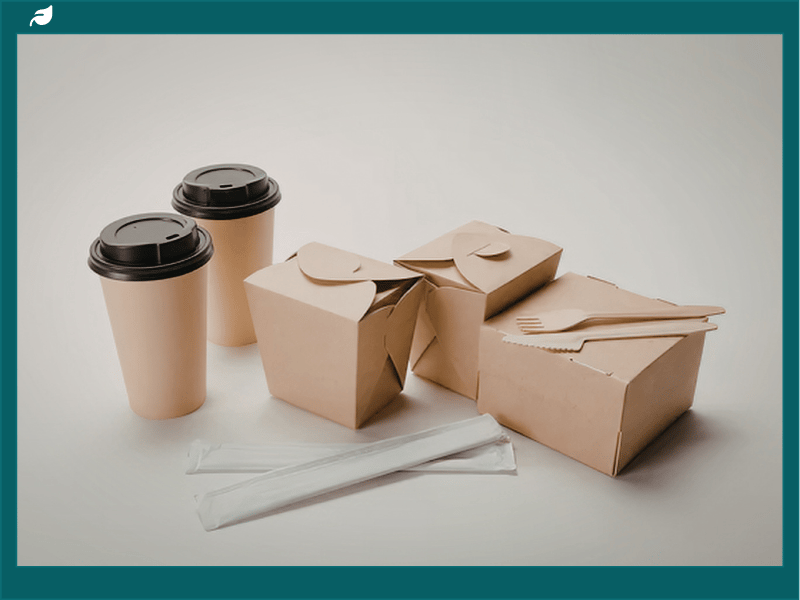
The paper also offers eco-friendly options such as kraft paper and recycled materials, aligning with sustainable branding efforts. On the other hand, plastic packaging can be tailored to specific designs, sizes, and printing requirements, with options for clear designs, protective seals, and durability. It can be molded into various shapes and sizes, though it may limit some aesthetic choices compared to paper.
Which One is Better & Why? Paper or Plastic?
When weighing the options, paper is often the better choice, especially for those prioritizing sustainability. Unlike plastic, paper is biodegradable and recyclable, making it a more eco-friendly option. Custom paper boxes also offer excellent branding opportunities, allowing you to print unique designs and logos, giving your product a premium, natural look.
Additionally, paper packaging has advanced significantly. It can be laminated to become waterproof, greaseproof, and durable, making it a viable option for many products that require protection against moisture or oil. This means that paper can now offer similar functionality to plastic while remaining environmentally friendly.
Plastic, while durable and water-resistant, has a significantly higher environmental impact due to its non-biodegradable nature. It can take centuries to break down, contributing to pollution and waste. Paper, on the other hand, provides a balanced solution, combining sustainability with durability and versatility.
Ultimately, paper’s ability to be customized and laminated for added protection, along with its eco-friendly qualities, makes it the superior choice for most packaging needs.
Conclusion
In the debate between paper and plastic, paper emerges as the better choice for sustainable packaging. While plastic offers durability and convenience, its environmental impact is undeniable. Paper, with its biodegradability, recyclability, and ability to be laminated for waterproof and grease-proof qualities, provides an eco-friendly, functional alternative. Custom paper packaging can also be tailored to suit branding needs, making it a versatile and responsible option for businesses seeking sustainability without compromising on performance.