The global confectionery market is worth well over half a trillion dollars, and chocolate alone accounts for a staggering share of that figure. But behind every bar, bonbon, and gift box sits a quieter story — one about the materials wrapping these products, the supply chains producing them, and the growing pressure on brands to answer for both. As sustainability moves from marketing language to operational reality, the packaging decisions that chocolate brands make are becoming as commercially significant as the recipes themselves.
This shift isn’t happening in a vacuum. Consumer expectations have fundamentally changed. A 2023 report by McKinsey found that over 60% of consumers in the US said they’d pay a premium for sustainable packaging — and that number climbs higher among younger demographics who tend to be the most loyal confectionery buyers. Retailers are catching up too: major grocery chains have begun requiring sustainability disclosures from vendors, and the EU’s Packaging and Packaging Waste Regulation, which is now reshaping standards well beyond European borders, is pushing American exporters to rethink their material choices.
For chocolate brands, this creates a specific and somewhat complicated challenge. Chocolate packaging isn’t simple. It needs to protect a temperature-sensitive, moisture-prone product. It needs to convey luxury or indulgence or playfulness — depending on the brand — because packaging is often the first and most lasting impression a consumer gets. And it increasingly needs to do all of that while meeting sustainability criteria that can feel contradictory: biodegradable materials that still provide barrier protection, recyclable structures that still look premium on a shelf, reduced-plastic solutions that don’t compromise the unboxing experience.
The Materials Revolution Happening Right Now
For most of the 20th century, chocolate packaging relied on a fairly narrow set of materials: aluminum foil for freshness, paperboard for structure, polyethylene laminates for moisture barriers, and printed labels for branding. These worked well on their own terms. They were inexpensive, widely available, and reliably effective. The problem is that most of them are either non-recyclable in practice, derived from fossil fuels, or both.
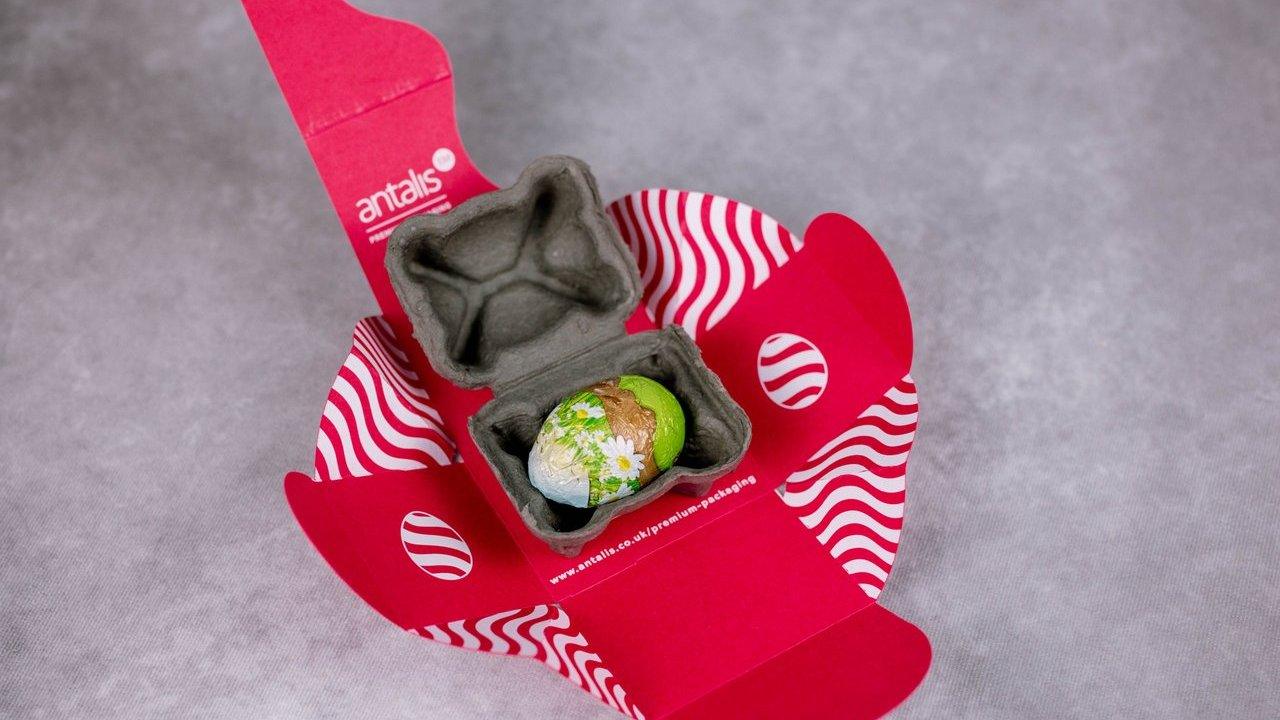
The shift happening today is toward what the industry broadly calls “mono-material” structures — packaging made from a single type of material, typically paper-based or a specific polymer, so that the entire package can go into a single recycling stream rather than requiring consumers to disassemble and sort components. For rigid chocolate boxes, this has meant a move away from plastic inserts and foam padding toward molded pulp trays, corrugated paper dividers, and FSC-certified paperboard structures that are both structurally sound and curbside recyclable.
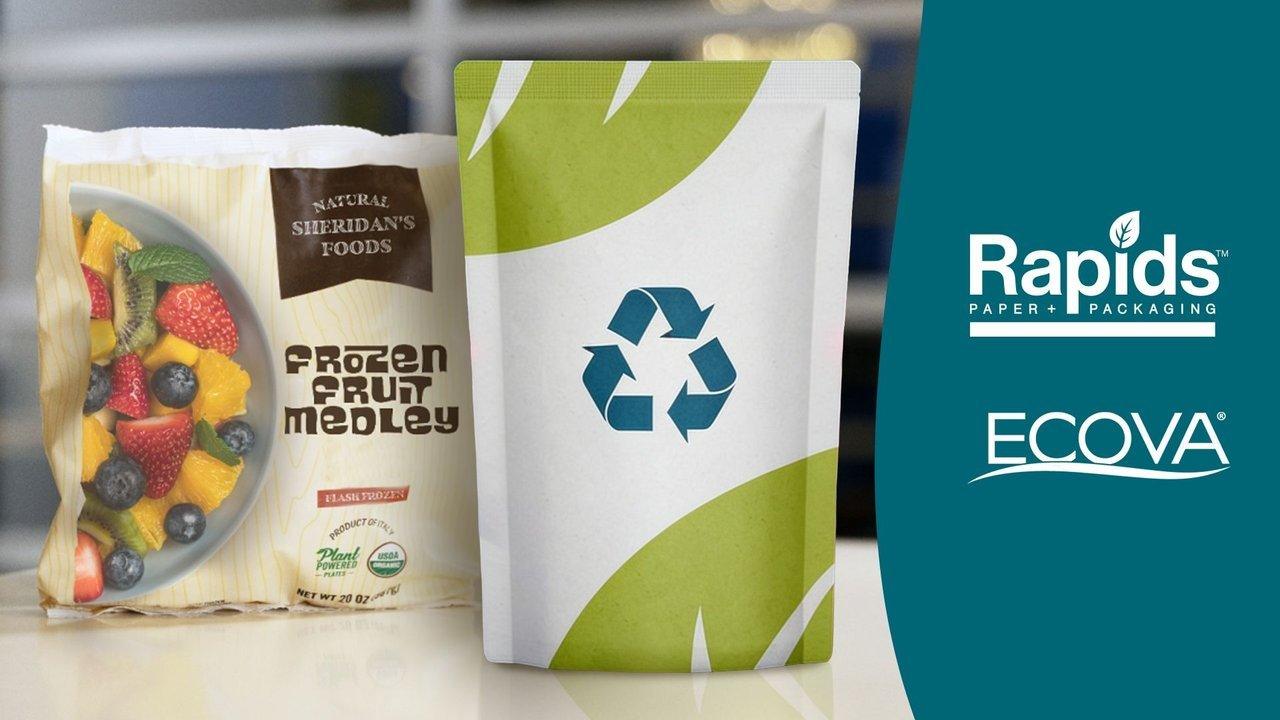
At the same time, flexible chocolate wraps — the kind used for individual bars, multipacks, and flow-pack formats — are seeing rapid development in paper-based barrier technologies. Several packaging substrate companies have developed coated paper films that can replicate the barrier properties of conventional plastic laminates while remaining compostable or recyclable. The technology isn’t perfect yet; some coatings still require industrial composting facilities rather than home composting, and the heat-seal properties can be more variable than traditional film. But the pace of development is genuinely impressive, and shelf-ready solutions that didn’t exist three years ago are now commercially available.
Why Smaller Chocolate Brands Are Ahead of the Curve
It’s tempting to assume that sustainability innovation in packaging flows from large multinationals downward. The reality is often the opposite. Smaller, direct-to-consumer chocolate brands — the artisanal makers, the premium gifting companies, the subscription box operators — have frequently led the way, partly because their smaller volumes give them more flexibility to experiment, and partly because their customers are especially attuned to brand values.
These brands are also doing something important structurally: they’re investing in custom chocolate packaging that’s purpose-built for their product rather than adapted from generic off-the-shelf solutions. This matters more than it might sound. Generic packaging lines are optimized for volume and standardization. They often use more material than necessary for the specific product dimensions, and they’re rarely designed with end-of-life in mind. Custom packaging, by contrast, can be engineered from the start to use the minimum viable substrate weight, to avoid mixed materials, and to align with whatever certifications — FSC, OK Compost, How2Recycle — the brand wants to carry on the box.
The investment pays back in more ways than one. Custom packaging reduces dimensional waste in transit, which lowers shipping costs and carbon footprint simultaneously. It eliminates the need for additional void fill — a huge contributor to packaging waste in e-commerce fulfillment. And it allows brands to communicate sustainability claims directly on the pack, which is increasingly important in a retail environment where the shelf conversation happens before the brand website does.
The Gift Box Market: Where Sustainability Meets Occasion
One of the fastest-growing segments in confectionery packaging is the premium gift box — and it’s also one of the segments where the sustainability pressure is most acute. Gift packaging, almost by definition, exists to be opened and then disposed of. The consumer buys it for the experience, not the materials. But that doesn’t mean the materials don’t matter: recipients who open a chocolate gift set and find a box stuffed with plastic trays and synthetic ribbon are increasingly likely to notice, and to remember.
The opportunity for chocolate brands here is significant. Sustainable gift packaging doesn’t mean austere or cheap-looking. Some of the most effective approaches — embossed kraft board boxes, seed paper wraps, soy-ink printed inserts — actually reinforce a premium perception precisely because they communicate craft and intention. The narrative is coherent: if the chocolate inside is carefully made from single-origin cacao, the packaging should tell the same story about how materials are chosen.
Several US-based custom packaging manufacturers have begun specializing specifically in this overlap between sustainability and premium aesthetics. Working with a manufacturer that offers custom premium packaging for chocolate brands from the outset — rather than retrofitting a generic box with a sustainability label — gives brands control over print processes (UV inks versus water-based, for example), substrate weights, structural formats, and certification pathways all at once.
The Circular Economy Angle: Thinking Past the Bin
For sustainability-focused publications like this one, packaging is most interesting not just as a materials question but as a systems question. The circular economy framing asks not just “what is this made of?” but “where does it go next, and who designed for that?” In confectionery packaging, this distinction is starting to produce meaningfully different design choices.
Brands operating with a circular mindset are beginning to consider refillability — releasing chocolate collections in tins or boxes that consumers are explicitly encouraged to keep and reuse. Several European chocolate houses have experimented with refill programs, where customers return or retain a branded container and purchase refill formats. The economics don’t always work at scale yet, but the direction is clear.
More immediately practical is the move toward packaging that communicates end-of-life clearly. The How2Recycle label program in the US, which gives consumers specific recycling instructions based on what the pack is actually made of and where it can actually go, has become a meaningful differentiator. Research from The Recycling Partnership suggests that clear, honest recycling labeling increases correct disposal rates substantially — which matters both for environmental outcomes and for brands that want their sustainability claims to be verifiable rather than aspirational.
What Regulation Is Coming and Why Brands Should Get Ahead of It
The US hasn’t yet passed federal packaging legislation equivalent to the EU’s framework, but the direction of travel is visible. California’s SB 54, signed into law in 2022, requires that all single-use plastic packaging sold in California be recyclable or compostable by 2032 — with 25% reduction targets along the way. Oregon, Washington, Colorado, and Maine have passed extended producer responsibility legislation that puts new obligations on brands that sell packaged goods in those states. And the EPA’s National Recycling Strategy, alongside FTC Green Guide revisions expected in the coming years, will tighten what brands can legally claim about recyclability.
For chocolate brands selling nationally, this creates a compliance patchwork that’s genuinely complex to navigate. The pragmatic response — and the one that several well-run mid-market brands have already adopted — is to get ahead of the most demanding requirements and design for them universally rather than trying to maintain different packaging specs for different states.
That kind of proactive design is much easier to execute when you’re working with packaging manufacturers who understand both the technical requirements and the regulatory landscape. The specification choices that seem optional today — barrier coatings, mono-material structures, certified substrates — are increasingly likely to become mandatory within the planning horizon of a packaging redesign cycle. Building them in now is almost always cheaper than retrofitting later.
The Commercial Case, Not Just the Ethical One
It’s worth being clear about something that sustainability advocates sometimes understate: the case for sustainable chocolate packaging isn’t purely ethical. It’s commercial, and increasingly it’s competitive.
Retailers are beginning to favor brands that can document their packaging sustainability, partly because of their own corporate commitments and partly because their customers are asking. Gifting platforms and subscription box operators — significant channels for premium chocolate — are actively curating toward sustainable brands. And in direct-to-consumer e-commerce, where unboxing content drives a meaningful share of organic social reach, packaging that tells a compelling sustainability story is a marketing asset, not a cost center.
The chocolate brands that are winning in this environment share some common characteristics: they’ve moved early on packaging design, they’ve worked with manufacturers who can deliver both sustainability credentials and the premium aesthetics that the category demands, and they’ve integrated their packaging story into their broader brand narrative rather than treating it as a compliance checkbox.
The confectionery industry as a whole has a genuinely interesting opportunity here. Chocolate is a product that people love, give, and celebrate with. It carries emotional weight that most consumer goods don’t. Packaging that honors that — that treats the wrapping of chocolate as carefully as the making of it — isn’t just good for the planet. It’s good business.