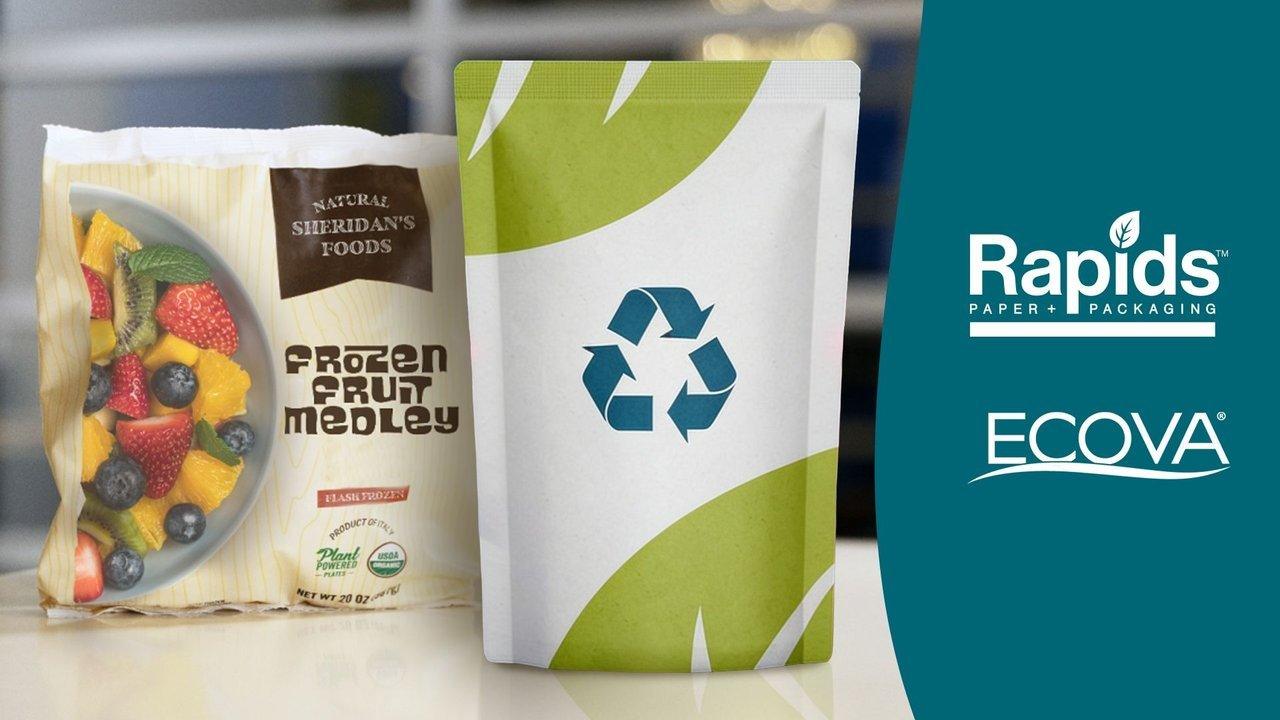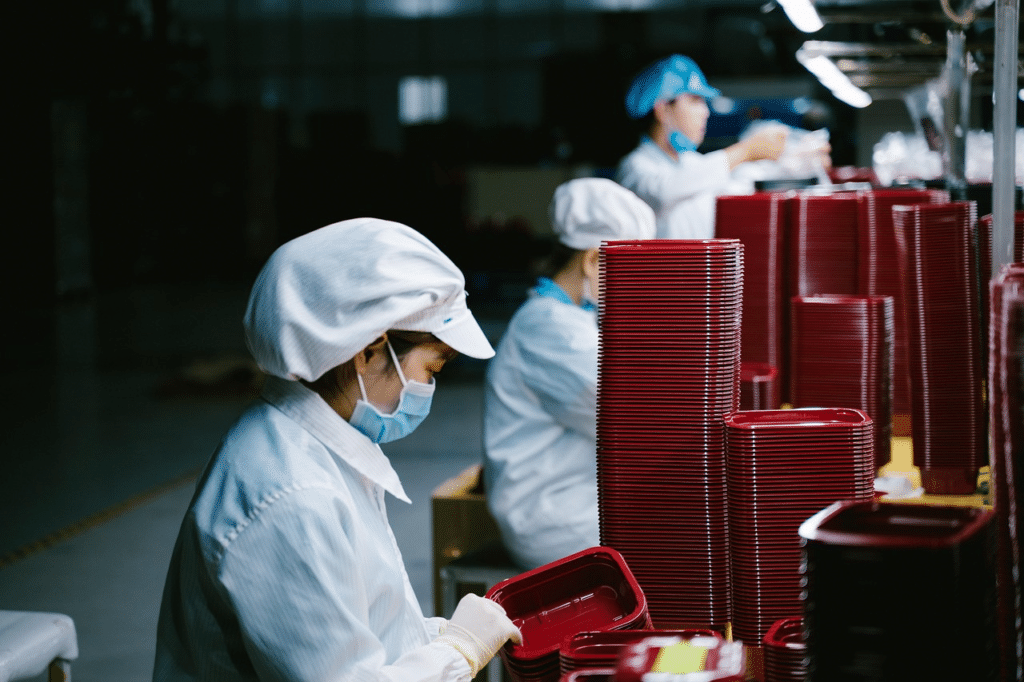
Package features such as a recycling symbol, reduced materials, or “eco-friendly” marketing can contribute to a package’s sustainability. The environmental impact of packaging also depends on how much material is wasted during production, how often defective packaging is rejected, and how much energy is consumed to make it. Eco sustainability therefore needs to begin on the production line, where these variables can be measured and controlled.
Material Decisions Happen Before the Package Reaches the Shelf
Material specification is the first step towards eco sustainability in packaging. Using recycled material or one that has a low impact is useful, but the advantage will be offset by using too much material. Thickness, dimensions, strength, and packaging format all influence how much material is consumed for each finished unit.
Right-sizing is one practical example. An oversized carton may require additional paperboard, occupy more space during transportation, and use more energy throughout its handling and storage. Reducing unnecessary material at the specification stage can prevent waste before it enters the packaging stream.
According to the U.S. The Environmental Protection Agency, containers and packaging made up 82.2 million tons or 28.1% of municipal solid waste produced in the U.S. in 2018. This number does not just include factory waste, but packaging that has been thrown away after it has been used. This shows how important it is to reduce waste of materials at the source.
Quality Control Can Prevent Packaging Waste
A sustainable material is still a waste if it becomes a detective product. Packaging may need to be scrapped due to:
- Incorrect dimensions
- Poor seals
- Wrinkles
- Misalignment
- Printing error
- Defective films
Identifying these defects at the end of a production implies that the material, labour, energy, and machine time used in the production of the faulty packaging have been wasted.
In-line inspection can be used to detect deviations during the manufacturing process. In flexible packaging, web handling solutions can be used to control material tension, alignment, and movement, minimizing process issues and resulting product defects. These problems can affect cut accuracy and finished roll quality, making process control an important part of waste prevention.
Energy Visibility Turns Efficiency Into a Measurable Goal
Material waste is only one part of the equation. Packaging equipment also consumes energy during forming, sealing, printing, laminating, cutting, and other processes. This is where energy visibility becomes valuable.
Analyzing energy consumption by machine, process, or production period can identify where energy is being consumed with no contribution to production. Instead of treating electricity as a fixed operating expense, manufacturers can connect energy data with production performance and identify opportunities for improvement.
According to the U.S. Department of Energy, the typical facility that implements energy management systems based on ISO 50001 experiences energy savings of approximately 4% annually for over 10 years.
Measure Sustainability Before Making the Claim
Consumer-facing packaging is not the only measure of sustainable packaging. How that package was produced can be seen in greater detail through material use, defect rates, rework, scrap, machine efficiency, and energy consumption. The most credible sustainability improvements often happen before a product is packaged at all.
When manufacturers design for efficient material use, monitor production quality, control web processes, and measure energy performance, sustainability becomes a production practice rather than simply a label.
Endnote
When manufacturers look past the package, they can uncover waste that a shelf-level sustainability claim isn’t going to catch. Packaging decision making can be more efficient when production data is used to inform material selection, quality control, and energy management from the early stages of production to the finished product.