As businesses become more conscious of their environmental impact, packaging choices are receiving greater attention. From fashion retailers to e-commerce brands, companies are exploring ways to reduce waste without compromising product quality or customer experience. Switching to environmentally friendly packaging is one practical step businesses can take toward more responsible operations.
However, making this transition requires more than replacing plastic with paper. Companies need to consider materials, product protection, transportation, and disposal. Here are eight practical tips to help businesses make the change.
1. Evaluate Your Current Packaging
Before introducing new materials, review your existing packaging. Identify which components create unnecessary waste, including oversized boxes, excessive wrapping, plastic fillers, and multiple packaging layers.
Consider how much material you use per order and whether every component serves a necessary purpose.
For example, an online store might discover that its products are shipped in boxes much larger than required. Choosing more appropriate sizes could reduce material consumption and shipping volume.
Understanding your current packaging practices helps establish priorities and makes it easier to measure improvements over time.
2. Choose Materials With Lower Environmental Impact
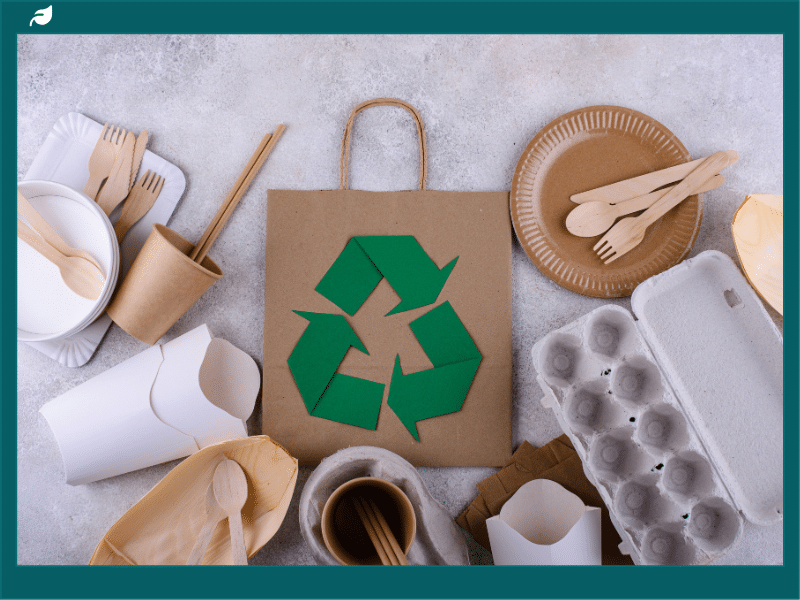
Material selection is an important part of developing more responsible packaging. Depending on the product, businesses can explore paperboard, corrugated cardboard, recycled paper, or other suitable alternatives.
Each material has different properties, so the best choice depends on durability, product requirements, availability, and disposal options.
For instance, corrugated cardboard can provide useful protection for shipping, while paper-based materials may work well for lightweight retail products.
Businesses should evaluate the entire packaging solution rather than assuming one material is always better than another. Manufacturing processes, transportation, durability, and local recycling facilities can all affect environmental outcomes.
3. Reduce Unnecessary Packaging
Using less material can be one of the simplest ways to improve packaging efficiency.
Avoid excessive wrapping, oversized containers, and decorative elements that do not serve a practical purpose. Instead, focus on designs that protect products while using only the materials needed.
A cosmetics business, for example, might reconsider whether every item requires multiple individual boxes or whether a simpler design would provide sufficient protection.
Reducing unnecessary packaging can also help businesses control material costs and improve storage efficiency.
The key is to remove excess without making products more vulnerable to damage during handling and transportation.
4. Explore Reusable Packaging Options
Reusable packaging can be useful when customers or businesses have practical opportunities to use it repeatedly.
Examples include durable shopping bags, reusable containers, and sturdy boxes that can serve a secondary purpose after delivery.
Retailers might encourage customers to reuse branded bags for shopping, while businesses operating within local delivery networks could investigate returnable packaging systems.
However, reusable options are most beneficial when they are actually reused enough times to justify their production and transportation impacts.
Businesses should therefore consider customer habits, product types, and collection logistics before investing in reusable packaging programs.
5. Work With a Reliable Packaging Supplier
Switching packaging materials can involve technical questions about printing, strength, sizing, and production costs. A knowledgeable supplier can help businesses compare suitable options and identify practical alternatives.
Companies such as PackFancy can be explored when researching custom packaging solutions that align with a brand’s design and operational requirements.
Before choosing a supplier, request material specifications, review samples, and ask about available recycled or recyclable options.
It is also important to verify environmental claims instead of relying solely on terms such as “green” or “eco-friendly.” Clear information helps businesses make more informed decisions and communicate accurately with customers.
6. Consider Recycling and Disposal
Packaging should be designed with its eventual disposal in mind. Materials that customers can easily identify and sort may be more practical than complicated combinations that are difficult to separate.
Where possible, choose packaging compatible with the recycling systems available in your main markets.
Avoid combining materials unnecessarily when doing so makes recycling more difficult. If multiple components are required, provide clear disposal instructions when appropriate.
Businesses should also remember that recyclability depends on local facilities and material composition. A package described as recyclable may not be accepted by every recycling program.
Clear guidance can help customers understand how to dispose of packaging responsibly.
7. Optimize Packaging for Shipping
Transportation contributes to the overall environmental impact of packaging. Well-sized and lightweight packages can help businesses use shipping space more efficiently.
Choose dimensions that fit the product closely while leaving sufficient room for protective materials. This can reduce unnecessary volume and help prevent products from moving around during transit.
For e-commerce businesses shipping large numbers of orders, even small improvements in package sizing may make a difference over time.
However, reducing packaging weight should never compromise product safety. Damaged goods can result in replacements, returns, and additional transportation.
The objective is to combine efficient packaging with reliable protection.
8. Educate Customers About Your Packaging Choices
Customers are more likely to understand a packaging change when businesses explain what has changed and why.
Brands can include concise recycling instructions, describe material choices accurately, or explain how reusable packaging can be used again.
For example, an online retailer might add a short note encouraging customers to reuse a sturdy shipping box or check local recycling guidance before disposal.
Avoid exaggerated environmental claims. Specific, verifiable information is more credible than broad promises that a package is completely sustainable.
Transparent communication can help customers participate in waste-reduction efforts while strengthening trust in the brand.
Conclusion
Moving toward environmentally responsible packaging starts with practical decisions. Reviewing current materials, reducing excess, choosing appropriate alternatives, and improving shipping efficiency can help businesses make meaningful progress.
Companies should also consider reuse, recycling, supplier reliability, and customer education when developing their packaging strategy.
There is no single solution that works for every product or industry. The most effective approach is to evaluate the available options carefully and choose packaging that balances environmental considerations, product protection, cost, and customer needs.
By making informed improvements over time, businesses can develop more responsible packaging practices while maintaining a professional brand experience.