Wildlife Justice Commission has reported that sustained law enforcement action is disrupting the illegal jaguar trade across Latin America. Its new report reviews trafficking activity in seven countries, drawing on investigations conducted between 2023 and 2025. The findings compare current conditions with the organisation’s 2019 investigation into jaguar trafficking in Bolivia, providing a six-year view of how criminal activity has changed. Wildlife Justice Commission found that traders are operating more discreetly, international trafficking appears lower than previously observed, and jaguar products associated with Asian markets are harder to source. The report presents enforcement continuity as a practical route to protecting wild jaguar populations.
Updated Intelligence Assessment
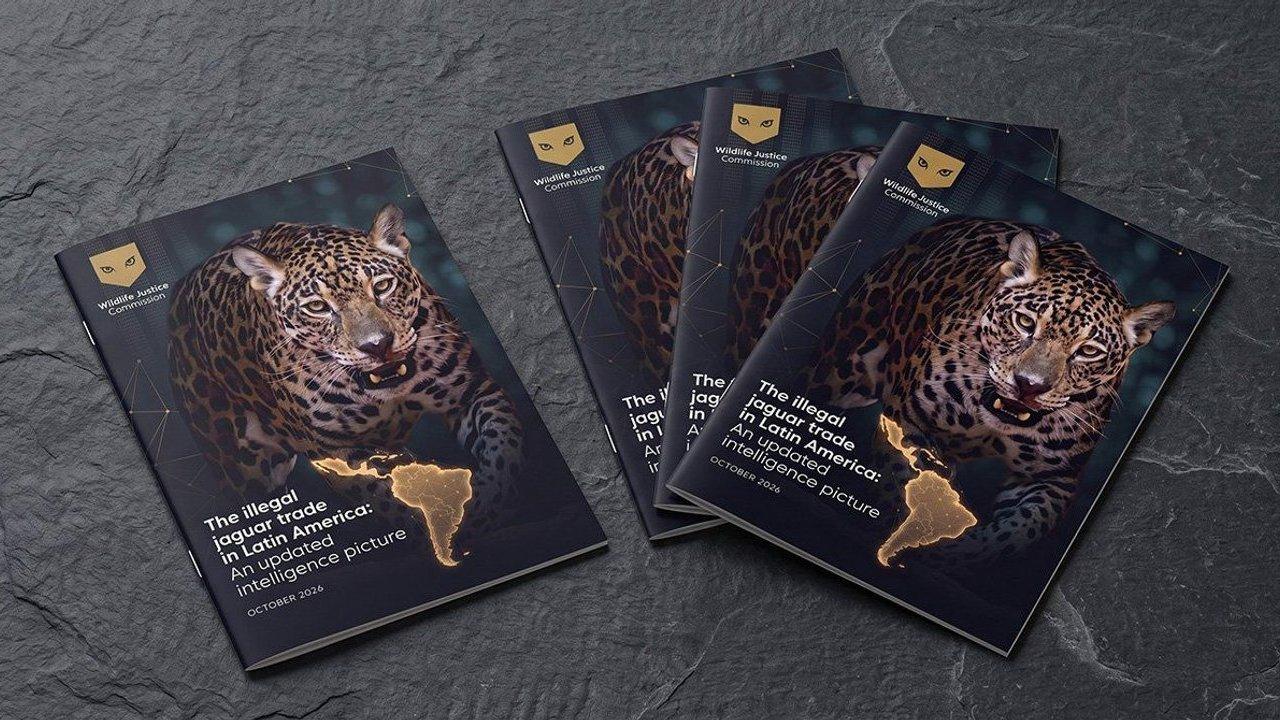
The illegal jaguar trade in Latin America: An updated intelligence picture examines the trade in jaguars and their products across seven Latin American countries. The report is intended to assist law enforcement agencies, policymakers, researchers and conservation organisations with an updated assessment of the criminal dynamics involved.
The investigation offers a comparison with the Wildlife Justice Commission’s earlier work in Bolivia, allowing the organisation to examine whether enforcement activity has altered the way traders operate. Its findings indicate that illegal activity remains present, but the structure and visibility of the market have changed.
International trafficking appears to occur at lower levels than previously observed. Products specifically linked to Asian markets, including jaguar bone paste, have become increasingly difficult to source, while intelligence indicates that some traders have left the market as the risks of involvement have increased.
Pressure On Criminal Networks
The report concludes that much of the remaining illegal jaguar trade is opportunistic and small-scale, rather than being driven by sophisticated commercial trafficking networks. That distinction matters for enforcement agencies seeking to direct limited resources towards the criminal activity that poses the greatest risk to wildlife.
Continued action is also shaping criminal behaviour. Traders are operating more discreetly across much of the region, according to the investigation, suggesting that sustained law enforcement can reduce the profitability and accessibility of the trade.
Olivia Swaak-Goldman, Executive Director at Wildlife Justice Commission, said:
“This report tells a hopeful story. It shows that sustained law enforcement pressure is suppressing the illegal jaguar trade and driving criminals from the business.
Wildlife trafficking is not inevitable. When governments consistently target criminal networks, the trade becomes riskier, harder to operate, and less profitable for criminal enterprises. But this is not the time for complacency. Maintaining that pressure will be essential to ensure the illegal trade does not regain momentum and that jaguars remain protected in the wild”
Wild Populations Remain At Risk
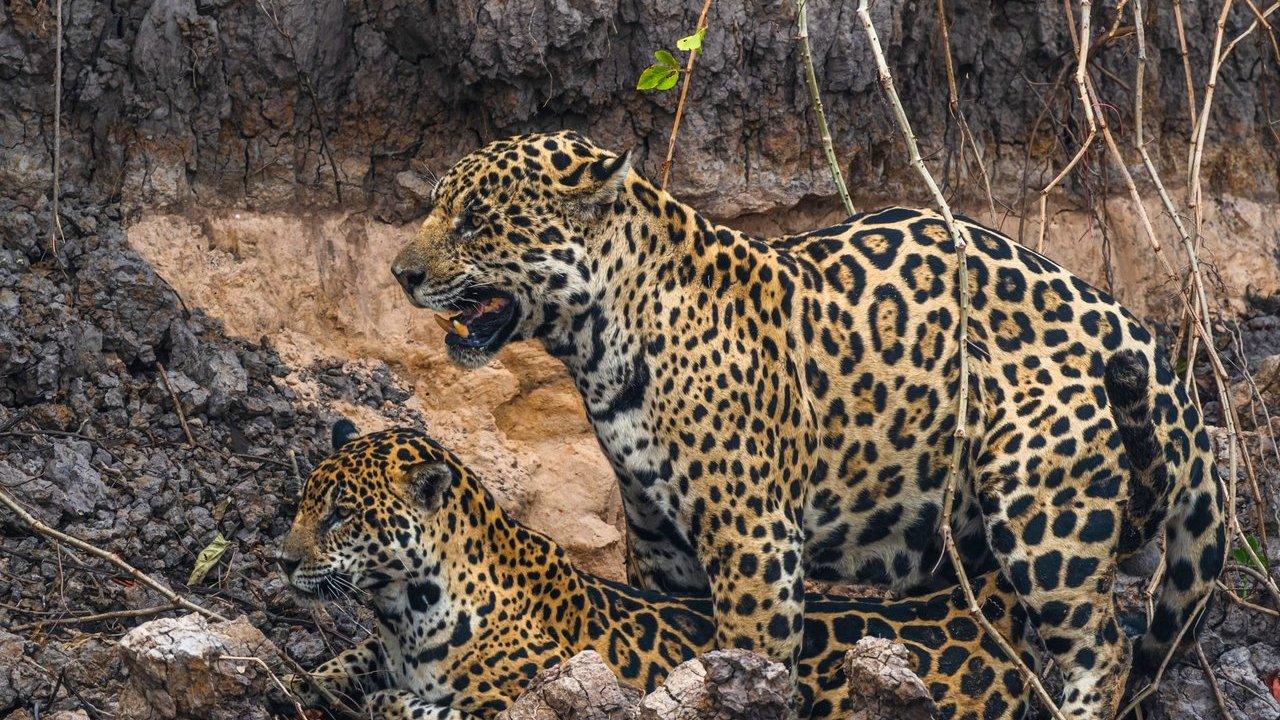
Despite the report’s evidence of disruption, Wildlife Justice Commission warns that illegal trade still carries serious conservation consequences. Every jaguar product identified during the investigation came from wild animals, with no evidence that captive breeding is supplying the illegal market in Latin America.
This finding places the protection of wild populations at the centre of the response. Each product traded represents pressure on animals in the wild, even where transactions are limited in scale or carried out through less visible channels.
The organisation identifies continued enforcement pressure, strong international cooperation and targeted action against criminal networks as necessary measures for safeguarding jaguars. Maintaining those efforts will be important if the trade is to remain difficult and unprofitable for those involved.
Resources For Regional Cooperation
The report provides an intelligence resource for organisations working on wildlife crime, conservation and public policy. It also makes the evidence available to audiences across the region and internationally, with full versions published in Spanish, Portuguese and Dutch.
An executive summary is also available in Chinese and Vietnamese. This wider access supports the report’s purpose of informing agencies, researchers and conservation organisations working to understand and address the trade.
Maintaining The Momentum
The Wildlife Justice Commission’s findings offer evidence that sustained enforcement can alter the conditions in which illegal wildlife trade operates. The reported reduction in visibility, access to products and international trafficking points to the value of consistent action against criminal networks.
At the same time, the report makes clear that disruption is not the same as elimination. Continued cooperation and targeted enforcement will determine whether the progress identified between 2023 and 2025 can protect wild jaguars over the longer term.