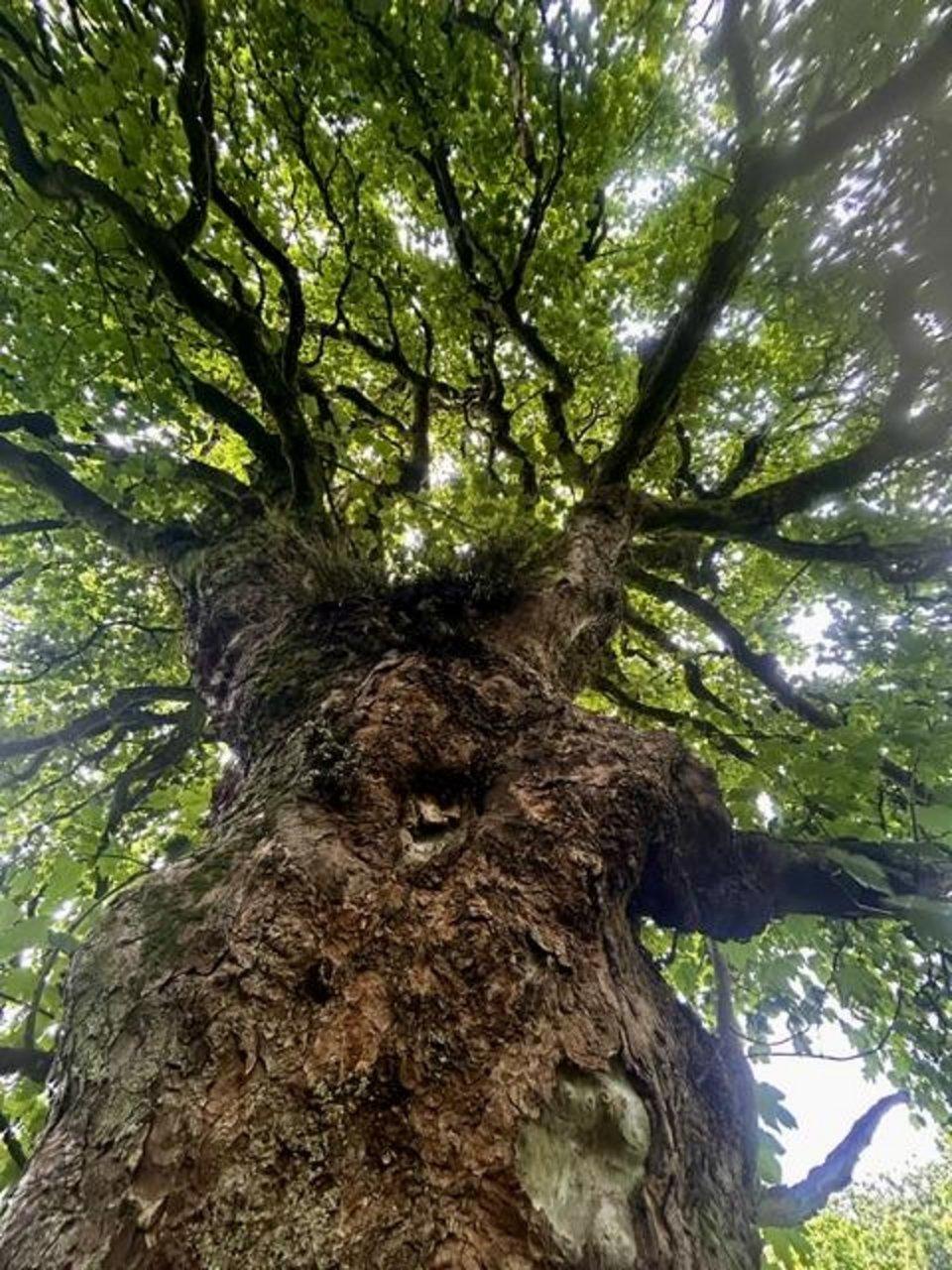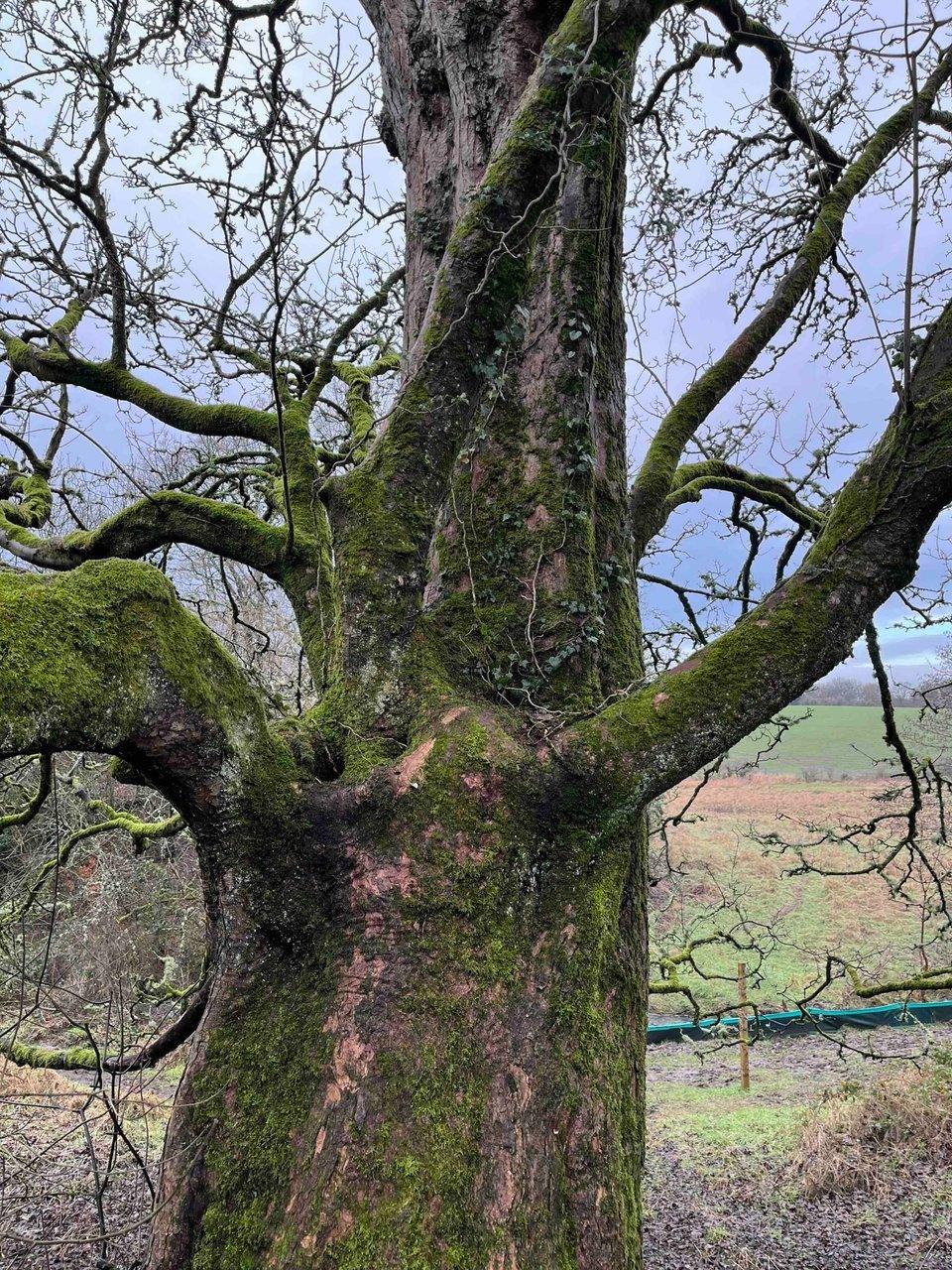
Protect Hollybush has appealed to Bellway Homes, Barratt Redrow and CALA Homes to protect the most environmentally significant area of Hollybush Woodland in Paisley before construction is expected to reach the site in September. The community campaign proposes an adjustment that it believes would retain the principal woodland area while allowing around 97% of approved homes at the Abercrombie Park development to proceed. Hollybush Woodland, on the former Dykebar Hospital site, contains around 20 veteran trees, including at least 12 listed on the Woodland Trust’s Ancient Tree Inventory. The proposal places a practical nature-protection option before the development partners as a decision point for the site approaches.
A Proposed Development Adjustment
Protect Hollybush has written to Jason Honeyman, Chief Executive of Bellway, David Thomas, Chief Executive of Barratt Redrow, senior leadership at CALA and Bellway Group Head of Sustainability Simon Park. The group is seeking urgent discussions on the future of the woodland, which sits within the Abercrombie Park residential development.
Independent ecological advice obtained by the campaign suggests that retaining the main area of Hollybush could require an adjustment equivalent to approximately a 1% reduction in homes for each of the three development partners. On the campaign’s assessment, this would leave around 97% of approved homes able to be delivered.
A spokesperson for Protect Hollybush said:
“This isn’t a choice between housing and woodland. We believe there is a practical compromise that could allow around 97% of the approved homes to go ahead while protecting the most environmentally significant part of Hollybush.
“We are asking three major housebuilders whether they are willing to make what could amount to around a 1% adjustment each to save something that has taken centuries to develop.
Veteran Trees At Risk
The woodland includes long-established riparian woodland bordering a watercourse, alongside its veteran trees. These mature trees support habitats for birds, mammals, insects, fungi and other wildlife, with ecological features that can take centuries to form.
The campaign’s focus is not on preventing all development at Abercrombie Park, but on retaining the area it identifies as environmentally significant. It argues that replacement planting cannot replicate the habitats associated with established veteran trees within a comparable timeframe.
A spokesperson for Protect Hollybush stated:
“These companies have all made public commitments around sustainability, biodiversity and protecting or enhancing the natural environment. Hollybush gives them an opportunity to demonstrate what those commitments mean when a difficult decision has to be made on the ground.
Published Environmental Commitments
The campaign has positioned its proposal alongside the environmental commitments published by the three housebuilders. Bellway’s environmental policy recognises the company’s responsibility to protect the environment, including commitments on ecosystems and local habitats.
Barratt Redrow identifies nature as one of three key areas in its sustainability strategy and commits to protecting and enhancing the natural world. CALA has also published commitments on wildlife and biodiversity across its developments. For Protect Hollybush, the site offers a clear test of how such commitments can be applied within an active residential scheme.
A spokesperson for Protect Hollybush shared:
“We believe there is still an opportunity for Abercrombie Park to become a positive example of developers and a community working together rather than another case where development and nature are presented as opposing choices.”
Funding Independent Expertise
Alongside its direct engagement with the housebuilders, Protect Hollybush has contacted MSPs and asked them to support calls for an urgent meeting before work reaches the woodland. The group has also launched a public Crowdfunder to support the next stage of its work.
Funds raised are intended to cover independent ecological expertise, planning advice, community engagement, campaign materials and other campaign costs. The group is seeking to establish a practical route to protection while decisions can still influence the woodland’s future.
The campaign has also raised the prospect of stewardship by Protect Hollybush Community Group if developers agree to retain the area outside the development footprint and transfer it for permanent protection.
A spokesperson for Protect Hollybush reflected:
“We don’t simply want to tell the developers what we don’t want. We are trying to put practical solutions on the table.
“If this part of Hollybush could be protected, we would be prepared to explore what would be needed for the community group to take responsibility for its future stewardship.
A Narrow Window For Dialogue
With construction expected to reach the woodland in September, Protect Hollybush is pressing for discussions between developers, elected representatives and the community in the coming weeks. Its proposal seeks to pair housing delivery with the retention of mature ecological assets, offering a constructive model for resolving a local planning issue without presenting homes and habitat as irreconcilable priorities.
A spokesperson for Protect Hollybush said:
“But time is running out. With work expected to reach the woodland in September, the coming weeks could represent our last realistic opportunity to bring everyone around the table before irreversible damage is done.
“We’re asking the developers and our elected representatives to help make that conversation happen.”