Fabweld Steel Products (FSP) Drives Green Innovation for Sustainable Growth
As industries worldwide grapple with the urgent need to reduce carbon emissions and enhance sustainability, Fabweld Steel Products (FSP), a leading steel fabrication company, is making significant strides towards greener operations. With key investments in cutting-edge technology at its Telford base, FSP is positioning itself as a frontrunner in sustainable manufacturing and supply chain management.
Pioneering Green Solutions in Steel Fabrication
Steel fabrication is traditionally an energy-intensive process, particularly when utilizing laser-powered steel cutting technology. Recognizing the environmental and financial costs of its operations, FSP has committed to a sustainability-driven transformation. The company’s ambitious Net Zero roadmap focuses on reducing energy consumption, increasing renewable energy use, cutting emissions, and enhancing waste management.
In 2024, two major investments have marked a turning point in FSP’s sustainability strategy. A state-of-the-art nitrogen generator and an upgraded laser cutting system are not only reducing environmental impact but also driving business growth.
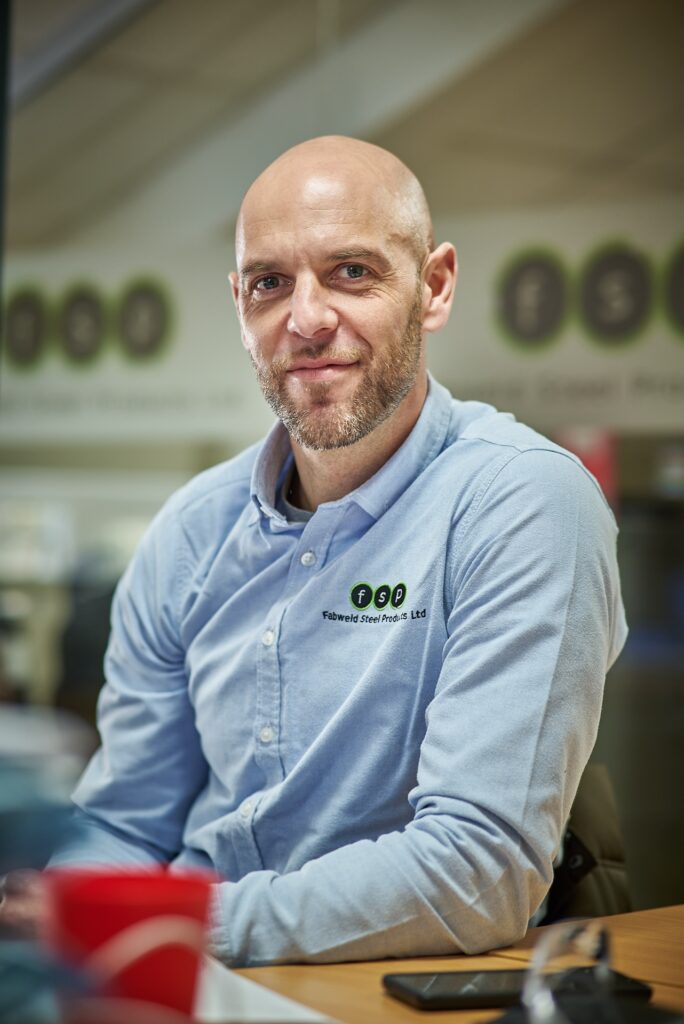
Managing Director Wayne Carter explains: “Before we invested in the nitrogen generator, it took about 40 lorry journeys from Oxford each year to keep us supplied with the gas we need. Generating our own nitrogen, using electricity generated by our onsite solar PV system, has been a win-win – fewer lorry journeys and a big reduction in our electricity bills, both of which play a huge part in our journey to Net Zero.”
Scaling Up Production with Energy Efficiency
FSP’s commitment to sustainability goes hand in hand with its ambitious growth strategy. The installation of a 15kW Accurl Fibre Laser in October 2024 has significantly boosted the company’s production capacity, enabling it to scale operations efficiently while minimizing waste and energy consumption.
Carter notes: “Replacing our old laser with an upgraded 15kW Accurl Fibre Laser in October has greatly increased our production capacity and capability. It is a realistic aim that we will increase sales by 75 per cent within the next five years. We won’t be stopping there though, and any opportunity we identify to improve our environmental credentials while also boosting production and sales will be investigated.”
A Call for Policy Support in Green Technology
While FSP’s initiatives demonstrate the feasibility of greener industrial operations, Carter emphasizes the need for broader governmental support to accelerate industry-wide sustainability efforts. The UK’s November Budget, which placed a strong emphasis on skills and training investment, is a step in the right direction. However, Carter believes that more assistance is needed to help businesses transition to greener technologies.
“As a country, we must be forward-looking. We can’t afford to keep doing the same things over and over – we see the devastating effects of climate change every day on the news, with previously ‘safe’ areas all over the world suffering horrific floods, drought, and biodiversity loss,” Carter asserts. “The improvements we at FSP have made might seem small when you look at the bigger picture, but they are achievable and have made a tangible difference to our costs and potential for growth, as well as our carbon footprint. If all businesses made just a few small changes, the overall impact would be huge.”
Carter also underscores the financial challenges of sustainability transitions, advocating for increased incentives and grants for businesses looking to adopt green solutions. “These changes need an initial capital outlay though, so it would be good to see even more support offered to businesses wanting to improve their own environmental challenges.”
Sustainable Growth and Workforce Development
Looking to the future, FSP is not only focusing on its environmental impact but also on workforce expansion to support its anticipated growth. The company plans to strengthen its apprenticeship programs, recognizing the importance of nurturing local talent for long-term sustainability.
“I am very proud that a significant number of our employees – including me – started their careers as apprentices, and we will continue to use apprenticeship schemes to make sure we nurture the local talent we will need in the future,” says Carter.
FSP’s commitment to sustainability, technological innovation, and workforce development exemplifies how manufacturing companies can align profitability with environmental responsibility. By integrating green initiatives into its core operations, FSP is paving the way for a more sustainable and resilient industrial sector.
For more information about Fabweld Steel Products, visit www.fsp.co.uk.