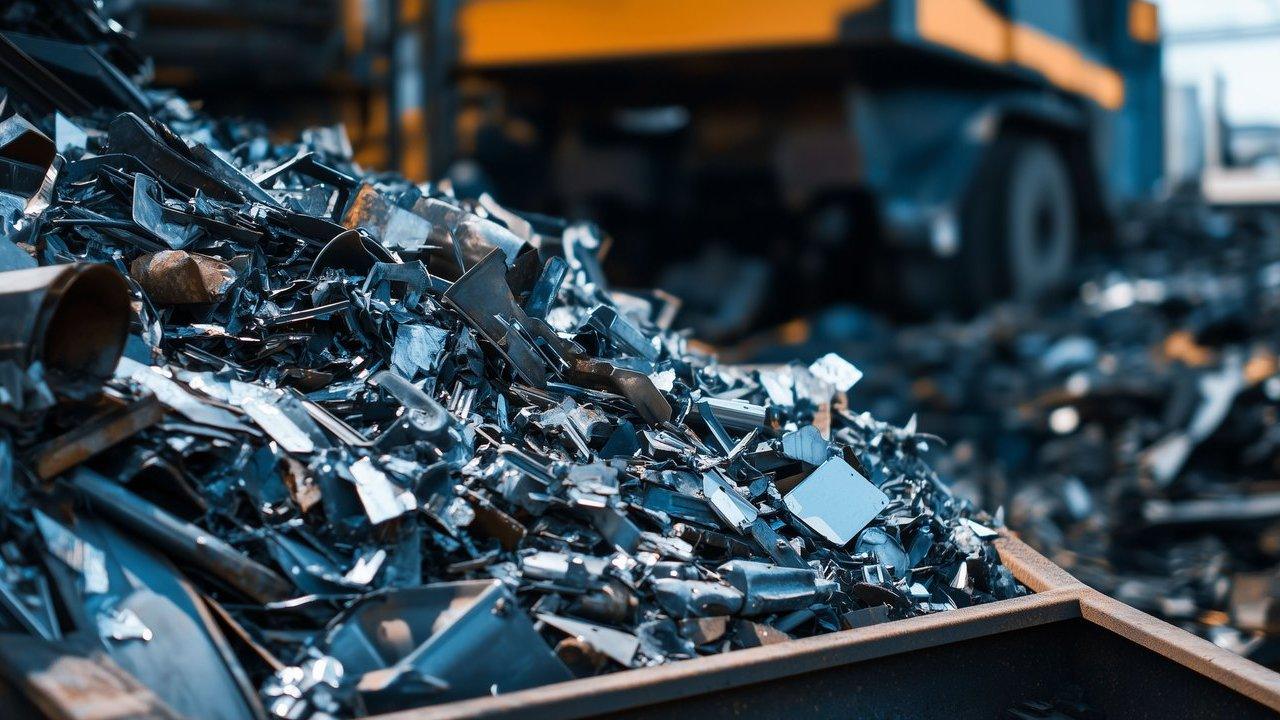
Coventry University is developing research intended to turn recycled steel, aluminium and end-of-life products into high-value materials for aerospace, automotive and construction applications. Through its Research Centre for Manufacturing and Materials, the university is working with government and industrial partners on a portfolio worth more than £6m. The work focuses on reducing uncertainty around recycled material quality while supporting lower-carbon production routes and UK manufacturing supply chains. Its projects span direct steel repurposing, vehicle recovery and data-led scrap processing, showing how circular materials can meet demanding engineering requirements.
Value Beyond Scrap
Metal recycling already forms an important part of manufacturing, yet advanced applications often require detailed knowledge of chemical composition, component integrity and processing history. Coventry University’s research seeks to make those characteristics clearer, allowing recovered materials to be considered for uses with increasingly exacting specifications.
The programme brings together advanced laser technology, materials testing, standards interrogation, advanced disassembly, material processing and digital modelling. This combination is designed to assess waste materials and identify the most suitable environmental and economic applications for them.
Stephen Spooner, Professor of Sustainable Manufacturing at Coventry University, said:
“Our portfolio of projects look at how we can unlock even greater value from recycled materials and end-of-life goods, opening up new opportunities for their use in manufacturing.
“What we’re trying to do is characterise the material and products to reduce the risk and uncertainty of their use, so companies are more confident in using them.
“We’re also trying to capture a more complete picture of what’s in the material, components and complex portfolio of products we see reaching end-of-life, so we can use them in their most valuable applications both environmentally and economically.”
Projects Across The Supply Chain
One project, Direct Repurposing of End-of-Life Strip Steels: Technical, Economic and Environmental Viability, explores how much global steel demand could be met by recovering and processing existing steel products. Funded through a Nigerian Government scholarship, the research examines routes that avoid the high-energy, high-carbon melting stage associated with scrap-based production.
The SCRAPPY project, an Engineering and Physical Sciences Research Council SUSTAIN steel research hub technology transfer project, has piloted recovery of ultra-high-purity scrap from end-of-life automotive sources. Its focus on material quality and flexibility points to more specialised uses for recovered steel.
A separate Coventry University Scholarship project considers circular economy outcomes for UK and EU end-of-life passenger vehicles. It uses a systems-based, combinatorial approach to examine the scientific and economic relationship between recovering, remanufacturing, refurbishing and recycling vehicle parts and materials.
Data Led Materials Production
The Data-Driven Control and Valorisation of Scrap Steel and Aluminium project, known as DCVS, takes a collaborative supply-chain approach to scrap-based advanced material production. Funded by the EPSRC and industry as part of the National Materials Innovation Program UKRI grant, it has a four-year plan to develop an end-to-end efficiency model.
DCVS combines advanced sortation methods, digital twins and complex process and optimisation models. The aim is to improve understanding of how scrap is produced and used, while identifying opportunities to make recovered steel and aluminium more reliable inputs for advanced manufacturing.
Such work is timely as low-carbon materials become increasingly important to future propulsion technologies and modern construction methods. Coventry University’s programme connects material characterisation with industrial needs, seeking to retain more value from end-of-life goods within domestic supply chains.
Energy And Industrial Opportunity
Recycling metals can require substantially less energy than producing them from raw materials. Professor Spooner estimates potential energy savings of up to 60% for steel and 85 to 90% for aluminium semi-finished products, making effective recovery and processing an important consideration for industrial decarbonisation.
The research also carries relevance for the discussion surrounding COP31 and the wider transition to lower-carbon industry. Rather than treating end-of-life materials as a final stage, the projects examine how they can become dependable raw materials for new manufacturing cycles.
With input from six UK universities and more than 20 industrial partners, the portfolio also creates research opportunities for undergraduate and postgraduate students. Coventry University’s work offers a practical route towards stronger material recovery, more informed manufacturing decisions and higher-value uses for recycled metals.