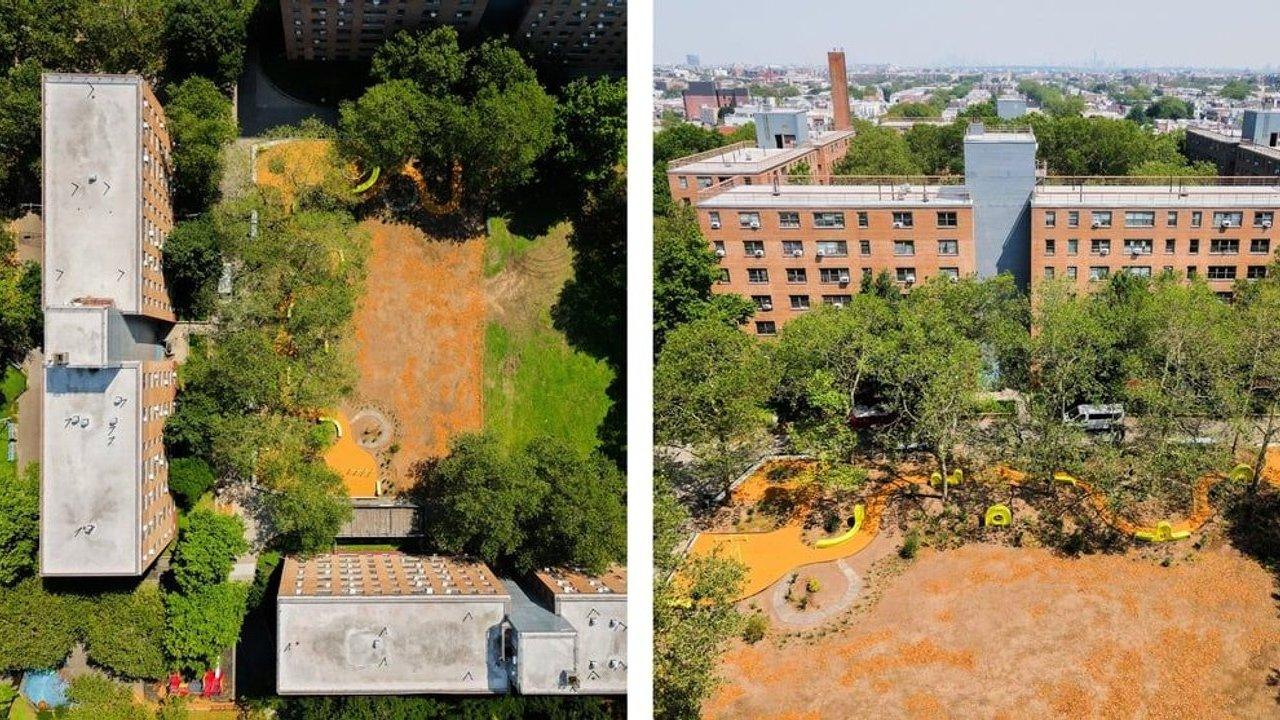
New York City’s commercial and residential buildings are undergoing a massive green transformation. From LEED-certified office towers to eco-conscious retail spaces, sustainable construction materials have become the standard rather than the exception. Bamboo flooring, recycled rubber surfaces, polished concrete, and cork tiles now grace lobbies, restaurants, and apartment buildings across all five boroughs. While these materials offer impressive environmental benefits, reduced carbon footprints, renewable sourcing, and improved indoor air quality, they also introduce new questions about pedestrian safety. As businesses and property owners rush to meet sustainability goals, the slip resistance and long-term performance of these innovative surfaces deserve closer examination.
The Rise of Sustainable Flooring in NYC’s Built Environment
New York City’s Climate Mobilization Act and Local Law 97 have accelerated the adoption of green building materials. Property developers and building managers now prioritize materials with Environmental Product Declarations and Health Product Declarations. Bamboo has emerged as a popular alternative to traditional hardwood, growing to maturity in just three to five years compared to decades for oak or maple. Recycled rubber flooring, made from reclaimed tires, appears frequently in fitness centers and high-traffic commercial areas. Cork, harvested from renewable tree bark, provides natural antimicrobial properties alongside thermal insulation. These materials align perfectly with ESG reporting requirements and sustainability certifications that major corporations now demand from their real estate portfolios.
Traction Performance: How Green Materials Compare to Traditional Surfaces
The coefficient of friction, the measurement that determines slip resistance, varies significantly among eco-friendly flooring options. The Occupational Safety and Health Administration recommends a minimum coefficient of friction of 0.5 for walking surfaces to prevent slips and falls. Bamboo flooring, when properly finished and maintained, typically achieves COF ratings between 0.5 and 0.7 in dry conditions. However, these ratings can drop dramatically when wet, particularly with certain eco-friendly sealants that prioritize low-VOC formulations over grip performance. Cork naturally provides excellent traction due to its cellular structure, often exceeding 0.6 COF even when damp. Polished concrete, increasingly popular in modern sustainable design, presents more complex safety considerations. While aesthetically striking and environmentally responsible, highly polished concrete can register COF values as low as 0.3 when wet, well below safety thresholds.
Maintenance Challenges and Evolving Safety Standards
Sustainable flooring materials often require specialized maintenance protocols that differ significantly from traditional surfaces. Many eco-friendly sealants and cleaning products, chosen for their reduced environmental impact, may not provide the same anti-slip properties as conventional treatments. Building maintenance staff accustomed to traditional flooring care may inadvertently create hazardous conditions by applying inappropriate cleaning solutions. The American National Standards Institute has updated its safety standards for walking surfaces to address these emerging materials, but implementation across New York’s diverse building stock remains inconsistent. When slip and fall accidents occur on these surfaces, determining liability becomes more complex, involving questions about material selection, installation quality, maintenance procedures, and whether property owners adequately addressed foreseeable risks. Consulting a professional injury representation in New York can help clarify these liability issues when injuries occur.
Weather Interactions: Sustainable Materials in NYC’s Climate
New York’s weather extremes test the performance of any flooring material. Eco-friendly surfaces face particular challenges during the city’s humid summers and wet winters. Bamboo and cork both react to moisture fluctuations, expanding and contracting with humidity changes. This movement can create uneven surfaces or gaps where water accumulates, creating slip hazards. Recycled rubber performs well in wet conditions but can become slippery when coated with the fine particulate matter common in urban environments. Entrance areas present the highest risk, where foot traffic brings in rain, snow, and ice. Property managers must balance sustainability commitments with safety obligations, often requiring strategic material selection using high-traction options in entrance zones while deploying more aesthetically focused sustainable materials in protected interior spaces.
Balancing Innovation with Occupant Safety
The shift toward sustainable construction represents necessary progress in addressing climate change and resource conservation. Yet this transition requires equal attention to human safety. Building codes and industry standards continue evolving to address the unique characteristics of green materials. Property owners implementing eco-friendly flooring should conduct regular traction testing, especially after refinishing or in high-traffic areas. Transparency about material properties and maintenance requirements should inform purchasing decisions alongside environmental metrics. As New York City continues leading the nation in sustainable building practices, the construction industry must ensure that environmental responsibility and pedestrian safety advance together rather than in tension.