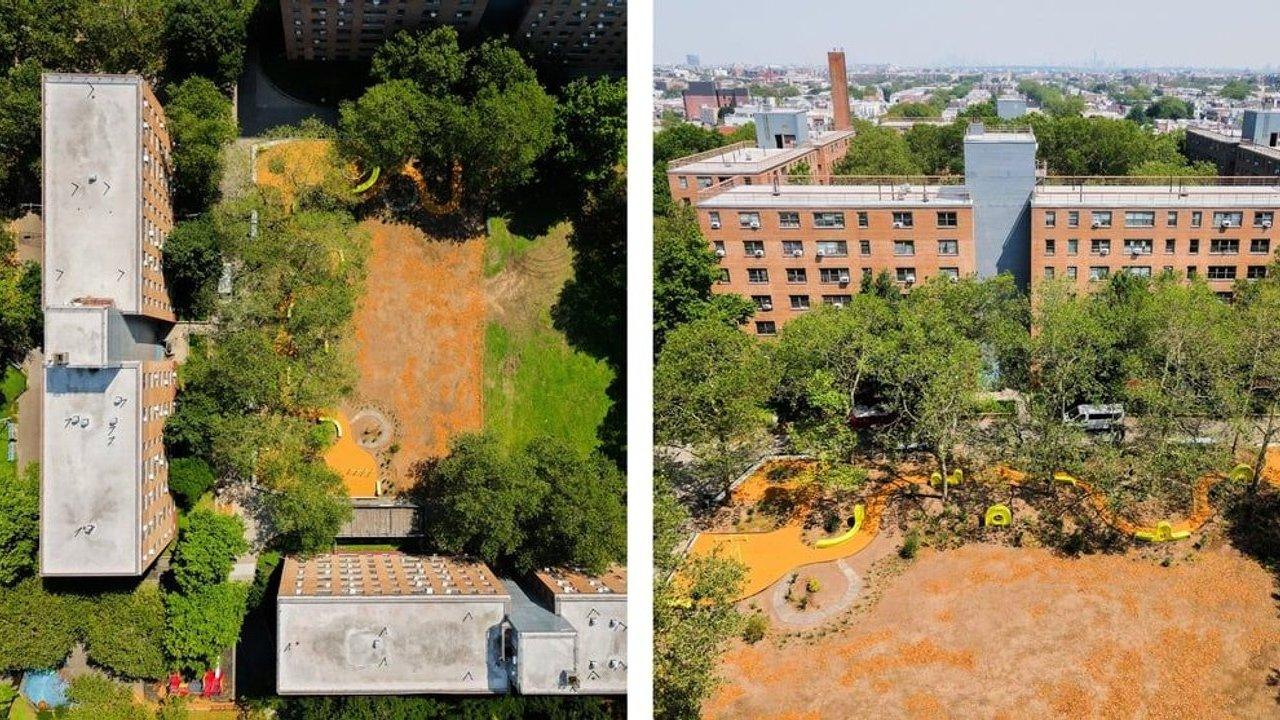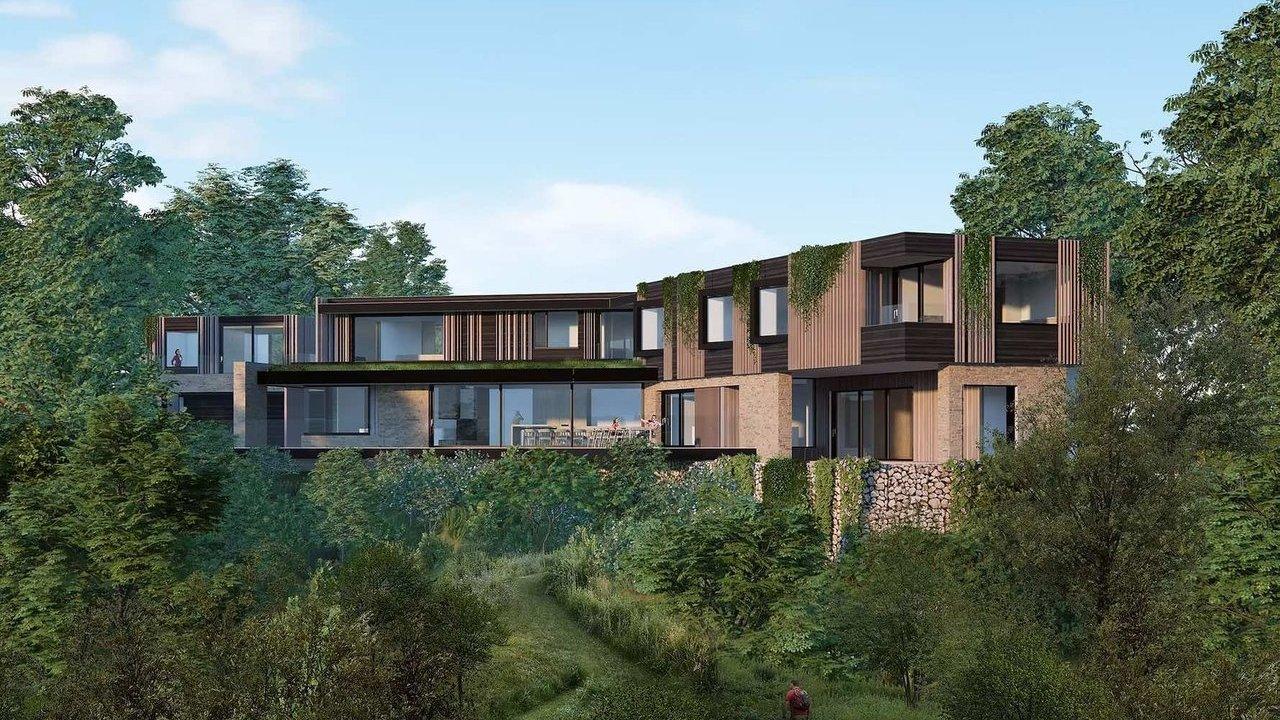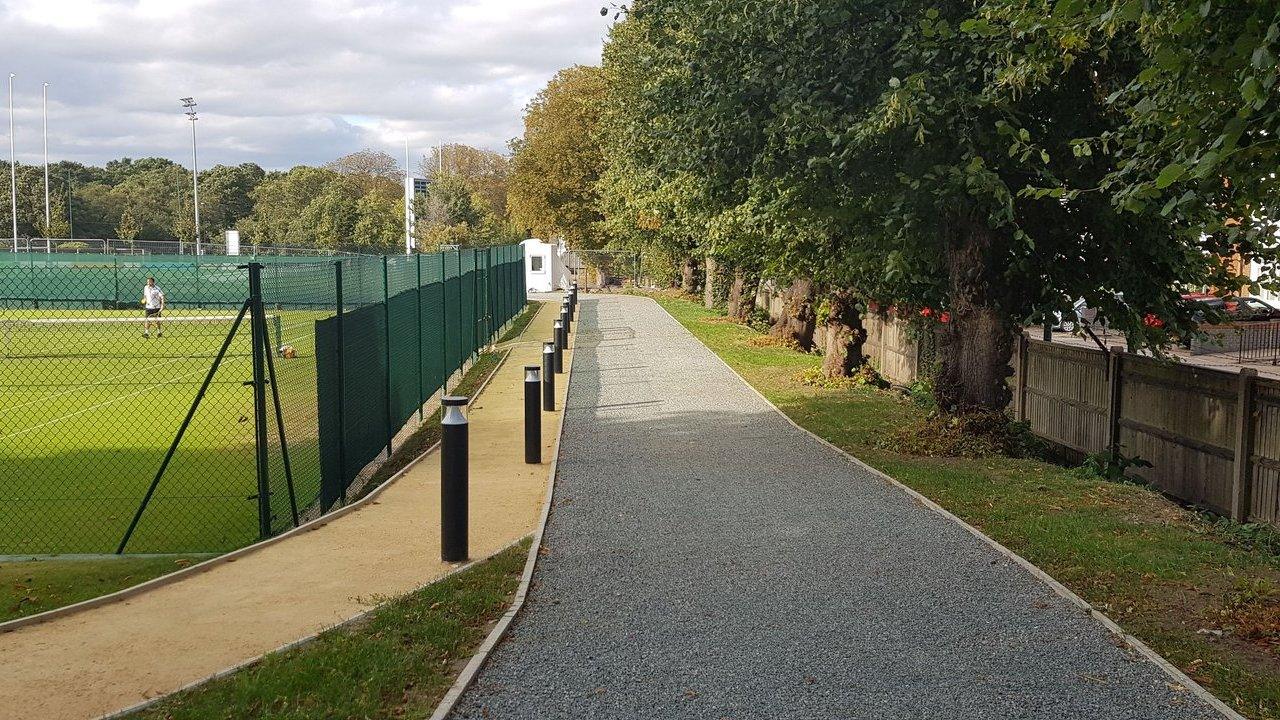
LUC has supported Sport England to produce updated guidance on delivering Biodiversity Net Gain across playing fields while safeguarding their current and future sporting use. The resource is aimed at sports clubs, schools, local authorities and developers working on sports and leisure sites in England. It addresses the requirement for most developments to deliver at least a 10 per cent increase in biodiversity, while recognising the practical demands placed on pitches and facilities. The guidance sets out how nature improvements can be planned without reducing sporting capacity or limiting future changes to a site.
Balancing Nature And Sport
Mandatory Biodiversity Net Gain was introduced under the Environment Act 2021. For playing fields, the requirement brings a particular set of planning considerations. Pitches may need to be moved, rotated or enlarged over time, and proposals also need to account for safety, drainage and ongoing maintenance.
The new guidance addresses the risk that poorly located biodiversity measures could restrict space for sport, future expansion or reconfiguration. Its purpose is to help applicants account for both environmental improvement and the long-term function of sports sites from the outset.
Jacqueline Whitworth-Allan, Associate Director of Landscape Architecture at LUC, said:
“Biodiversity Net Gain presents a significant opportunity to make sports sites richer, more resilient environments, but it needs to be delivered in a way that recognises how those sites actually work.
Practical Steps For Applicants
Commissioned by Sport England, the resource translates BNG legislation and policy into advice for sports sites. It provides a step-by-step route through site selection, consultation, establishing a biodiversity baseline, planning, legal securement and long-term monitoring.
That sequence is intended to give applicants a clear basis for considering biodiversity alongside the operational needs of a facility. The guidance draws on the experience of stakeholders involved in planning, designing and managing sports sites, including lessons on avoiding common mistakes.
These include planting too close to sports facilities and committing land to long-term biodiversity management when it may later be needed for sports development. The guidance places emphasis on considering biodiversity at the earliest stages of planning and design, when there is greater scope to align land use decisions with the future needs of a site.
Jacqueline Whitworth-Allan, Associate Director of Landscape Architecture at LUC, stated:
“Playing fields are not static spaces. Pitches may need to be rotated, repositioned or expanded over time, while safety, drainage and maintenance all need to be considered. A biodiversity intervention that looks positive today can create problems in future if those requirements are not factored in.
Making Space For Biodiversity
A central principle is to direct BNG measures towards parts of a site that are unlikely to be needed for present or future sporting activity. The guidance identifies site boundaries, fringe spaces, steep or difficult terrain, entrances and car parks as potential locations for these measures.

Suitable interventions can include native planting, wildflower habitats, Sustainable Drainage Systems, rain gardens and, where appropriate, green roofs and walls. This approach gives applicants a practical way to improve habitat while retaining flexibility across areas required for pitches, courts and other sporting provision.
The inclusion of drainage-related measures reflects the overlap between biodiversity planning and the practical operation of sports sites. By taking account of how facilities are used, maintained and potentially adapted, applicants can make informed choices about where environmental measures are likely to remain appropriate over time.
Early Planning Creates Options
The guidance positions early consideration as the point at which nature and sport can be planned together most effectively. Rather than treating BNG as a late addition, applicants are encouraged to identify opportunities before land is committed to particular uses or designs are fixed.
This is especially relevant for sites where sporting demand may change. Playing fields need to remain capable of responding to future requirements, and the guidance is designed to help prevent biodiversity commitments from unintentionally constraining that capacity.
Jacqueline Whitworth-Allan, Associate Director of Landscape Architecture at LUC, shared:
“Our work with Sport England has focused on turning policy into practical guidance – helping applicants identify where biodiversity measures can deliver the greatest benefit without limiting sporting capacity. By considering BNG early, there is a real opportunity for nature and sport to work alongside one another rather than compete for space.”
A Framework For Lasting Use
For sports clubs, schools, local authorities and developers, the resource offers a focused framework for handling a statutory biodiversity requirement within the realities of sporting land. Its value lies in bringing ecological measures, site management and future sporting use into the same planning conversation.
LUC’s work with Sport England shows how guidance can help applicants make space for habitats without losing sight of the purpose of a playing field. The result is a practical route for projects seeking biodiversity gains that can sit alongside active, adaptable sports facilities.