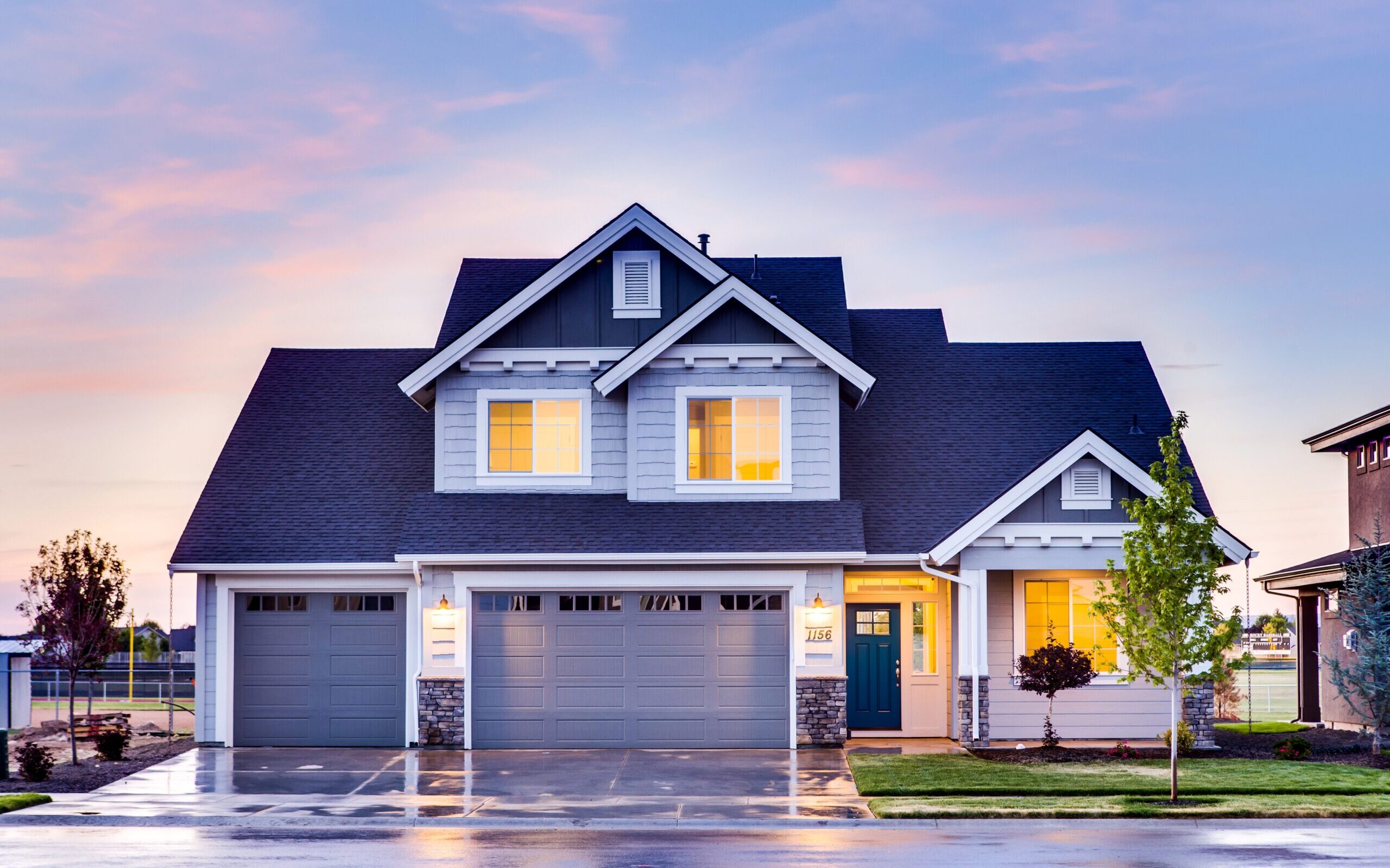
When homeowners think about going smart, the list usually starts with thermostats, video doorbells and voice-controlled lighting. Solar rarely makes the cut, mostly because it gets filed under home improvement instead of smart living. That’s a mistake. A modern solar system paired with monitoring software is arguably one of the smartest upgrades a home can get, since it’s constantly adjusting, tracking and reporting on something every other smart device in the house is quietly draining.
It Talks to the Rest of Your Smart Home
Newer solar systems don’t just generate power, they communicate. Most come with an app that shows real-time production and usage, and many can be set up to prioritise charging an EV, running a heat pump, or topping off a home battery during the sunniest part of the day. That’s the same logic behind every other smart device in the house, using data to make a decision automatically instead of leaving it to guesswork.
It Fits Into a Bigger Property Strategy
Solar isn’t just a utility upgrade, it’s increasingly part of how homeowners think about property strategy more broadly. A home that generates and stores its own power is a different asset than one that doesn’t, particularly as buyers start asking about energy resilience the same way they ask about a roof’s age or a furnace’s efficiency rating.
“We get calls from people who already have a full smart home setup and are shocked they waited this long to add solar. Once you’re used to a house that manages itself, not generating your own power starts to feel like the one thing you never automated, “said Andrew Hoesly, General Manager at SolarTech.
A few basics make the difference between a smart setup and a frustrating one. First, confirm your roof’s orientation and shading actually support solar before you fall in love with any particular system. Second, ask specifically about monitoring, since a system you can’t see data from isn’t really smart, it’s just quiet. Third, think about where a battery would physically go if you add one later, even if you’re not installing one now. Planning that space early saves a retrofit headache down the line, the same way planning ahead for general maintenance access saves homeowners from awkward surprises with any home system.
Solar won’t feel like a gadget the way a smart speaker does. It works quietly in the background, which is exactly the point. But if the goal of a smart home is a house that manages itself a little more every year, it’s hard to make the case for skipping the one upgrade that’s actually generating the power everything else runs on.
Looking for a solar installer?
Compare MCS-certified solar panel installers across the UK in our directory, with ratings, reviews and free quotes, listed by county.
Related solar guides: